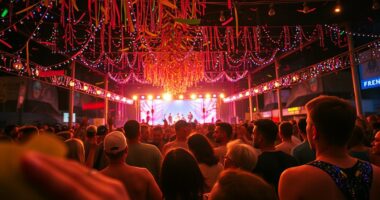
To capture large stages effectively, use smooth camera movements like sweeping shots and dynamic panning to showcase energy and scale. Balance wide shots that display the whole scene with close-ups of performers and crowd reactions to add intimacy. Frame performers centered during key moments and include audience shots to convey excitement. Keep natural lighting in mind, and switch angles for fresh perspectives. If you keep these tips in mind, you’ll discover even more ways to elevate your festival footage.

Get movie nights delivered free with Prime
- Fast, free delivery on millions of items
- Prime Video, Amazon Music and more included
- Member-only deals all year
Key Takeaways
- Use wide shots to capture the scale of the stage and audience, establishing the festival environment.
- Incorporate sweeping and panning camera movements to convey energy and dynamic stage presence.
- Maintain balanced framing between performers and crowd to showcase interaction and festival atmosphere.
- Use zoom-ins on key moments, like performances or crowd reactions, for intimacy and emotional impact.
- Transition smoothly between shots to highlight stage design, lighting, and audience engagement for visual flow.
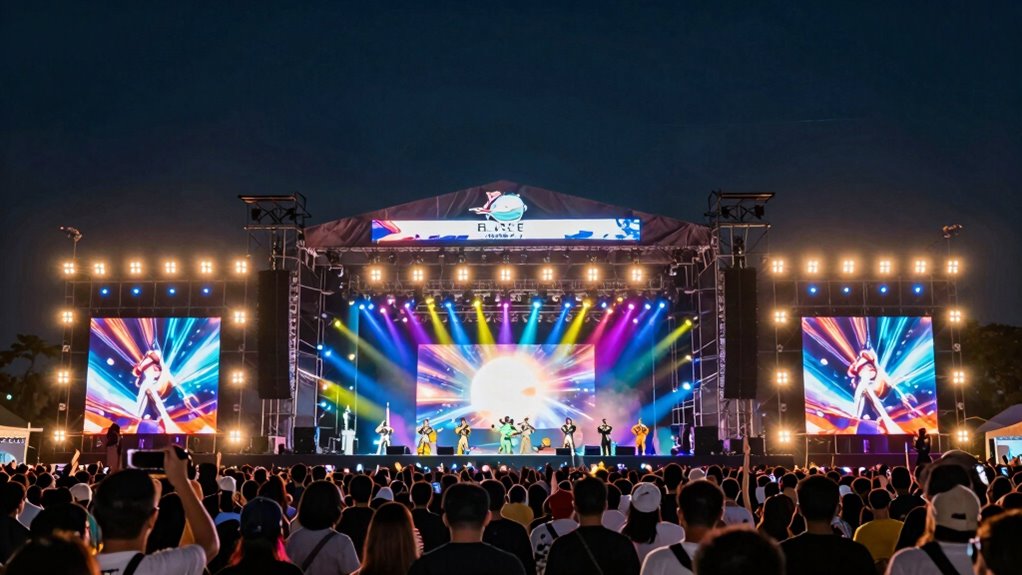
When filming festivals on large stages, getting the right video framing is essential to capturing the energy and scale of the event. Your goal is to create visuals that draw viewers in and make them feel like they’re right there in the crowd. To do this, you need to focus on audience engagement through strategic camera work. Think beyond simply pointing and shooting; instead, plan how your camera movement can enhance the viewer’s experience. Smooth, deliberate camera movement helps convey the excitement of the festival, whether that’s sweeping across the stage or zooming in on performers. These movements can build anticipation, highlight key moments, and keep viewers engaged throughout the performance.
One of your main priorities should be maintaining a balance between wide shots and close-ups. Wide shots establish the scale of the event, showing the size of the stage and the crowd, which immediately immerses viewers into the festival atmosphere. As performers move, use dynamic camera movement—like slow pans or subtle tilts—to follow their actions. This keeps the visuals lively and prevents the footage from feeling static. When a band hits a powerful chorus or a DJ drops a beat, consider zooming in slightly to capture facial expressions and crowd reactions, creating a more intimate connection between the performers and the audience watching the video. Incorporating camera movement techniques can further enhance the storytelling by emphasizing key moments and maintaining viewer interest.
Your camera movement should serve to emphasize the energy rather than distract from it. Use fluid transitions to shift focus smoothly between different areas of the stage or crowd. For example, start with a wide shot of the audience, then pan to the stage, then zoom in for a tight shot of the lead singer. These movements guide viewers’ attention and make the video more engaging. Be mindful of pacing; quick, jittery movements can feel chaotic and diminish the sense of grandeur, while steady, well-planned motions enhance the experience. Additionally, understanding digital publishing trends can help you optimize your footage for various platforms, ensuring your content reaches a wider audience. Incorporating video framing techniques is also crucial for capturing the event’s scale and energy effectively. Paying attention to stage design and how it interacts with your framing can further elevate the quality of your footage. Moreover, considering the natural environment and lighting conditions can help you adapt your framing to highlight the best aspects of the stage setup. To further enhance your footage, experimenting with different camera angles can provide fresh perspectives and add visual interest to your recordings.
In addition to movement, framing should always consider the audience’s perspective. Keep the performers centered when capturing key moments, but don’t be afraid to incorporate the crowd into your shots. Audience reactions—cheering, dancing, singing along—are vital to conveying the festival’s energy. When you effectively combine camera movement with thoughtful framing, you create a compelling narrative that captures the spirit of the event and keeps viewers emotionally connected. Remember, your goal is to make them feel like they’re part of the festival, and smart camera work is your best tool to do that.
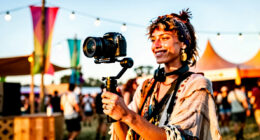
professional camera gimbal stabilizer
As an affiliate, we earn on qualifying purchases.
As an affiliate, we earn on qualifying purchases.
Frequently Asked Questions
How Do I Manage Battery Life During Long Festival Shoots?
To manage battery life during long festival shoots, focus on battery optimization and power management. Carry extra batteries and swap them out as needed, and keep your camera’s settings optimized—lower screen brightness and disable unnecessary features. Use power-saving modes when available, and turn off Wi-Fi or Bluetooth to conserve energy. Regularly monitor your battery levels to avoid unexpected shutdowns, ensuring you stay prepared for the entire shoot.
What Equipment Is Best for Capturing Audio on Large Stages?
Perfectly pick the best for capturing clear sound with wireless microphones and shotgun microphones. Wireless mics give you freedom to move and cover wide areas, while shotgun microphones focus on front-stage sounds, minimizing background noise. Use a high-quality wireless system for mobility and a shotgun mic on a boom or pole for focused audio. Combining these tools guarantees crisp, clear audio capture, even amidst the chaos of large festival stages.
How Do I Coordinate Multiple Cameras Effectively?
To coordinate multiple cameras effectively, plan your camera angles and shot composition in advance. Assign specific roles to each camera, such as wide shots or close-ups, and communicate your vision clearly. Use a reliable video switcher to seamlessly switch between feeds, and have a director oversee the shots. Regularly check camera framing and angles during the event to guarantee cohesive storytelling and dynamic visuals, keeping your audience engaged.
What Are Quick Troubleshooting Tips for Live Festival Footage?
Imagine your footage as a lively dance, and quick troubleshooting is your swift partner. When issues arise, check camera angles first—ensure they capture the energy without blocking views. Glitches? Restart the feed or swap cables like changing dance partners. Keep an eye on audio sync and exposure—these are your rhythm. Stay calm and act fast; your audience will stay engaged, feeling the pulse of every moment you capture.
How Do I Ensure Safety While Filming in Crowded Environments?
To guarantee safety while filming in crowded environments, you should prioritize personal safety and implement crowd control measures. Stay aware of your surroundings, keep a safe distance from dense groups, and avoid blocking exits or emergency routes. Use barriers or designated filming zones to manage crowd movement, and always have an escape route planned. Remember, maintaining awareness and respecting the crowd helps protect both you and your equipment.
As an affiliate, we earn on qualifying purchases.
Conclusion
As you focus on framing your festival videos, remember that sometimes the best shots come from unexpected moments—like catching the crowd’s genuine reactions or that perfect burst of sunlight. It’s almost like the stage itself conspires to give you stunning visuals. Trust your instincts, stay flexible, and embrace those spontaneous opportunities. After all, the magic of festivals often lies in these unplanned, fleeting details that turn simple footage into unforgettable memories.
As an affiliate, we earn on qualifying purchases.
As an affiliate, we earn on qualifying purchases.
Fall Picks
fall essentials
As an affiliate, we earn on qualifying purchases.