

In 2025, ticket resale rules focus on fairness and legality, so you should stay informed about local laws and platform policies. Use reputable marketplaces with verified sellers and real-time ticket validation features to avoid scams and counterfeit tickets. Keep records of your transactions and be cautious of offers that seem too good to be true. Understanding these regulations helps you stay safe and compliant—keep going to discover even more tips to navigate the market wisely.
Key Takeaways
- Verify local laws and regulations before reselling tickets to ensure legality in your area.
- Use reputable platforms with verified seller policies and real-time ticket validation features.
- Keep detailed records of transactions, receipts, and communications for proof of compliance.
- Adhere to platform-specific rules, including licensing or permit requirements for resale activities.
- Stay informed about regulatory updates and new policies to avoid scams and legal risks.

Are you prepared for the new ticket resale rules coming in 2025? As ticketing authorities tighten regulations to combat scalping and ensure fair access, understanding these changes is vital for staying legal and safe. One major focus is on scalping regulations, which aim to curb the practice of reselling tickets at inflated prices. These laws may restrict how much you can mark up tickets or even prohibit reselling altogether in certain areas. It’s essential to familiarize yourself with your local laws to avoid penalties or legal trouble. Additionally, online marketplace policies are evolving to better regulate ticket resales. Platforms like StubHub, SeatGeek, and others will implement stricter verification processes to prevent scalpers from flooding the market with inflated tickets. This could mean that only authorized resellers or verified accounts are allowed to list tickets, reducing the chances of encountering scams or counterfeit listings. As a buyer or seller, you need to pay close attention to these policies. If a platform doesn’t clearly state their rules or verification procedures, it’s a warning sign. You should always review the platform’s terms before making a transaction. Many online marketplaces are also introducing new features like real-time ticket validation, which helps confirm that tickets are legitimate before you purchase. This reduces the risk of falling victim to counterfeit tickets or deceptive listings. Being aware of these policies helps you stay compliant and avoid potential issues down the line. The new rules will likely include restrictions on reselling tickets for profit in certain regions and may require resellers to obtain licenses or permits. For you, this means that casual reselling might become more difficult or even illegal in some areas, and you’ll need to confirm whether your reselling activities are permitted under local laws. It’s also wise to keep records of your transactions, including receipts and communication with buyers or sellers. This documentation can be vital if you need to prove your compliance or resolve any disputes. As these regulations become more stringent, scammers and scammers also adapt, so stay cautious. Always use reputable platforms with clear policies, and avoid deals that seem too good to be true. Staying informed about these upcoming changes helps you navigate the resale market confidently, ensuring you’re not only compliant but also protected from fraud. Additionally, understanding the role of home improvement in creating organized spaces can help you store and manage tickets and event memorabilia more effectively, reducing clutter and stress. To conclude, understanding scalping regulations and online marketplace policies ahead of the 2025 rule changes is your best defense. By doing so, you’ll be better equipped to resell tickets legally, avoid scams, and enjoy events with peace of mind.
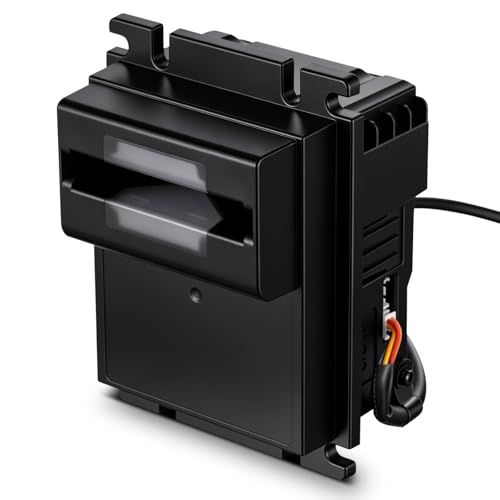
Tellegloww Pulse Bill Validator Acceptor, Us Dollar Banknote Validation Device for Cash Handling, Fast Recognition System for Vending Machines, Self Service Ticket Kiosks, Charging Stations
- Compact Multi-interface Design: Accepts various US dollar bills
- Space-saving Dimensions: Measures 5.3 x 3.7 x 3.1 inches
- Omnidirectional Insertion: Allows bills to be inserted from any direction
As an affiliate, we earn on qualifying purchases.
As an affiliate, we earn on qualifying purchases.
Frequently Asked Questions
Can I Resell Tickets on Social Media Platforms Legally?
Yes, you can resell tickets on social media platforms, but you need to be aware of resale legality. Always check the platform’s policies and local laws before listing your tickets. Some social media sites restrict or regulate resale activities to prevent fraud. To stay safe and legal, provide accurate ticket details, avoid price gouging, and use secure payment methods. This way, you safeguard yourself and ensure compliance with resale rules.
Are There Restrictions on Reselling Tickets for Virtual Events?
Yes, there are restrictions on reselling tickets for virtual events. Digital ticketing platforms often impose rules to prevent scalping and protect consumers, so you should check the event’s terms of service. Some virtual event restrictions include limits on transferability or resale, and certain platforms may prohibit reselling altogether. Always verify the specific policies of the digital ticketing provider to guarantee you’re reselling legally and safely.
What Are the Penalties for Illegal Ticket Reselling?
If you plunge into illegal ticket reselling, you risk sinking into serious penalties like hefty fines or even criminal charges. Ticket fraud paints a dark cloud over your efforts, and authorities crack down hard on those without resale licensing. Think of it as playing with fire—get caught, and you’ll get burned. Staying within the law guarantees your resale journey remains smooth sailing, protecting you from financial and legal storms.
How Do I Verify if a Resale Platform Is Compliant?
To verify if a resale platform is compliant, start by checking its platform licensing status; reputable sites will clearly display their licensing information. Next, review their user verification process to ensure they authenticate buyers and sellers, reducing fraud risks. Look for transparent policies and positive reviews. If these elements are in place, the platform is more likely to operate legally and safely, protecting you from potential scams or penalties.
Are There Specific Rules for Resale of Event Packages or VIP Passes?
Did you know that over 60% of event organizers restrict the resale of VIP passes? Yes, there are specific rules for resale of event packages and VIP passes. You must check the event’s specific regulations, as many platforms require authorization or limit resale to prevent fraud. Always verify event package regulations and adhere to VIP pass resale rules to stay legal and avoid penalties.

Raffle Tickets Roll, 50/50, White, 2000 Tickets per Roll Made in USA
- High-Quality Raffle Tickets: 2000 double stub tickets per roll
- Durable Perforations: Clean separation and smooth dispensing
- Bright Visibility: Easy to see at events
As an affiliate, we earn on qualifying purchases.
As an affiliate, we earn on qualifying purchases.
Conclusion
Staying informed about the ticket resale rules in 2025 helps you avoid legal trouble and guarantee a smooth buying experience. By following the guidelines and understanding your rights, you can confidently secure your spot at upcoming events. Isn’t it worth taking a few extra moments to verify legitimacy and avoid scams? Remember, when you stay within the boundaries of the law, you’re not just protecting yourself—you’re supporting fair and transparent ticketing practices for everyone.
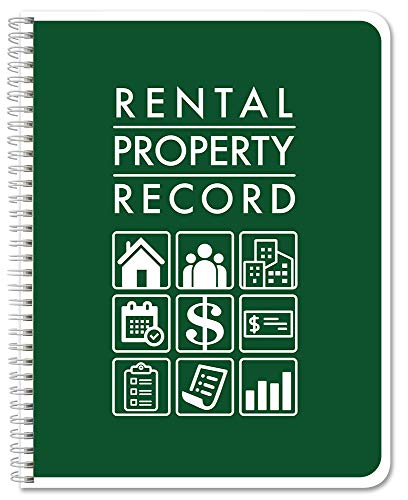
BookFactory Rental Property Record Book/Landlord Renter Record Keeping Log Book – Wire-O, 100 Pages, 8.5'' x 11'' (Made in USA)
- Tracking Tenant Information: Spaces for tenant details and rent info
- Property Management Capacity: Tracks 5 properties and 34 tenants
- Page and Size Details: 100 pages, Wire-O, 8.5 x 11 inches
As an affiliate, we earn on qualifying purchases.
As an affiliate, we earn on qualifying purchases.

PrintWorks Printable Raffle Tickets With Tear-Away Stubs for Events & Fundraisers – 1000 Custom Tickets (Size 2.75" x 8.5") – 4 per Sheet – 250 Sheets (8.5" x 11") – Made in the USA – White (04295)
- Ideal for various events: Fundraisers, auctions, giveaways, and more
- Easy customization: Use included templates for personalization
- Compatible with printers: Laser and inkjet friendly
As an affiliate, we earn on qualifying purchases.
As an affiliate, we earn on qualifying purchases.