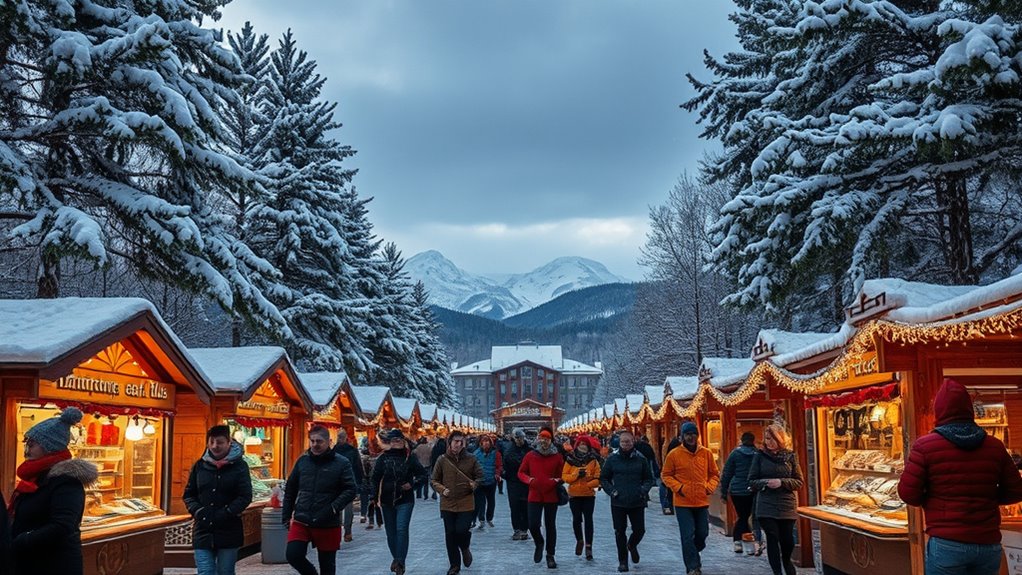

Climate change is making winter weather patterns less predictable, which impacts winter festivals. You can expect warmer temperatures, less consistent snow, and unpredictable cold snaps that can disrupt traditional festivities. Relying solely on natural snow and cold conditions becomes riskier, often leading event organizers to resort to artificial snow and flexible dates. To understand how these changes might affect your plans and the future of winter celebrations, keep exploring the latest trends and strategies.
Key Takeaways
- Rising global temperatures lead to less predictable snowfall and shorter winter seasons for festivals.
- Climate change causes unseasonal warm spells and irregular cold snaps, affecting festival planning.
- Dependence on artificial snow increases costs and can diminish the authentic winter experience.
- Variable snow cover impacts festival timing, attendance, and local winter tourism economies.
- Event organizers are adopting adaptive measures like snow-making and flexible scheduling to cope with changing conditions.

Winter festivals rely heavily on predictable cold weather and sufficient snowfall to create festive atmospheres and guarantee safety. However, as climate change impacts become more pronounced, these conditions are becoming less reliable. You may notice that seasonal variability is altering the traditional timing and intensity of winter weather. Warmer temperatures caused by rising global temperatures mean that snowfalls are often lighter, less consistent, or arriving later in the season. This unpredictability can make planning winter festivals more challenging, as organizers depend on a certain climate pattern to ensure a successful event. When temperatures fluctuate unexpectedly, snow may melt quickly or fail to accumulate sufficiently, diminishing the atmosphere that makes winter festivals magical.
Climate change is making winter weather less predictable, challenging traditional snow-dependent festivals and threatening their magical atmosphere.
The impacts of climate change are causing shifts in weather patterns, which directly affect the timing and quality of snow cover. Instead of the steady, predictable cold snaps you used to expect, you might now experience unseasonably warm spells or sudden thaws. These fluctuations complicate efforts to maintain the traditional winter wonderland ambiance, often forcing event planners to rely on artificial snow or other costly measures. This not only increases expenses but also alters the authentic experience that visitors cherish. Furthermore, inconsistent snow coverage can pose safety hazards, such as icy patches or uneven terrain, making outdoor festivities riskier for participants.
Seasonal variability is becoming more pronounced, meaning that some years might bring ample snow and cold temperatures, while others fall short. As a result, the timing of winter festivals may shift or become more sporadic, depending on local climate conditions. You might find some festivals starting later or ending earlier than usual, or experiencing a decline in attendance due to less appealing weather. This variability also affects local economies that heavily depend on winter tourism, as fewer visitors might show up without the reliable snow and cold weather they expect. The impacts extend beyond mere inconvenience; they threaten the very traditions and livelihoods associated with winter festivities.
In response, many organizers are adapting by investing in snow-making technology or shifting event dates to align with more predictable weather patterns. Still, these measures only partially mitigate the effects of climate change impacts and seasonal variability. As these trends continue, you’ll need to stay flexible and prepared for less consistent winter conditions. Recognizing that climate change impacts are reshaping seasonal patterns can help you better anticipate how winter festivals might evolve in the years ahead, ensuring you’re ready to enjoy the festivities regardless of the weather. Additionally, understanding the changing climate patterns can help communities develop more resilient strategies for future winter celebrations.
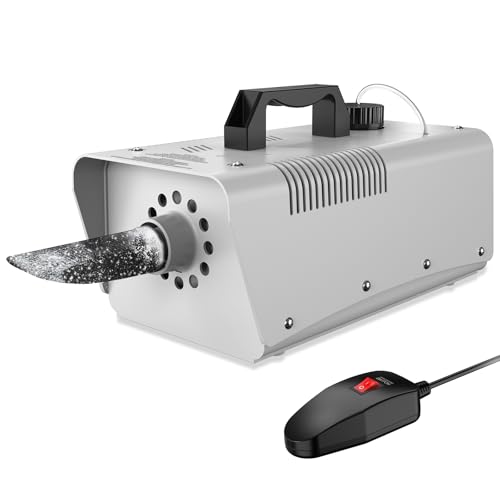
Wisdomlit Snow Machine, 650W Snow Maker Machine, Durable Fake Snow Maker
High Output Artificial Snowflakes: This snowflakes machine can produce 2,000CFM (Cubic Feet Per Minute) at 6.5 – 10…
As an affiliate, we earn on qualifying purchases.
As an affiliate, we earn on qualifying purchases.
Frequently Asked Questions
How Can I Prepare for Unexpected Weather Changes During Winter Festivals?
To prep for unexpected weather changes during winter festivals, you should bring reliable winter gear like insulated jackets, waterproof boots, and gloves. Always pack an emergency kit with essentials such as blankets, snacks, and a flashlight. Stay informed about the forecast, and be ready to adjust plans if needed. Being prepared guarantees you stay warm, safe, and enjoy the festivities despite sudden weather shifts.
Are There Specific Regions More Prone to Climate Variability Affecting Festivals?
Yes, some regions are more prone to climate variability affecting festivals due to their climate sensitivity. Areas with high regional variability, like northern Europe or mountainous regions, experience unpredictable weather that can disrupt events. You should stay informed about local weather forecasts and plan for flexible schedules or indoor alternatives. Being aware of these climate sensitivities helps you better prepare and enjoy winter festivals despite unpredictable conditions.
How Do Climate Trends Impact Traditional Winter Festival Activities?
You might find that climate change throws a wrench in traditional winter festival activities, forcing you to adapt. Warmer temperatures can shorten snow seasons or eliminate ice opportunities, impacting ice skating, sledding, and snow sculptures. Festival organizers must embrace innovation and flexibility, ensuring celebrations go on despite unpredictable weather. By proactively planning for climate change, you help keep the spirit alive, demonstrating resilience and ensuring cherished memories aren’t lost to shifting climate trends.
What Safety Precautions Should Attendees Take During Severe Winter Weather?
During severe winter weather, you should dress in layered winter clothing to stay warm and dry. Carry an emergency kit with essentials like blankets, snacks, and a flashlight. Stay updated on weather alerts and avoid venturing out if conditions worsen. If you’re outdoors, seek shelter quickly and keep communication devices charged. These precautions help guarantee your safety and comfort during harsh winter conditions at festivals.
Can Weather Forecasting Accurately Predict Conditions for Specific Festival Dates?
Weather forecasting can often predict conditions for specific festival dates, but forecast accuracy varies depending on the time frame and location. You should check updated weather predictions regularly, especially as the event approaches. Keep in mind that weather prediction is not always perfect, so it’s wise to prepare for unexpected conditions. By staying informed, you can better plan your festival experience and stay safe regardless of forecast accuracy.

LANGXUN 1500W Snow Machine with Manual & Wireless Remote Control | Large Output Snowmaking Machine for Indoor & Outdoors | Adjustable Snowflake Size | Perfect for Christmas, Weddings, and Parties
Tips: 1.There is a black cloth at the nozzle of the snowflake machine, please do not take off…
As an affiliate, we earn on qualifying purchases.
As an affiliate, we earn on qualifying purchases.
Conclusion
Don’t let worries about unpredictable weather dampen your winter festival plans. While climate trends suggest shifts in snowfall and temperatures, there’s still plenty of joy to be found. Many festivals adapt with indoor activities or flexible scheduling, ensuring you can enjoy the season’s magic regardless of the forecast. Embrace the changes and create new memories—winter festivals remain a wonderful way to celebrate, no matter what the weather brings.

IMONE 650W Snow Machine Christmas Gift Snow Maker Machine,Artificial Snow Making Machine Snowflake Machine,Snow Machine Indoor with Remote Snow Machines for Outdoors Party Parade Picture
Instant Winter Wonderland & Multi-Scene Magic: Transform any indoor or outdoor space into an enchanting, festive winter scene….
As an affiliate, we earn on qualifying purchases.
As an affiliate, we earn on qualifying purchases.

2 Packs Reflective Vest Running Gear, High Visibility Reflective Running Gear Adjustable Elastic Safety Vest for Night Jogging, Biking, Walking or Dog Walking, Running Vest for Men Women Children
High Visibility & Security: The reflective gear, made of top – notch reflective strips, provides 360 – degree…
As an affiliate, we earn on qualifying purchases.
As an affiliate, we earn on qualifying purchases.