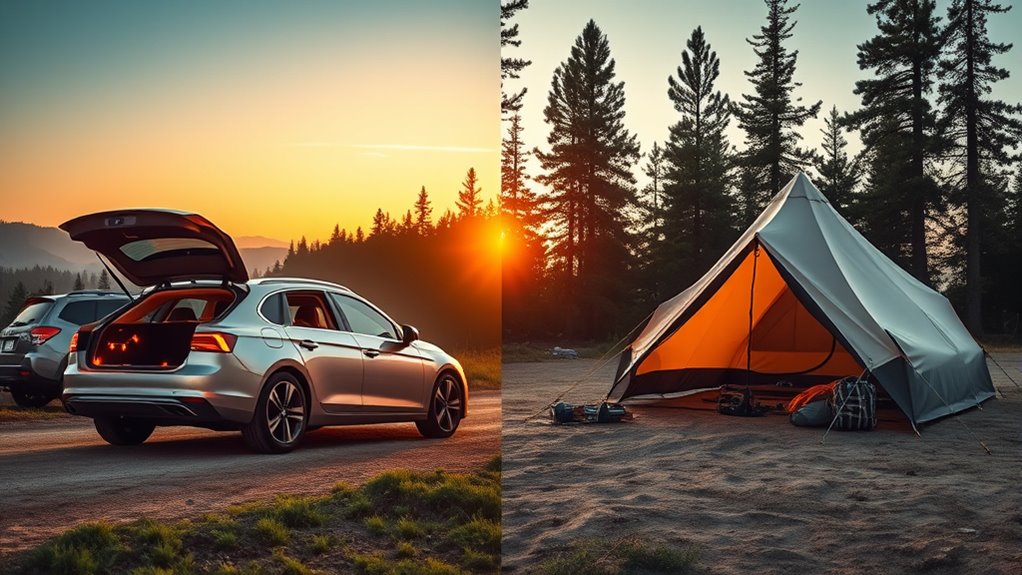

Choosing between car camping and tent-only trips depends on what you value most. Car camping offers more comfort, convenience, and access to amenities, making longer stays easier for families or groups. Tent-only trips give you a minimalist, immersive outdoor experience, requiring you to pack light and be more self-sufficient. If you want to explore the pros and cons of each style and find what suits your adventure, there’s more to discover below.
Key Takeaways
- Car camping offers greater comfort, amenities, and space, making longer stays more convenient.
- Tent-only camping promotes simplicity, portability, and a closer connection to nature.
- RVs and vehicles require specific campsite amenities, while tents are more flexible and accessible in various locations.
- Packing light for tents fosters self-sufficiency and resourcefulness, whereas car camping allows bringing more gear.
- The experience varies from relaxed, comfort-focused trips to minimalist, adventurous outdoor immersions.
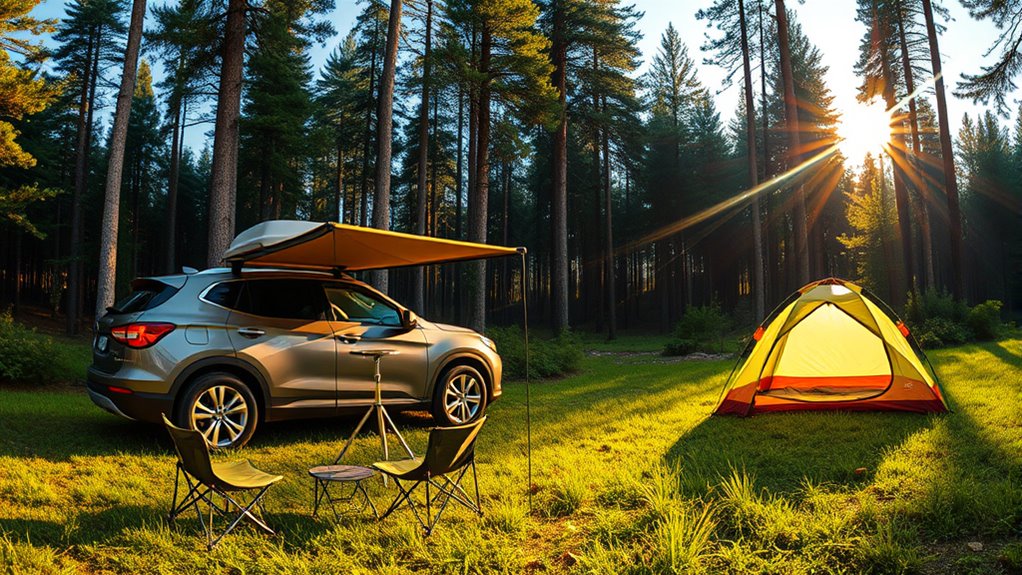
When choosing between car camping and tent-only trips, understanding the key differences can help you decide which option suits your outdoor adventure best. If you’re leaning toward car camping, you’ll likely appreciate the convenience of RV travel or bringing along a vehicle that acts as your mobile base. This setup allows you to access more extensive campsite amenities, such as electrical hookups, running water, and even kitchen facilities. With an RV or a car packed with supplies, you can enjoy a level of comfort that makes longer stays or less developed sites more manageable. You’re not limited to bringing only what fits in a backpack; instead, you can load up gear, food, and even extra furniture, making your camping experience feel more like a road trip combined with outdoor living.
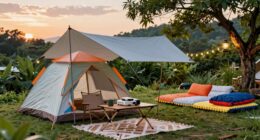
On the other hand, tent-only trips tend to emphasize simplicity and a closer connection to nature. Without the need for a vehicle to carry your gear, you’re encouraged to pack light and prioritize essentials. Tents are easy to set up at various sites, especially those that don’t cater to RVs or larger vehicles. However, this also means you’ll need to be more strategic about what you bring, as space is limited. The lack of campsite amenities like electrical hookups or running water means you’ll have to be more self-sufficient, carrying portable water supplies, lanterns, and cooking gear. While this can be more challenging, it often leads to a more immersive outdoor experience, where you’re more attuned to your surroundings and less reliant on modern comforts. Additionally, minimalist camping can foster a deeper appreciation for nature and self-reliance.
Choosing between these options depends on your priorities. If you value convenience, comfort, and access to amenities, car camping with RV travel might be your best bet. It allows for a more relaxed experience, especially if you’re traveling with family or a group. Conversely, if you prefer a minimalist approach, enjoy a physical challenge, and want to experience nature more intimately, tent-only trips can offer that sense of simplicity and adventure. Keep in mind that your choice also influences the type of campsite you’ll select; RVs often require sites with specific amenities, whereas tent camping can be more flexible and accessible in various locations. Ultimately, understanding what each option offers helps you plan an outdoor adventure that aligns with your comfort level and the experience you seek.
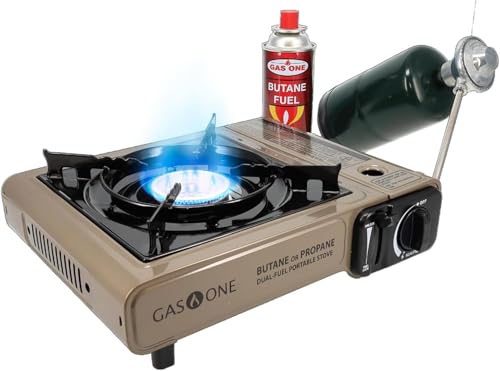
Gas One GS-3400P Propane or Butane Stove Dual Fuel Stove Portable Camping Stove – Patented – with Carrying Case Great for Emergency Preparedness Kit
- Dual Fuel Compatibility: Works with butane or propane fuels
- Automatic Ignition: Piezo-electric ignition eliminates lighters
- User-Friendly Design: Adjustable heat dial for easy control
As an affiliate, we earn on qualifying purchases.
As an affiliate, we earn on qualifying purchases.
Frequently Asked Questions
What Are the Safety Considerations for Car Camping?
When car camping, prioritize road safety by parking in designated areas and securing your vehicle. Be mindful of fire hazards; keep fires small, never leave them unattended, and extinguish them thoroughly. Always check local fire bans and weather conditions. Keep a first aid kit handy, and make certain your campsite is well-lit at night. Staying aware of your surroundings helps prevent accidents and keeps you safe during your outdoor stay.
How Do I Choose the Best Campsite for Car Camping?
You should select a campsite with good campground amenities like clean water, restrooms, and trash disposal. Guarantee the site offers easy campsite accessibility, especially if you’re hauling gear or vehicles. Look for well-maintained roads and level ground to make setup easier. Read reviews or ask park staff about safety and quiet hours. Choosing a site that matches your needs will make your car camping experience enjoyable and stress-free.
Can I Car Camp in All Weather Conditions?
You can definitely car camp in many weather conditions, but it’s not a one-size-fits-all situation. Weather adaptability depends on your vehicle’s preparedness; for example, guarantee your car is equipped for snow, rain, or high winds. When the going gets tough, knowing you’ve prepared your vehicle and gear can make all the difference. Stay flexible, check forecasts, and pack accordingly—your adventure’s success hinges on being ready for whatever Mother Nature throws your way.
What Are the Best Storage Options for Gear During Car Camping?
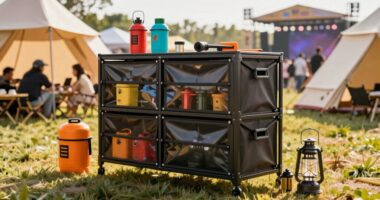
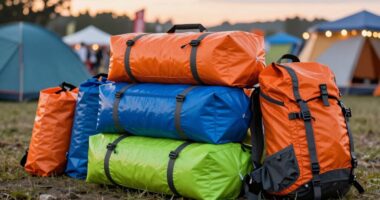
You should consider portable cabinets for secure, organized gear storage during car camping. They’re sturdy, lockable, and keep your items accessible yet protected. Soft storage options, like duffel bags or collapsible bins, are lightweight and versatile, perfect for smaller gear or clothes. Combining both guarantees your gear stays tidy and safe, whether you’re parked in a campsite or on the go, making your camping experience more convenient and enjoyable.
How Does Parking Impact Wilderness Conservation Efforts?
Parking impact affects wilderness conservation efforts by increasing foot traffic, which can lead to habitat degradation and soil erosion. When you park irresponsibly or in designated areas, you unintentionally harm delicate ecosystems and disturb wildlife. To support conservation efforts, always follow park rules, stick to designated parking spots, and limit your impact. Your mindful parking choices help preserve natural areas for future generations and protect the environment.

Night Cat Backpacking Tent for One 1 to 2 Persons Lightweight Waterproof Camping Hiking Tent for Adults Kids Scouts Easy Setup Single Layer 2.2×1.2m
- Enhanced Pole Protection: Fiberglass poles with protective casing
- Spacious for One Person: Inner size 7.0*3.8*3.6ft, fits 1 adult
- Lightweight & Compact: Weighs 2kg, folds into 42*12*12cm
As an affiliate, we earn on qualifying purchases.
As an affiliate, we earn on qualifying purchases.
Conclusion
Choosing between car camping and tent-only depends on your adventure style. Car camping offers comfort and convenience, making your trip feel like a luxurious retreat, while tent-only challenges you to embrace simplicity and self-reliance. Whichever you pick, remember that your experience shapes your memories—so make them count. Don’t let hesitation hold you back; the great outdoors is waiting to transform you into a fearless explorer. After all, your adventure is only limited by your imagination!

Glocusent LED Ultra Bright Camping Lantern, Camping Light with Max 1500LM
- Bright 360° Illumination: 135 LEDs flood 200ft² with shadow-free light
- Long Battery Life: Up to 200 hours on a single charge
- Fast Rechargeable: Full charge in 3.5 hours via USB-C
As an affiliate, we earn on qualifying purchases.
As an affiliate, we earn on qualifying purchases.

Odoland Portable LED Camping Lantern with Ceiling Fan – Hurricane Emergency
- Essential Camping Lighting: Provides bright illumination for outdoor nights
- Multi-Functional Light and Fan: Combines LED lighting with adjustable fan
- High-Speed Air Circulation: Powerful brushless motor with two fan speeds
As an affiliate, we earn on qualifying purchases.
As an affiliate, we earn on qualifying purchases.