
TL;DR
You can turn one video into a full suite of publish-ready assets—titles, descriptions, thumbnails, clips—without using the cloud. This local-first approach boosts control, speed, and security, perfect for creators who want independence from SaaS platforms. Discover more about innovative content workflows at Bollywood Bunny.
Imagine finishing a video and having the entire set of social posts, thumbnails, transcripts, and embeds ready to go—without uploading to any cloud service. It sounds like a dream, right? But it’s becoming reality with workflows that keep your media on your own server or device. This approach offers control, speed, and security that many creators crave in today’s cloud-heavy world. For more insights, visit Moleopedia about digital content management.
In this article, I’ll show you how a single video can spawn an entire publishing kit—ready for multiple platforms and formats—all managed locally. You’ll see how this setup can cut hours from your workflow, keep your data private, and give you more say in your content’s destiny. Learn more about independent content creation at Funigy.
We’ll explore what makes this possible, how it works, and what tradeoffs you might face along the way. Ready to save time and reclaim your publishing power? Let’s dive in.
How a Local System Reads and Understands Your Video Better Than Cloud Tools
The secret is in how a local system doesn’t just transcribe your video—truly understands it. Instead of guessing from a wall of text, it analyzes audio, visuals, and their relationship. For example, it detects scene shifts, reads on-screen text, and aligns spoken words with visual cues.
This multi-layer approach means the system knows exactly when a key point happens—like the moment your punchline lands or a product appears on screen. That level of understanding allows it to generate assets that are precisely timed and contextually relevant, which significantly enhances the quality and effectiveness of your content. For instance, better scene detection enables more accurate clip creation, and understanding on-screen text can improve captioning and metadata generation. The tradeoff, however, is that this depth of analysis requires more sophisticated algorithms and processing power, which might mean investing in better hardware or more complex setup procedures. But ultimately, this deeper comprehension leads to assets that resonate more with viewers and perform better across platforms, making the initial investment worthwhile.
According to ChannelHelm’s GitHub, this layered understanding is what sets local workflows apart from simple speech-to-text tools. It’s about moving from raw data to meaningful insights that directly inform your publishing assets, giving you a competitive edge in content quality and relevance.
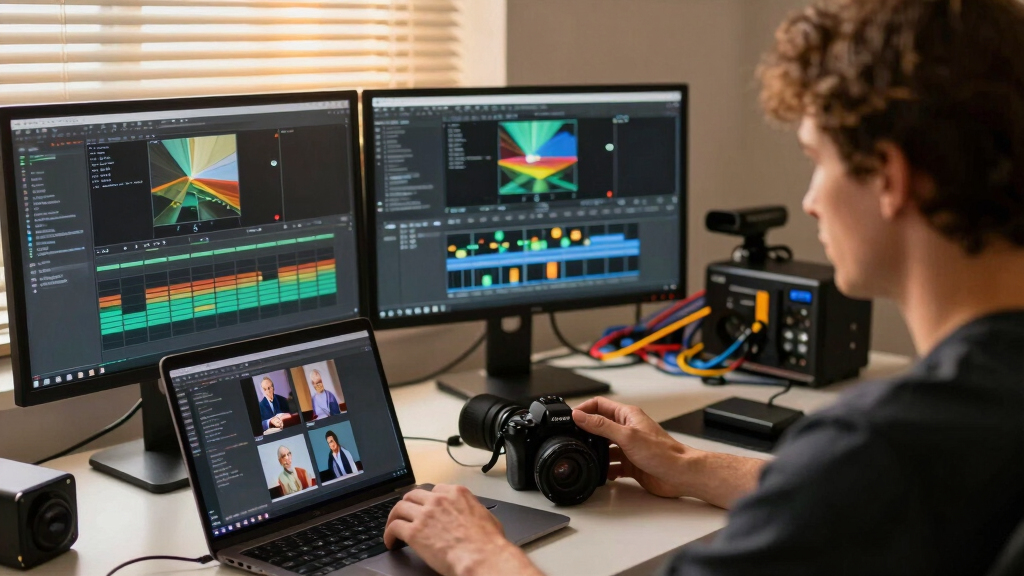
![Express Schedule Free Employee Scheduling Software [PC/Mac Download]](https://m.media-amazon.com/images/I/41yvuCFIVfS._SL500_.jpg)
Express Schedule Free Employee Scheduling Software [PC/Mac Download]
- User-friendly drag & drop interface: Simple shift planning
- Manage time-off and leave: Add sick leave, breaks, holidays
- Email schedules to employees: Direct email scheduling
As an affiliate, we earn on qualifying purchases.
As an affiliate, we earn on qualifying purchases.
Step-by-Step: How to Turn One Video Into a Full Publishing Kit on Your Own Hardware
- Drop or Link: Drop your source video into the system or paste a YouTube URL. It automatically detects the channel and gathers the raw footage, saving you from manual downloads and ensuring consistency.
- Understand: Background workers transcribe, analyze visuals, and fuse data into a structured log. This includes scene detection, on-screen text, and spoken content, all of which serve as the foundation for generating relevant assets. The complexity here lies in how these data points are integrated; for example, aligning speech with visual cues to determine the most impactful moments, or recognizing recurring themes to suggest titles. This process is computationally intensive but crucial for producing assets that truly reflect your content’s nuances. The tradeoff is that initial setup might require more time and technical knowledge, but the payoff is a highly tailored kit that captures your video’s essence more accurately than manual methods.
- Review: Use the built-in studio to see all assets—titles, descriptions, clips. Edit, regenerate, or approve each piece. This step is vital because, despite automation, human judgment ensures your content aligns with your goals and audience expectations. The ability to quickly tweak assets means you can adapt the system’s suggestions to better fit your style, making the process both efficient and personalized.
- Publish: Dispatch the finished assets directly to your platforms—YouTube, TikTok, blogs—without ever leaving your machine. This local deployment reduces delays and minimizes the risk of upload failures or data leaks. The tradeoff is that you need to set up API connections or export workflows, but once configured, this step becomes almost instant, giving you faster turnaround times and more control over your publishing schedule.
For detailed setup steps, check out the official site.
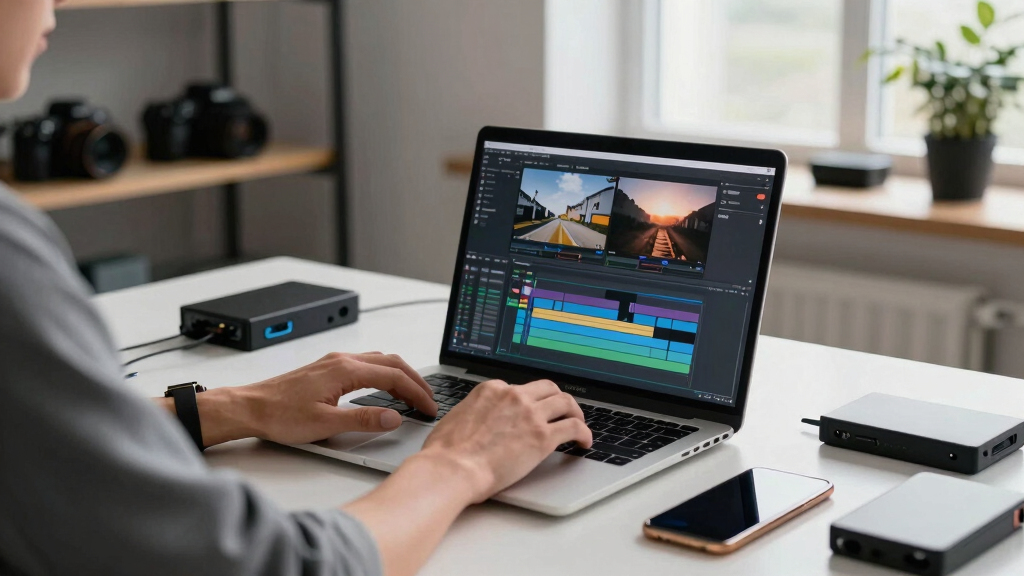

Adobe Bridge 2026 User Guide: The Complete Step-by-Step Masterclass to Digital Asset Management, Seamless Creative Cloud Integration, and Supercharging Your Workflow
As an affiliate, we earn on qualifying purchases.
As an affiliate, we earn on qualifying purchases.
Define Your Goals and Prepare Your Media
Before diving into automation, clarify what you want to achieve with your publishing kit. Are you aiming for maximum reach across multiple platforms? Do you prioritize high-quality thumbnails and compelling descriptions? Knowing your goals helps you tailor the process and select the right tools.
Next, organize your source video and any additional media assets. Ensure your files are properly labeled and stored on your local machine or server. This preparation simplifies the workflow and minimizes errors during processing, allowing your system to efficiently analyze and generate assets aligned with your content strategy.
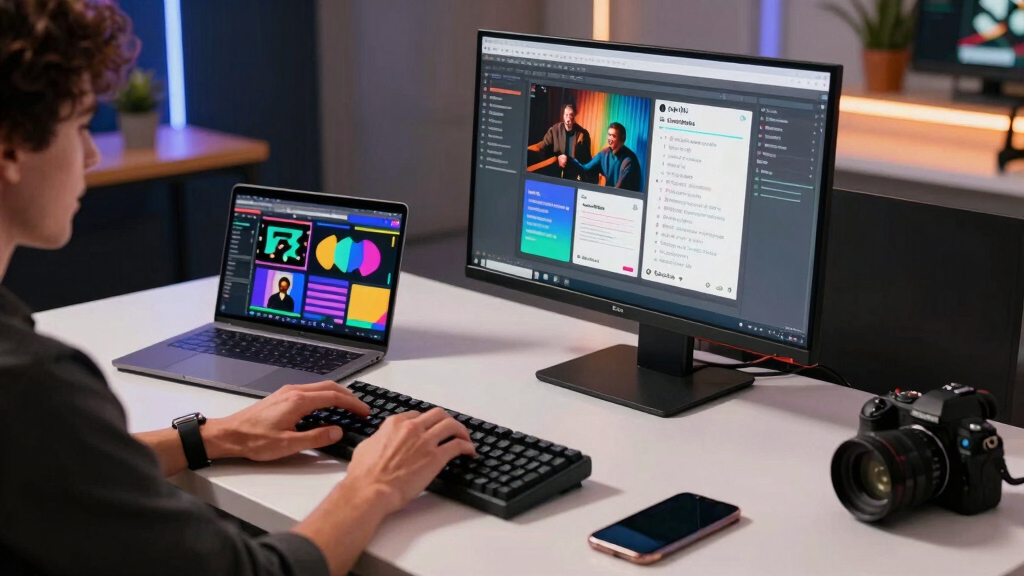

Dictation Depot LLC Express Scribe Transcription Kit – Professional Software, Heavy Duty Infinity IN-USB-3 Foot Pedal, Spectra FLX-10 Headset – 16GB Memory, USB Interface
- Foot Pedal Type: Three-button USB foot pedal
- Device Quality: High quality ergonomic design
- Cord Length: 10-foot cord
As an affiliate, we earn on qualifying purchases.
As an affiliate, we earn on qualifying purchases.
Apply and Optimize Your Assets for Different Platforms
Once your system has generated initial assets, review and customize them for each platform’s requirements. You might also explore how to optimize your publishing process for different audiences. For example, create vertical clips for TikTok and Instagram Stories, or optimize thumbnails for YouTube. Use the local editing tools to tweak titles, descriptions, and visuals, ensuring each asset is tailored for maximum engagement.
Experiment with different formats, captions, and tags to see what resonates best with your audience. Since everything is managed locally, you can quickly iterate without waiting for cloud processing or uploads. This flexibility allows you to refine your content strategy on the fly, making your publishing kit more effective over time.
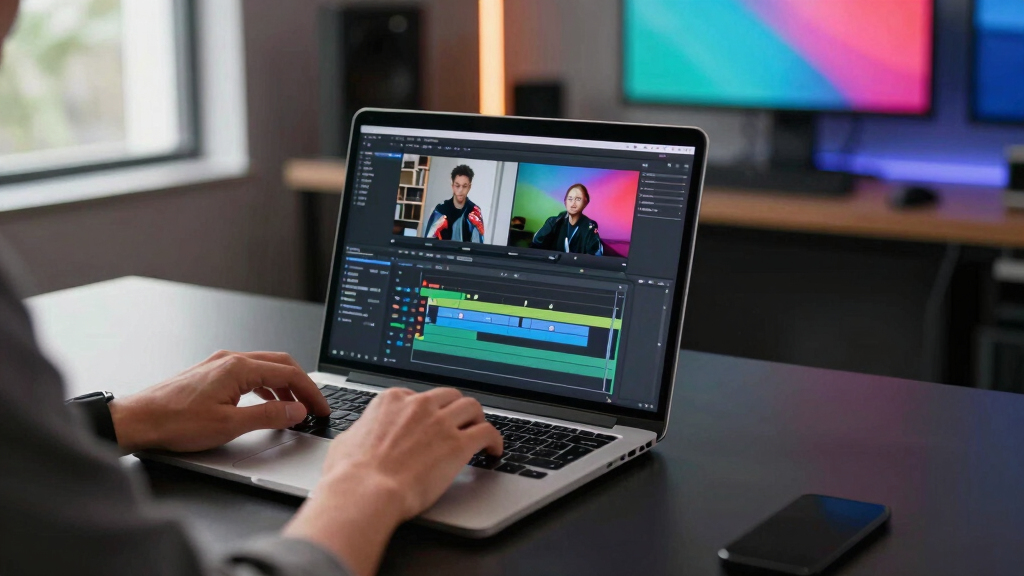

Using AI for Video Production: Automating Edits and Effects (AI in Everything Everywhere)
As an affiliate, we earn on qualifying purchases.
As an affiliate, we earn on qualifying purchases.
Conclude with Benefits and Future Possibilities
By adopting a local-first workflow, you gain complete control over your media, reduce reliance on external services, and accelerate your publishing schedule. This approach not only safeguards your privacy but also empowers you to create more personalized and targeted content for your audience.
As technology advances, expect even more sophisticated tools that further automate and enhance local workflows. Integrating AI-driven insights, real-time editing, and multi-platform management will make this approach even more powerful, helping creators stay ahead in a competitive landscape. Embracing these workflows today sets the stage for a more autonomous, secure, and efficient future in content creation.
Frequently Asked Questions
What exactly does ‘one video in, a whole publishing kit out’ mean?
It means starting with a single source video and automatically generating all the assets needed for publishing—titles, descriptions, clips, thumbnails, and social posts—without manual re-creation or cloud reliance.
Can this system work offline or only with an internet connection?
A truly local workflow can run entirely offline, processing videos and generating assets on your hardware. It minimizes dependency on the internet, making it ideal for low-bandwidth or remote environments.
What kinds of platforms and formats does it support?
It can produce assets for YouTube, TikTok, Instagram, Facebook, LinkedIn, and more. Formats include horizontal, vertical, square, clips, and snippets tailored for each platform—covering practically every social channel.
How much manual editing is still needed after automation?
While the system automates most tasks, you still review and tweak assets—titles, thumbnails, descriptions—to match your style and goals. The idea is to speed up creation, not replace your judgment.
Is this safe for sensitive or private content?
Yes. Since everything runs locally, your media stays on your hardware. There’s no need to upload to cloud servers, reducing risk and maintaining full control over your content’s privacy.
Conclusion
Going local with your video publishing isn’t just about avoiding the cloud—it’s about reclaiming control, speeding up your workflow, and safeguarding your content. You can make a single video work harder—covering every platform, every format, every audience—without sacrificing privacy or flexibility.
It’s time to think bigger from a single upload. Your next content push could be faster, smarter, and more secure—right from your own machine.