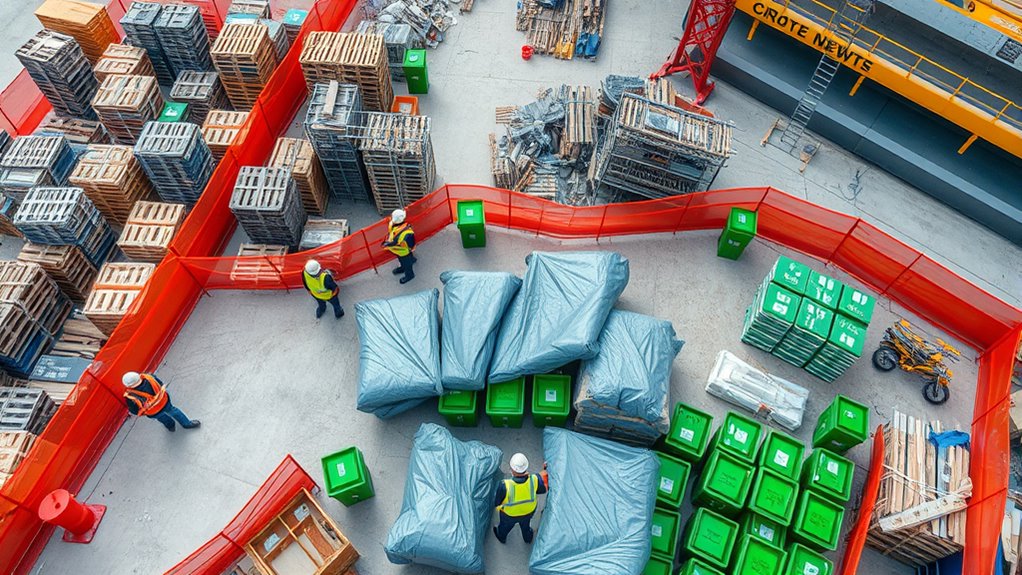

To promote sustainability on-site, you should implement MOOP (Material On-site Optimization and Planning) and effective materials tracking. These strategies help you monitor waste, enhance reuse, and manage materials efficiently. By tracking materials like concrete, metals, and wood, you reduce waste and lower environmental impact. Proper management also guarantees compliance with regulations and boosts resource conservation. Keep exploring how these practices can transform your project toward greener, more sustainable outcomes.
Key Takeaways
- MOOP enables real-time, detailed tracking of materials to optimize reuse and recycling efforts on construction sites.
- Effective materials tracking identifies waste patterns, reduces unnecessary disposal, and promotes sustainable resource management.
- Digital inventory systems and MOOP improve transparency, accountability, and communication among project stakeholders.
- Tracking unused and recycled materials supports compliance with environmental standards and reduces the project’s ecological footprint.
- Integrating MOOP and materials tracking fosters smarter decision-making, resource conservation, and sustainable construction practices.

Have you ever wondered how construction sites can become more environmentally friendly? It all starts with implementing effective recycling strategies that minimize waste and promote resource conservation. Recycling on-site isn’t just about tossing debris into bins; it’s about thoughtfully managing the material lifecycle. From the moment raw materials arrive to the final cleanup, every step offers opportunities to reduce environmental impact. You can optimize recycling strategies by sorting materials properly, ensuring that metals, concrete, wood, and plastics are separated and sent to appropriate recycling facilities. This approach prevents unnecessary disposal of useful resources and reduces the demand for virgin materials, which in turn conserves natural resources and lowers emissions associated with extraction and processing. Understanding the material lifecycle helps you make smarter decisions—knowing which materials can be reused on-site, repurposed for other projects, or recycled after demolition. It’s about extending the usefulness of materials, rather than simply disposing of them once their initial purpose is fulfilled.
By tracking the flow of materials throughout the project, you gain valuable insights into waste generation patterns and recycling efficacy. This data enables you to identify waste hotspots and adjust your strategies accordingly, making your site more sustainable. For example, if you notice a high volume of unused concrete, you can plan to crush and reuse it as fill or aggregate, rather than sending it to landfill. Similarly, tracking materials helps prevent theft and loss, ensuring that valuable resources aren’t wasted or misappropriated. It also supports compliance with environmental regulations and sustainability standards, which are becoming increasingly strict in many regions. Additionally, material tracking can help identify opportunities for innovative reuse practices that further reduce waste.
Incorporating tracking tools, such as digital inventory systems or MOOP (Material On-site Optimization and Planning), allows you to monitor materials in real-time. This transparency helps workers stay aware of recycling goals and promotes accountability. When everyone understands the importance of managing the material lifecycle effectively, it encourages more sustainable practices across the site. Plus, transparent tracking fosters communication among suppliers, contractors, and waste processors, ensuring everyone works toward the same sustainability objectives. Ultimately, by integrating extensive recycling strategies and understanding the material lifecycle, you can considerably reduce your project’s environmental footprint, conserve resources, and contribute to a more sustainable construction industry. It’s about making smarter choices every step of the way—turning waste into a resource and laying the foundation for greener building practices.

Soomeet Password Book with Alphabetical Tabs, Hardcover Password Keeper, Size 4.4''x 6.1'' Password Notebook for Saving Internet Login, Username, Password Organizer for Computer & Website Logins, Blue
【Keep Your Password Safe】A paper password book is one of the safest ways to store your website information….
As an affiliate, we earn on qualifying purchases.
As an affiliate, we earn on qualifying purchases.
Frequently Asked Questions
How Can MOOP Monitoring Improve Construction Site Safety?
MOOP monitoring improves construction site safety by ensuring site cleanliness and effective waste management. When you actively track and control debris and materials, you prevent trip hazards and reduce the risk of accidents. By maintaining a tidy work environment, you promote safer conditions for workers and visitors. Regular MOOP checks help identify potential safety issues early, allowing you to address them promptly and keep the site secure and compliant.
What Are the Best Tools for Real-Time Materials Tracking?
Did you know that real-time materials tracking can boost efficiency by up to 25%? You should use digital dashboards and mobile apps to achieve this. Digital dashboards give you instant visibility into stock levels, while mobile apps allow your team to update and access data on-site instantly. These tools help prevent delays, reduce waste, and keep everyone aligned, making your construction process smoother and more sustainable.
How Does Material Tracking Influence Project Timelines?
Material tracking substantially influences your project timelines by streamlining the material lifecycle and optimizing your supply chain. When you monitor materials in real-time, you can quickly identify delays or shortages, allowing you to adjust schedules proactively. This reduces downtime and prevents costly overruns, ensuring your project stays on track. Effective tracking helps you coordinate procurement, delivery, and usage seamlessly, ultimately speeding up completion and enhancing overall efficiency.
What Regulations Govern Sustainability Tracking on Construction Sites?
Think of regulations as the roadmap guiding your sustainability journey. You must follow local, state, and federal rules for environmental compliance, including waste management and material tracking. Green certifications like LEED or BREEAM set standards you aim for, shaping your practices. Staying compliant guarantees your project meets legal requirements, advances sustainability goals, and earns recognition—making your site a beacon of responsible construction that respects the environment and community.
How Can Teams Ensure Accurate Data Collection for Sustainability Reports?
To guarantee accurate data collection for sustainability reports, you should implement strict waste management protocols and train your team on proper procedures. Regularly review data entries for consistency and correctness, and use digital tools for real-time tracking. By prioritizing waste management and emphasizing data accuracy, you can improve the reliability of your sustainability reports, demonstrating your commitment to environmental responsibility on-site.

Home Logic Recycling Bin System, 3 Pack Waste Sorting Containers with Stickers, Plastic Trash Cans for Kitchen Garage Home Recycling Organization, 13 Gallon, Black
3 Bin Recycling System: Set includes three recycling bins designed for easy waste separation making it simple to…
As an affiliate, we earn on qualifying purchases.
As an affiliate, we earn on qualifying purchases.
Conclusion
As you implement MOOP and materials tracking, you’re taking vital steps toward true sustainability on site. But remember, the journey doesn’t end here—there’s always more to uncover, improve, and protect. Will your efforts be enough to make a lasting impact? The future of your project—and our planet—rests on what you do next. Stay vigilant, stay committed, and keep pushing forward. Because the next breakthrough could be just around the corner.

Warehouse Management and Inventory Control System
As an affiliate, we earn on qualifying purchases.
As an affiliate, we earn on qualifying purchases.
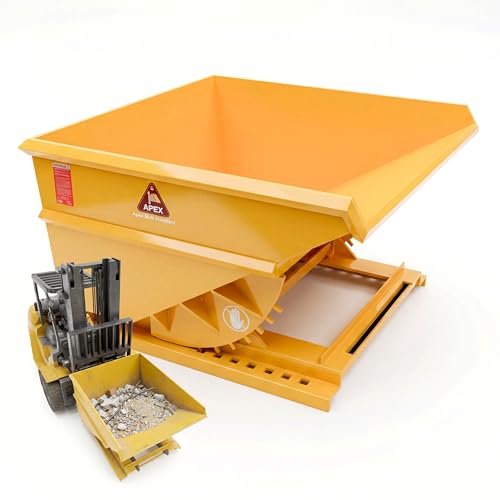
Apex Heavy Duty Self-Dumping Hopper, 3 Cubic Yard Capacity, 8000 lb Load Rating, Reinforced Steel Tilt Skip with Watertight MIG-Welded Body for Forklift Scrap and Waste Handling, Made in USA
HIGH VOLUME 3 YARD CAPACITY – 3 cubic yard (approx. 2.29 m³) hopper is built for the largest…
As an affiliate, we earn on qualifying purchases.
As an affiliate, we earn on qualifying purchases.