Building a festival main stage involves thoughtful planning of design, layout, lighting, and sound to create an impactful experience. You’ll need to take into account stage size, shape, and how it supports equipment and performers. Incorporate creative visual elements and guarantee seamless coordination between lighting and sound for immersive effects. Pay attention to acoustics and technical setup for clarity and safety. Keep exploring to discover more about turning these elements into an engaging festival centerpiece.
Key Takeaways
- Designing a visually striking and functional stage layout that accommodates equipment and performers comfortably.
- Planning and installing advanced lighting systems for mood, effects, and synchronization with performances.
- Setting up high-quality sound systems optimized for clarity, volume, and outdoor acoustics.
- Coordinating seamless integration of lighting, sound, and technical cues for an immersive experience.
- Incorporating modern technology and sustainable practices for efficient setup and environmentally responsible operations.
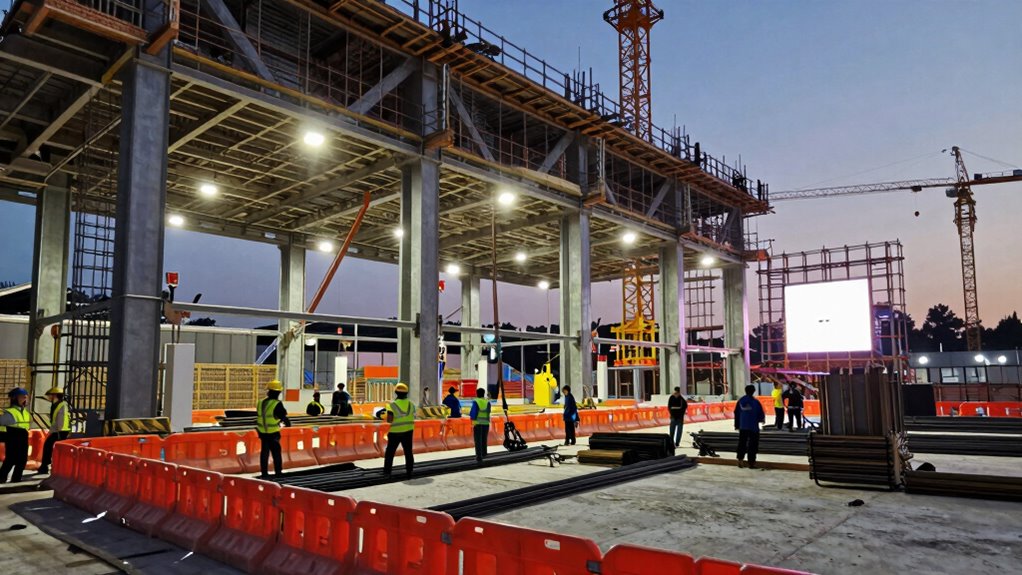
Have you ever wondered what it takes to create an engaging main stage for a festival? It’s not just about throwing together a few speakers and some lights; it’s a complex process that combines technical skill, creativity, and careful planning. The first step is designing a stage that’s visually striking and functional. You need to consider the size, shape, and layout to guarantee it can support the equipment and performers comfortably. Once you have the design, the next essential element is the lighting setup. Lighting isn’t just about illuminating performers; it sets the mood, emphasizes key moments, and creates a spectacle that mesmerizes the audience. You’ll want to work with lighting designers who understand how to use spotlights, floodlights, and color gels to craft dynamic visual effects. The placement of lights must be strategic, avoiding shadows on performers and guaranteeing the stage is well-lit from multiple angles.
Designing a captivating stage involves careful planning, creative lighting, and ensuring performers are perfectly lit from all angles.
Simultaneously, sound engineering plays a key role. You need a team of skilled sound engineers who can optimize the sound system for clarity, volume, and balance. This involves selecting the right speakers, microphones, and amplifiers, and positioning them carefully. Proper sound checks are essential to prevent feedback, echo, or uneven sound distribution. A well-designed sound system guarantees every audience member, whether close or far, experiences the music or speech as intended. It’s also important to think about acoustics, especially if the stage is set up outdoors where wind and ambient noise can affect sound quality. The sound engineers will fine-tune the audio throughout the event, adjusting levels and equalization as needed to maintain a consistent experience. Incorporating environmental impact considerations into the planning process can also help reduce noise pollution and energy consumption. Additionally, understanding the emerging trends in digital publishing can aid in promoting the event and sharing highlights in innovative ways.
Behind the scenes, these elements must work seamlessly together. The lighting and sound systems are coordinated to enhance each other, creating an immersive environment. For example, lighting cues can sync with music beats or specific moments in a performance, while the sound system needs to handle those transitions smoothly. You’ll need to communicate clearly with performers, stage managers, and technical crews to guarantee everything runs smoothly. Time management is essential—setting up, testing, and troubleshooting all these systems before the event starts requires careful planning. Incorporating modern technology can further streamline setup and operation, ensuring a more efficient production process. Using advanced audio-visual equipment can also help improve the overall quality and reliability of the setup. Being mindful of environmental sustainability can also contribute to a greener event and reduce its ecological footprint.
In the end, building a festival main stage is about more than just aesthetics; it’s about delivering an unforgettable experience. When lighting setup and sound engineering come together harmoniously, you create a mesmerizing atmosphere that keeps the audience engaged from the first note to the last encore.

ClypsoReign Stage Lights with Stand 120W, Professional DJ Lights Package, RGBW LED 4-Par Gigbar with DMX & Sound-Activated Stage Lighting System for DJs Band Party Wedding Church & Concert, 7FT Tripod
- Complete DJ Lighting Kit: Includes light, stand, remote, and accessories
- Vibrant RGBW LED Lights: 12 high-brightness LEDs for rich colors
- DMX & Sound-Activated Control: Supports professional DMX and music sync
As an affiliate, we earn on qualifying purchases.
As an affiliate, we earn on qualifying purchases.
Frequently Asked Questions
How Do You Ensure Audience Safety During Setup?
You guarantee audience safety during setup by implementing effective crowd control measures, such as barriers and clear signage, to prevent overcrowding and confusion. You also develop an emergency preparedness plan, training staff to respond swiftly to incidents. Regularly communicate safety protocols to your team, monitor the area continuously, and coordinate with local emergency services. This proactive approach helps protect attendees and ensures a smooth, secure setup process.
What Permits Are Needed for Constructing the Stage?
You need to secure the right permits and construction approvals before building your stage. Permitting requirements vary by location, so check with local authorities, zoning boards, and building departments. These approvals ensure your structure meets safety codes and environmental standards. Neglecting them could turn your vibrant festival into a halted construction zone, with inspectors looming like shadows. Staying compliant keeps your project moving smoothly, letting your stage rise like a beacon of celebration.
How Is Sound Quality Maintained Across the Site?
You maintain sound quality across the site through strategic acoustic design and sound insulation. Position speakers carefully to minimize sound bleed, and use barriers or curtains to prevent noise from spilling into surrounding areas. Implement sound insulation in stage structures to reduce vibrations and echoes, guaranteeing clarity. Regularly monitor audio levels and adjust equipment as needed. These measures ensure everyone, from front-row fans to distant attendees, enjoys clear, balanced sound.
What Are the Most Common Technical Challenges Faced?
Imagine a sudden power surge causing your lighting setup to flicker during a major act—that’s a common technical challenge. You might struggle with stage design adjustments, sound system failures, or coordinating timing. Lighting setup issues are frequent, especially with complex designs. You’ll need backup plans for power, clear communication, and adaptable systems to guarantee the show runs smoothly, even when unexpected technical issues arise.
How Do You Minimize Environmental Impact During Construction?
To minimize environmental impact during construction, you should prioritize eco-friendly materials and sustainable practices. Use recyclable or renewable resources, like bamboo or reclaimed wood, to reduce waste. Implement energy-efficient methods, such as solar-powered lighting and low-impact machinery. Plan construction carefully to minimize land disturbance and preserve natural habitats. By committing to these eco-conscious choices, you help protect the environment while building a vibrant, memorable festival main stage area.

Bowens Dual 8 Inch 400W PA System – Portable Speakers with Bluetooth, USB/SD, LCD & Remote – DJ Sound System with Wireless Karaoke Microphone for Singing/Microfono & Stands
- Powerful 8-inch dual speakers: 200W PA system with bass and crisp highs
- Complete portable DJ kit: Includes speakers, stands, remote, wireless mic
- Multiple connectivity options: Bluetooth, USB, SD card compatible
As an affiliate, we earn on qualifying purchases.
As an affiliate, we earn on qualifying purchases.
Conclusion
By carefully planning the layout, acoustics, safety measures, and aesthetics, you create an unforgettable main stage experience. Think of it like the famous Coachella stage, which became iconic not just for performances but for its stunning design and crowd comfort. When you prioritize these elements, you’ll craft a space where artists shine and attendees feel connected. With dedication and attention to detail, your festival’s main stage will become a highlight everyone remembers.

Bloazzup DJ Lights Stand 2 Pack, Heavy Duty DJ Stand, Portable Par Can Tripod Stage Light Stand Adjustable Height 41-95 Inch, DJ Lighting T Bar Suitable for Stages, Bar, Banquet, Party
- Adjustable Height: 41 to 95 inches adjustable height
- Easy Assembly: Quick and simple to set up
- Versatile Mounting: Supports multiple lighting configurations
As an affiliate, we earn on qualifying purchases.
As an affiliate, we earn on qualifying purchases.
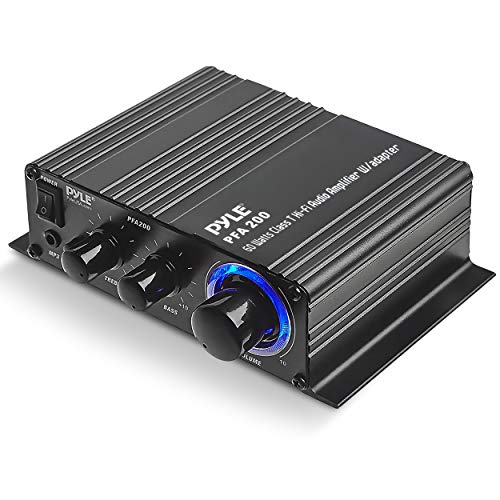
Pyle Home Mini Audio Amplifier – 60W Portable Dual Channel Surround Sound HiFi Stereo Receiver w/ 12V AC Adapter, AUX, MIC IN, Supports Smart Phone, iPhone, iPod, MP3 For 2-8ohm Speakers – Pyle PFA200
- Power Output: 60W dual channel stereo amplifier
- Sound Customization: Adjustable bass and treble with direct switch
- Device Compatibility: Supports smartphones, iPhone, iPad, MP3, microphone
As an affiliate, we earn on qualifying purchases.
As an affiliate, we earn on qualifying purchases.