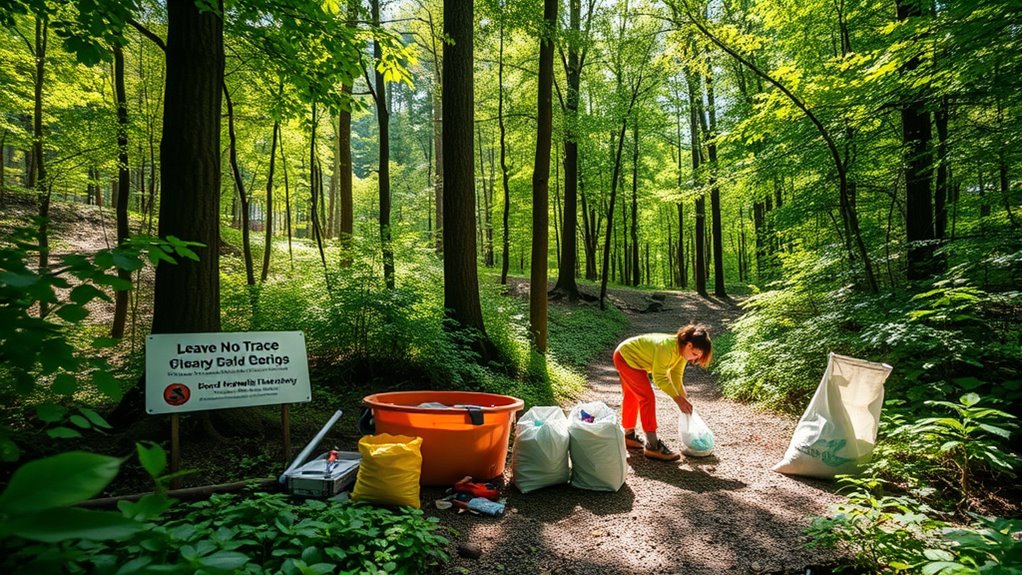

To create a Leave No Trace cleanup plan, start by evaluating the contamination to identify pollutants and define your site boundaries. Set clear goals for reducing pollutants to safe levels and prioritize actions like excavation, bioremediation, or containment. Implement the chosen methods carefully, monitor progress regularly, and document everything to guarantee compliance. If you follow these steps, you’ll effectively minimize environmental impact—and there’s more to uncover if you keep exploring the details.

Get movie nights delivered free with Prime
- Fast, free delivery on millions of items
- Prime Video, Amazon Music and more included
- Member-only deals all year
Key Takeaways
- Identify and assess pollution sources to establish effective cleanup priorities.
- Develop clear, achievable goals aligned with Leave No Trace principles to minimize environmental impact.
- Select appropriate remediation techniques such as removal, neutralization, or containment based on site conditions.
- Monitor progress regularly and adjust strategies to ensure pollutants are reduced to safe levels.
- Document all actions and communicate results to promote transparency and future responsible outdoor practices.
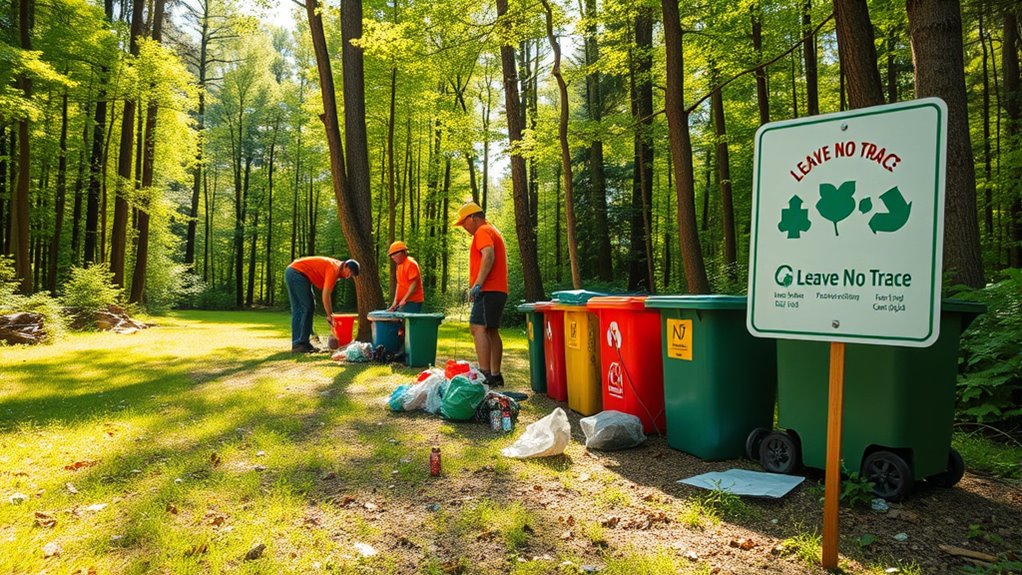
A well-structured cleanup plan is essential for effectively restoring a contaminated area and minimizing environmental impact. When you approach cleanup with a clear plan, you maximize efficiency and guarantee you don’t miss critical steps. Your first task is to assess the extent of the contamination thoroughly. This involves identifying the types of pollutants present, their concentrations, and the affected area’s boundaries. Accurate assessment helps you determine the appropriate remediation methods and allocate resources effectively. You might need to collect soil, water, or air samples for laboratory analysis, which provides detailed information about the contaminants involved. This step also helps you recognize sensitive ecosystems or endangered species that require extra care during cleanup. Incorporating proper sampling techniques ensures that your data collection is accurate and reliable.
A comprehensive cleanup plan is vital for effective environmental restoration and risk reduction.
After understanding the scope of contamination, you should set clear, achievable goals. Decide what constitutes a successful cleanup, whether it’s reducing pollutant levels below regulatory limits or restoring the area’s natural state. Establish timelines, budgets, and safety protocols early on to keep the project organized and on track. Safety measures are vital; you need to protect yourself and others from exposure to hazardous substances. Use personal protective equipment, follow proper handling procedures, and ensure everyone involved understands emergency protocols. A well-communicated plan minimizes accidents and health risks.
Next, prioritize your cleanup actions based on the severity and urgency of contamination. You might focus first on removing hazardous waste that poses immediate threats or contaminates water supplies. For less critical areas, you can plan for gradual remediation. Select the most appropriate cleanup techniques—such as excavation, chemical neutralization, bioremediation, or containment—according to the specific pollutants and site conditions. Combining methods often yields the best results, especially in complex situations. If you’re working with local communities or stakeholders, keep them informed and involved to foster cooperation and transparency.
Finally, you need a monitoring plan to track progress and verify that cleanup efforts meet your goals. Regular testing during and after remediation allows you to adjust strategies as needed and confirm that contaminants are reduced to safe levels. Document every step of the process, from initial assessment to final testing, so you can demonstrate compliance with environmental standards and prepare for any future maintenance or restoration tasks. A thorough cleanup plan not only restores the environment but also guarantees that you follow best practices, reduce risks, and leave the site in a condition that aligns with the principle of Leave No Trace.
As an affiliate, we earn on qualifying purchases.
Frequently Asked Questions
How Can I Motivate Others to Follow the Cleanup Plan?
You can motivate others by showing enthusiasm and leading by example. Share your positive experiences and the benefits of keeping the environment clean. Encourage teamwork and recognize everyone’s efforts, making them feel appreciated. Use fun activities or challenges to engage people. When others see how simple and rewarding cleanup can be, they’ll be more likely to join in and stay committed to the plan.
What Supplies Are Essential for an Effective Cleanup?
You’ll need gloves, trash bags, and recycle bins to make your cleanup effective. Don’t forget grabbers or tongs to pick up debris safely, and don’t overlook hand sanitizer for hygiene. A first aid kit can be a lifesaver if accidents happen. Carry water and snacks to stay energized, and bring some signage to inspire others to join. With these supplies, you’re all set to make a real difference.
How Do I Handle Hazardous Waste During Cleanup?
When handling hazardous waste during cleanup, always wear proper protective gear like gloves, masks, and goggles. Identify the waste and follow local regulations for disposal. Use designated containers to secure hazardous materials and avoid contact or spills. If you’re unsure about disposal methods, contact local environmental authorities. Never mix hazardous waste with regular trash, and guarantee all waste is properly labeled for safe handling and disposal.
What Are the Legal Considerations for Cleanup Activities?
Think of legal considerations as a safety net beneath a tightrope walker—you need to stay within its bounds. During cleanup activities, you must obtain necessary permits, follow environmental regulations, and adhere to local, state, and federal laws. Ignoring these rules can lead to hefty fines or legal trouble. Always consult with environmental agencies beforehand, document your actions, and verify you’re compliant to keep your cleanup efforts safe and lawful.
How Can Technology Assist in Organizing Cleanup Efforts?
Technology can greatly assist your cleanup efforts by providing GPS mapping to identify trash hotspots and coordinating volunteers through apps. You can use social media to recruit and organize teams quickly, while data collection tools help track progress and identify areas needing attention. Additionally, drone technology can survey large areas efficiently, making your cleanup more organized, effective, and timely. Embracing these tools guarantees your efforts are streamlined and impactful.
personal protective equipment for environmental cleanup
As an affiliate, we earn on qualifying purchases.
As an affiliate, we earn on qualifying purchases.
Conclusion
By following these steps, you minimize your impact, protect the environment, and leave a positive mark. You plan thoughtfully, act responsibly, and clean thoroughly. You pack out what you pack in, respect nature’s boundaries, and inspire others to do the same. You leave no trace, preserving the beauty for future explorers. Remember, your actions matter. Embrace the principles, practice consistently, and carry the message forward—because a cleaner world begins with you.
bioremediation products for soil
As an affiliate, we earn on qualifying purchases.
As an affiliate, we earn on qualifying purchases.
containment barriers for environmental cleanup
As an affiliate, we earn on qualifying purchases.
As an affiliate, we earn on qualifying purchases.
Halloween Picks
halloween
As an affiliate, we earn on qualifying purchases.