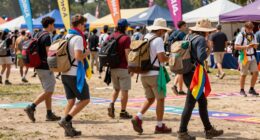
When capturing photos in crowds, it’s respectful to ask permission first, especially when individuals are clearly identifiable. Politely approaching someone with a simple question like “Would you mind if I took a quick shot?” shows courtesy and helps avoid awkward situations. While shooting wide scenes or candid moments may seem tricky, using zoom lenses can help. Respect people’s responses and observe social cues; staying considerate guarantees you’re seen as respectful. Continue to learn how proper photo etiquette can make your pictures more positive.
Key Takeaways
- Always ask for permission before photographing individuals in crowded settings to respect privacy and comfort.
- Be mindful of cultural norms and be prepared to accept a refusal without pressure.
- Use zoom lenses or capture wide scenes to avoid invading personal space when asking for permission isn’t feasible.
- Avoid photographing sensitive situations, such as emergencies or private moments, without explicit consent.
- Recognize non-verbal cues indicating discomfort and lower or stop taking photos to maintain respectful interactions.

When taking photos in crowded places, it’s vital to take into account the feelings and privacy of others around you. Not everyone feels comfortable being photographed, especially without their permission. Before snapping pictures, pause and consider whether the scene involves people who might not want to be in your shot. Approaching others politely and asking for permission shows respect and helps maintain a positive environment. A simple, friendly “Would you mind if I took a quick photo?” can make a significant difference. Many people appreciate being asked rather than surprised by a camera flash or a quick shot.
Respect others’ privacy by politely asking before taking photos in crowded places.
You should be mindful of cultural differences and social norms when requesting permission. Some cultures place a high value on privacy, and refusing a photo might be seen as perfectly acceptable. Respect their response without pressuring or insisting. If someone declines, respect their decision and move on without making them uncomfortable or causing a scene. Remember, obtaining permission isn’t just courteous; it’s also a way to avoid awkward or confrontational situations later. If you’re in a busy area or at a crowded event, it might be easier to ask multiple people at once rather than singling out individuals. Keep your tone friendly and genuine, which encourages cooperation and shows that your intentions are respectful.
In some cases, asking permission might not be practical—for example, if you’re capturing a wide scene or candid moments. In these situations, be cautious about how close you get to people in your shots. Use a zoom lens if possible, so you can capture the scene without invading anyone’s personal space. Be especially careful around children, vulnerable adults, or individuals who might appear uncomfortable. If you notice someone looking away or trying to avoid your camera, respect their non-verbal cues and lower your camera. Your goal should always be to respect personal boundaries and foster goodwill.
Additionally, always be aware of where and when you take photos. Avoid photographing people in sensitive situations, such as during emergencies, protests, or private moments. Asking first isn’t just about politeness; it’s about recognizing the right to privacy and ensuring your photography doesn’t intrude on personal boundaries. Practicing dynamic communication exercises can help you better navigate these social interactions with sensitivity. By practicing this simple step, you demonstrate respect for others’ autonomy and help create a more considerate, friendly environment for everyone around you. Ultimately, asking permission before photographing others in crowded spaces is a small act that promotes mutual respect and enhances your experience as a responsible photographer.

NEEWER HD 65mm Telephoto Phone Camera Lens with Lens Hood for 17mm Thread Lens Backplate Cell Phone Cage Case, 1.7X Zoom Lens Attachment Compatible with iPhone 17 16 15 S25 S24 Ultra Android, LS-66
【65mm Telephoto Phone Lens】 Take clear shots with stunning details using this 65mm telephoto lens accessory for your…
As an affiliate, we earn on qualifying purchases.
As an affiliate, we earn on qualifying purchases.
Frequently Asked Questions
Is It Okay to Take Photos Without Asking in Public Places?
It’s best not to take photos without asking in public places. You might unintentionally invade someone’s privacy or make them uncomfortable. Always look for cues that people are okay with being photographed, and if you’re unsure, politely ask for permission first. Respecting others’ boundaries shows consideration and helps you avoid conflicts. Remember, even in public, everyone has a right to their privacy, so a quick ask keeps things respectful.
How Should I Handle Someone Who Objects to Being Photographed?
When someone objects to being photographed, you should respect their wishes instantly. It’s ironic, isn’t it? You want a perfect shot, but their comfort comes first. Politely apologize, delete the photo if needed, and move on. Ignoring their objections shows poor manners—and could escalate the situation. Remember, everyone has a right to privacy, even in bustling crowds. Respecting that keeps your reputation intact and your conscience clear.
Are There Cultural Considerations for Photographing Crowds?
You should be aware of cultural norms around photography, as some cultures view photography as intrusive or disrespectful. Always research local customs before snapping pictures, especially in religious or sacred sites. When in doubt, ask for permission to avoid offending anyone. Respect signs or barriers that prohibit photography, and be sensitive to people’s comfort levels, understanding that what’s acceptable in one culture may not be in another.
What Are the Legal Implications of Taking Photos in Crowded Areas?
You could face legal trouble if you take photos in crowded areas without permission, especially if you invade someone’s privacy or record them in sensitive situations. Imagine capturing a lively street scene, but someone feels their rights are violated. Laws vary by location, so always know local regulations. Respect privacy, avoid commercial use without consent, and remember that consent isn’t always implied in busy public spaces. When in doubt, ask first.
How Can I Respectfully Photograph Children in Public Settings?
When photographing children in public settings, always ask for permission from their parents or guardians first. Approach politely, explaining your intention and ensuring they’re comfortable with you taking photos. Be respectful of their wishes if they decline, and avoid capturing children in sensitive or private moments. Keep a safe distance, and focus on capturing genuine, respectful moments that don’t invade their privacy or make them uncomfortable.

Yatao Digital Cameras for Photography and Vlogging, 6K 64MP Flip Screen, Dual Lens, Microphone for Video, 64GB TF Card, Compact Photo WiFi Camera for YouTube Kit Travel, Beginners (Black)
【64MP Digital Camera with Dual Lens for Photography】 Capture stunning details with this 64MP digital camera, featuring a…
As an affiliate, we earn on qualifying purchases.
As an affiliate, we earn on qualifying purchases.
Conclusion
Remember, asking before taking photos shows respect and helps avoid awkward moments. *Notably*, studies suggest that people are more receptive to photos when asked politely, increasing trust and positive interactions. So next time you’re in a crowd, break the myth that taking photos secretly is harmless. Instead, embrace good etiquette—your respect not only preserves relationships but also encourages others to feel comfortable sharing their moments with you. After all, kindness makes every shot better.

The Other Side of the Coin: The Queen, the Dresser and the Wardrobe – An Intimate Biography by Her Majesty's Personal Advisor with Never-Before-Seen Photographs
As an affiliate, we earn on qualifying purchases.
As an affiliate, we earn on qualifying purchases.

Logitech Brio 301 Full HD Webcam with Privacy Shutter, Noise Reduction Microphone, USB-C, Certified for Zoom, Microsoft Teams, Google Meet, Auto Light Correction – Black
Compatible with Nintendo Switch 2’s new GameChat mode
As an affiliate, we earn on qualifying purchases.
As an affiliate, we earn on qualifying purchases.