The new festival accessibility standards focus on making events inclusive through clear ticket pricing guidelines, such as offering discounts for seniors, students, and those with disabilities. They emphasize the importance of volunteer programs that assist with mobility, sensory needs, and navigation. Additionally, venues are encouraged to improve signage and accessible facilities. If you continue exploring, you’ll discover how these updated guidelines can help you create safer, more welcoming experiences for all attendees.

Get movie nights delivered free with Prime
- Fast, free delivery on millions of items
- Prime Video, Amazon Music and more included
- Member-only deals all year
Key Takeaways
- New guidelines emphasize tiered ticket pricing and discounts for seniors, students, and individuals with disabilities to improve affordability.
- Standards include mandatory accessible facilities, signage, sensory-friendly spaces, and trained volunteer support for diverse needs.
- Clear communication about accessibility options and available financial assistance ensures inclusive participation.
- Ongoing feedback and data analytics are recommended to continually enhance accessibility measures.
- Volunteer programs play a vital role in facilitating accessibility, guiding attendees, and supporting inclusive environments.
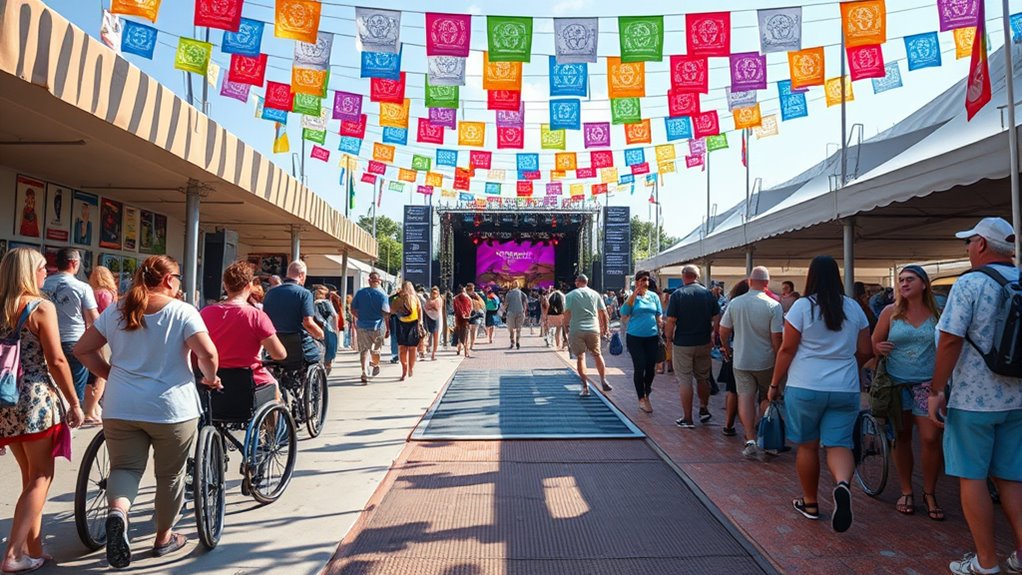
Ensuring that festivals are accessible to everyone isn’t just a good idea—it’s vital for creating inclusive and welcoming environments. When planning an event, you need to consider how ticket pricing can impact attendance and inclusivity. Offering tiered pricing or discounted tickets for seniors, students, or people with disabilities helps break down financial barriers that might prevent some from participating. By reducing the cost for certain groups, you make it easier for everyone to join in the celebration, fostering a sense of community and belonging. Additionally, transparent communication about ticket options and financial assistance programs guarantees that no one feels excluded due to cost. This approach not only broadens your audience but also demonstrates your commitment to accessibility. Incorporating AI-driven data analytics can assist organizers in understanding the specific needs of diverse attendee groups, further enhancing inclusivity efforts. Volunteer programs play a vital role in enhancing festival accessibility. When you involve volunteers, you can provide dedicated staff to assist those with mobility challenges, sensory sensitivities, or other needs. Volunteers can serve as guides, helping attendees navigate the venue, find accessible facilities, and understand event schedules. Training your volunteers to be attentive and respectful guarantees that everyone feels welcomed and supported. Furthermore, volunteer programs can help bridge gaps in services, such as providing sign language interpreters or accessible transportation options. They also foster a community spirit, where locals and attendees work together to create an inclusive atmosphere. By actively involving volunteers, you show that accessibility is a priority, and that everyone’s comfort matters. Other aspects of accessibility, like clear signage, accessible facilities, and sensory-friendly spaces, complement these efforts. But focusing on ticket pricing strategies and volunteer programs creates a strong foundation for inclusion. When you make it easier for people to afford tickets and ensure there are trained helpers available, you remove significant barriers that might otherwise keep some from attending. These measures demonstrate your dedication to diversity and equity, encouraging a broader range of people to participate. Remember, accessibility isn’t a one-time effort—it’s an ongoing commitment to adapt and improve based on feedback and changing needs. By prioritizing fair ticket pricing and engaging volunteer programs, you’re actively shaping festivals into spaces where everyone feels valued, safe, and able to enjoy the celebration fully.
As an affiliate, we earn on qualifying purchases.
Frequently Asked Questions
How Are Festival Staff Trained on Accessibility Protocols?
You receive extensive staff training focused on accessibility protocols, ensuring everyone understands their roles. The training sessions include hands-on exercises and scenario-based learning to reinforce proper protocol implementation. Staff members are also provided with detailed manuals and checklists, so they can reference them during the festival. Ongoing updates and refresher courses keep everyone informed about new guidelines, making sure accessibility remains a top priority throughout the event.
What Technology Solutions Are Used for Accessibility at Festivals?
Imagine you’re in 1984, but today, festivals use cutting-edge tech for accessibility. You’ll find digital ticketing systems that include audio and visual cues, making entry easier for everyone. Assistive devices like hearing loops and portable ramps are integrated with these solutions, ensuring seamless access. Technology like real-time captioning apps and accessible wayfinding tools help you navigate comfortably, creating an inclusive experience that’s both innovative and user-friendly.
How Do Standards Address Sensory-Friendly Experiences?
The standards prioritize sensory zones and calming environments to create sensory-friendly experiences. You’ll find dedicated sensory zones equipped with soft lighting, noise-canceling headphones, and calming visuals. These areas allow you to relax if sensory overload occurs. The guidelines guarantee festival organizers provide accessible, quiet spaces, making the event more inclusive. By incorporating these features, you can enjoy the festival comfortably, knowing there are designated areas to help manage sensory sensitivities.
Are There Specific Guidelines for Outdoor Versus Indoor Festival Venues?
Yes, there are specific guidelines for outdoor versus indoor festival venues. For outdoor accessibility, standards emphasize safe venue design, clear pathways, and accessible seating areas, ensuring everyone can navigate comfortably. Indoor venues must prioritize features like ramps, wide aisles, and tactile signage. You should consider these differences when planning, ensuring both settings meet accessibility requirements, so all attendees enjoy an inclusive experience regardless of the venue type.
How Is Feedback From Disabled Attendees Incorporated Into Standards?
Think of feedback from disabled attendees as the compass guiding improvements. You actively include their input through attendee surveys and feedback loops, ensuring their voices steer the development of standards. This process helps identify barriers and refine guidelines, making festivals more inclusive. By listening closely, you create environments where everyone feels welcome, turning their insights into actionable changes that truly enhance accessibility and foster a sense of belonging.
As an affiliate, we earn on qualifying purchases.
Conclusion
By prioritizing these new festival accessibility standards, you guarantee everyone can enjoy the experience. Did you know that over 15% of the world’s population has some form of disability? That means millions of potential attendees are often overlooked. Embracing these guidelines not only broadens your audience but also fosters inclusivity and community. So, take action now—making your festival accessible isn’t just a trend, it’s an essential step toward a more welcoming and diverse event for all.
accessible festival volunteer kit
As an affiliate, we earn on qualifying purchases.
As an affiliate, we earn on qualifying purchases.
As an affiliate, we earn on qualifying purchases.
Halloween Picks
halloween
As an affiliate, we earn on qualifying purchases.