
Use this guide to start a pop culture collectibles collection, from figures and trading cards to comics, props, and signed items. You will choose a focus, set a budget, assess an item before buying, and store it to limit damage. It is for beginners and takes about 1–3 hours to plan and make a first purchase; finding a particular item may take longer.

Get movie nights delivered free with Prime
- Fast, free delivery on millions of items
- Prime Video, Amazon Music and more included
- Member-only deals all year

Funko Pop! Marvel: New Classics – Spider-Man
- ✔ Brand: Funko
- ✔ Character: Spider-Man
- ✔ Collection: Marvel: New Classics

Funko POP! Movies: Ghostface
- ✔ Brand: Funko
- ✔ Character: Ghostface
- ✔ Collection: Funko POP! Movies
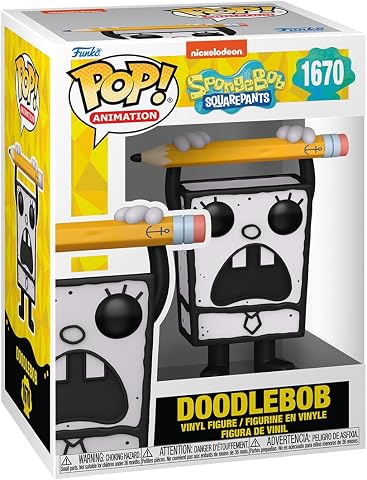
Funko Pop! TV: SpongeBob SquarePants 25th Anniversary – DoodleBob
- ✔ Brand: Funko
- ✔ Character: DoodleBob
- ✔ Collection: Funko Pop! TV
Difficulty: Beginner | Time: 1–3 hours to plan and make a first purchase
What You’ll Need
Tools & Materials:
- A phone or computer for researching prices and sellers
- A notes app or spreadsheet for tracking your collection and spending
- A clean, dry storage space appropriate for the items you plan to collect
Knowledge:
- Basic familiarity with the characters, stories, games, or performers that interest you
- Willingness to compare listings and ask sellers questions
Decide how much you can spend without borrowing or relying on resale profits. Prices change, and collectibles are not guaranteed investments. For expensive or signed items, allow time to verify the seller and item before paying.
Funko Pop! Marvel: New Classics – Spider-Man
For a single figure that can join the widest range of pop culture shelves, classic Spider-Man is our most adaptable pick. The familiar Marvel character is easy to recognize even at roughly 3.75 inches tall, and the compact format makes it straightforward to fit beside other figures without needing a dedicated display area. Compared with Ghostface’s horror-specific mood or DoodleBob’s deliberately oddball appeal, Spider-Man is more likely to make sense in a mixed-franchise collection.The glossy vinyl finish gives this version a bright, polished look that suits a classic superhero design. It is a one-piece static figure, described as a bobblehead, so it offers character recognition rather than pose variety. That is the key tradeoff: the design is accessible and collection-friendly, but collectors looking for a large, expressive Spider-Man pose or a scene-setting centerpiece should consider a more substantial format. Within this trio, it wins on versatility, not size or movement.
Pros:
- Classic Spider-Man design is easy to place in a broad Marvel or pop culture display.
- Compact height suits desks, shelves, and display cases.
- Glossy vinyl finish supports a bright, polished look.
- Single-piece figure keeps the display setup simple.
Cons:
- Static bobblehead pose does not allow display customization.
- Its roughly 3.75-inch scale may feel small beside larger statues or figures.
Best for: Marvel fans and mixed-franchise collectors who want a recognizable superhero figure that fits a compact shelf.
Not ideal for: Collectors seeking an articulated Spider-Man, a large display centerpiece, or a less familiar character.
Bottom line: We recommend Spider-Man as the most versatile choice here for collectors who want a compact, instantly recognizable Marvel character.
“We recommend Spider-Man as the most versatile choice here for collectors who want a compact, instantly recognizable Marvel character.”
Funko POP! Movies: Ghostface
Ghostface makes the strongest case when a shelf needs a horror identity. The Scream character’s recognizable look gives this figure a distinct tone that Spider-Man’s familiar superhero styling and DoodleBob’s comic absurdity do not share. At about 3.85 inches tall, it can add a horror touch to a smaller display without demanding the space of a larger statue. For fans assembling a Scream or slasher-themed collection, that focused franchise fit matters more than broad versatility.The supplied details describe textured vinyl and a multicolor design, which give it a different visual character from Spider-Man’s glossy finish. It remains a static figure, though, and its scale can limit its impact if surrounded by larger collectibles. That makes Ghostface less suited to buyers who want one universally themed figure for a mixed shelf; Spider-Man is the easier all-purpose choice. But for a horror-focused display, Ghostface offers the clearest match of character and theme in this lineup.
Pros:
- Distinct Ghostface design directly serves horror and Scream collections.
- Textured vinyl gives it a different finish from the glossy figures in this roundup.
- Compact size can fit on a desk or within a display case.
- Official Funko branding suits collectors seeking a licensed character figure.
Cons:
- Static pose limits display variation.
- Small scale may have less presence in a large horror display.
- Its franchise-specific appeal is narrower than Spider-Man’s.
Best for: Scream fans and horror collectors who want a compact, recognizable character for a themed shelf.
Not ideal for: Buyers building a broad superhero collection or looking for an articulated, large-scale horror centerpiece.
Bottom line: We’d choose Ghostface when horror identity matters more than cross-franchise versatility or display scale.
“We’d choose Ghostface when horror identity matters more than cross-franchise versatility or display scale.”
Funko Pop! TV: SpongeBob SquarePants 25th Anniversary – DoodleBob
DoodleBob is the most idiosyncratic pick of the three. Rather than leaning on superhero familiarity or horror imagery, this figure draws on SpongeBob SquarePants’ eccentric comedy and a specific 25th anniversary theme. Its multicolored, glossy vinyl styling makes it a playful option for fans who want their shelf to reflect a favorite character or a particular era of the show. Compared with Ghostface, it shifts the mood from spooky to silly; compared with Spider-Man, it offers a more niche character choice.That specificity is also the reason to skip it if SpongeBob is not part of your fandom: its appeal depends more directly on knowing and liking the character. At about 3.75 inches tall, it shares the lineup’s easy-to-place size, but the static pose does not add movement or scene detail. The anniversary connection gives it a clear collecting context, though the supplied information does not establish how its availability or collectability may change. We place it third for general-purpose versatility, while recognizing that for a DoodleBob fan it could be the most personally distinctive choice.
Pros:
- DoodleBob brings distinctive offbeat character appeal to a shelf.
- 25th anniversary theme gives the figure a specific franchise context.
- Glossy, multicolored vinyl suits its playful design.
- Compact format works for desks, shelves, and display cases.
Cons:
- Its character appeal is more niche than Spider-Man’s broad recognition.
- Static pose offers no articulation or movement.
- Small stature may be understated in a larger collection.
- The supplied details state that no warranty is provided.
Best for: SpongeBob fans and collectors who want a playful, anniversary-linked character with an unusual look.
Not ideal for: Buyers unfamiliar with SpongeBob or collectors who prioritize broad recognition, articulation, or larger scale.
Bottom line: We’d pick DoodleBob for SpongeBob fans who value a quirky anniversary character over broad, all-purpose appeal.
“We’d pick DoodleBob for SpongeBob fans who value a quirky anniversary character over broad, all-purpose appeal.”
As an Amazon Associate we earn from qualifying purchases.
Before You Start
Pick a collecting goal that is specific enough to guide purchases, such as one character, a particular comic run, or figures from a single series. Decide whether you want items to display, use, read, or keep sealed. This affects the condition and packaging you should look for. Set both a per-item limit and a monthly limit, including shipping, tax, display supplies, and protective storage.
Use recent sold listings to estimate a fair price; asking prices show what sellers hope to receive, not what buyers paid. Avoid rushing because a listing claims an item is rare or the offer expires soon.
Step-by-Step Instructions
Step 1: Choose a collecting focus
Write down the subject and types of items you want to collect. Keep the first focus narrow, such as original-release game guides, sealed figures from one franchise, or comics featuring one character. Note whether you prefer new, used, vintage, signed, or display-ready pieces.
Tip: A focused collection is easier to research and store. You can widen it after you learn what you enjoy collecting.
Check: You can describe your collection in one sentence and identify which items do not fit it.
Step 2: Set a complete spending limit
Choose a monthly maximum and a maximum price for a single item. Include the listed price, shipping, tax, import fees, and any costs for grading, framing, cases, or repairs. Track each purchase when you make it, and pause buying when you reach either limit.
Tip: Keep emergency savings separate. Do not count on selling an item later to cover its cost.
Check: You have a written limit for one item and for the month, including extra costs.
Step 3: Learn the basics of your chosen items
Look up the usual releases, editions, packaging, markings, and condition terms for your focus. Compare reputable collector references, publisher or manufacturer information, and completed sales. Learn which details matter for value, such as edition, variant, completeness, wear, or documented provenance.
Tip: Terms such as “rare,” “mint,” and “limited” can be used loosely in listings. Check the specific release and evidence behind the claim.
Check: You can name the details you need to verify before buying one item in your chosen category.
Step 4: Compare recent sale prices
Search for the exact item, edition, and condition you want. Compare several completed sales from the recent past, and exclude listings that differ in packaging, completeness, signature, grade, or included accessories. Record a reasonable price range and your maximum offer.
Tip: A graded copy and an ungraded copy are not direct comparisons. Factor in the grading service and label details when reviewing graded items.
Check: You have a price range based on completed sales of comparable items.
Step 5: Inspect the seller and listing
Check seller feedback, return terms, shipping method, and how long the account has been active. Read the full description and inspect clear photos of the actual item, including its back, edges, packaging, labels, and any damage. Ask for additional photos or details if something important is missing.
Tip: Treat stock images, vague descriptions, pressure to pay outside the marketplace, and refusal to answer basic questions as reasons to pause.
Check: You can identify the item from its photos and description, and you understand the seller’s return and shipping terms.
Step 6: Check authenticity and condition
Compare visible features with reliable references for the exact release. For signed items, check whether the signature has credible authentication or provenance; a certificate alone is not proof if its source cannot be verified. For graded items, confirm the grading company and verify the certification number through its official service when available. Note damage, restoration, missing pieces, odor, fading, or replaced parts.
Tip: Do not assume that a sealed package proves authenticity or guarantees a high grade. Packaging can be resealed, and condition still matters.
Check: You have checked the item’s identity, included parts, condition, and any available authentication details.
Step 7: Buy through a protected payment method
Purchase through a reputable marketplace or dealer using a payment method with buyer protection. Confirm the total cost, delivery estimate, insurance, and return policy before paying. Save the listing, seller messages, receipt, and tracking information.
Tip: Avoid gift cards, cryptocurrency, wire transfers, or direct payment requests from an unfamiliar seller. These methods can leave you with little recourse if an order goes wrong.
Check: You have an order confirmation and a record of the listing, payment, and shipping terms.
Step 8: Record and store the item
When the item arrives, photograph it and its packaging, check it against the listing, and record its name, edition, purchase date, total cost, condition, and seller in your collection log. Store it away from direct sunlight, heat, damp, smoke, and pests. Use clean hands or suitable gloves for items that can be marked, and choose archival or item-appropriate sleeves, boxes, or cases.
Tip: Use storage materials made for the item type. Some plastics and adhesives can damage paper, photographs, or collectibles over time.
Check: The item matches the listing, its condition is documented, and it has a safe storage place.
Common Mistakes to Avoid
- Buying because a seller calls an item rare or says its value will rise. — Check the exact release and compare recent completed sales. Buy because the item fits your collection and budget.
- Comparing prices for items with different editions, grades, or contents. — Match the version, condition, packaging, and included parts before using a sale as a price reference.
- Ignoring shipping, tax, or storage costs. — Calculate the full cost before placing an order and count it against your spending limits.
- Displaying collectibles in direct sun or damp areas. — Choose a stable, dry location away from windows, radiators, and moisture; use suitable protective materials.
Troubleshooting
Problem: You cannot find recent sales for the exact item.
Solution: Search using its edition, release year, model, or catalog number. Compare the closest matches and account for differences in condition. If evidence remains thin, wait or set a conservative maximum rather than treating an asking price as proof of value.
Problem: The seller will not provide clear photos or answer questions.
Solution: Do not buy until you can verify the details that matter. Look for the item from another seller with a stronger listing and clear buyer protections.
Problem: A signature or certification cannot be verified.
Solution: Ask for verifiable authentication or provenance and check the certification with the issuing service. If you cannot confirm it, price it as unauthenticated or choose another item.
Problem: The delivered item is damaged or differs from the listing.
Solution: Photograph the packaging and item as received. Contact the seller through the marketplace promptly, keep all packing materials, and follow the platform’s return or dispute process within its deadline.
What Success Looks Like
Your first purchase fits the focus and spending limits you set. You checked its edition, condition, seller, and comparable sale prices before paying. After delivery, the item matches the listing, you have documented it in a collection log, and it is stored in a dry location away from direct sunlight and heat.
Next Steps
Update your collection log after every purchase, sale, or condition change. Review your storage every few months for moisture, fading, pests, or damaged packaging. Before buying another item, compare it with your collecting focus and remaining budget. For a high-value item or one that may need professional grading, get advice from a specialist familiar with that category before sending it away or paying for authentication.
Frequently Asked Questions
Which pop culture collectibles should a beginner start with?
Start with an item you already enjoy and can research reliably. Choose a category with clear release information and prices you can afford, such as books, figures, cards, or comics. A focused collection is easier to manage than buying unrelated items.
Do I need to buy graded collectibles?
No. Grading is optional. It may help buyers compare some items, but grading costs money and does not guarantee a future resale price. Learn how the grading company evaluates your item type before paying for the service.
Should I keep collectibles sealed?
Choose based on your goal. Sealed packaging may matter to some collectors, while others prefer to display or use the item. Sealed condition does not prove authenticity, and packaging can still suffer damage during storage.
How can I tell if an autographed item is authentic?
Check for authentication from a service with a verifiable record, or provenance that can be independently reviewed. A certificate without a traceable issuer or matching item details may not provide meaningful proof.
Are collectibles a good investment?
Collectibles can lose value and may be difficult to sell quickly. Prices depend on demand, condition, authenticity, and the number of similar items available. Set a budget you can afford and collect for your own interest rather than relying on a profit.