
TL;DR

Get movie nights delivered free — and shop member deals
- Fast, free delivery on millions of items
- Access to Prime Big Deal Days deals on October 6–7
- Prime Video, Amazon Music and more included
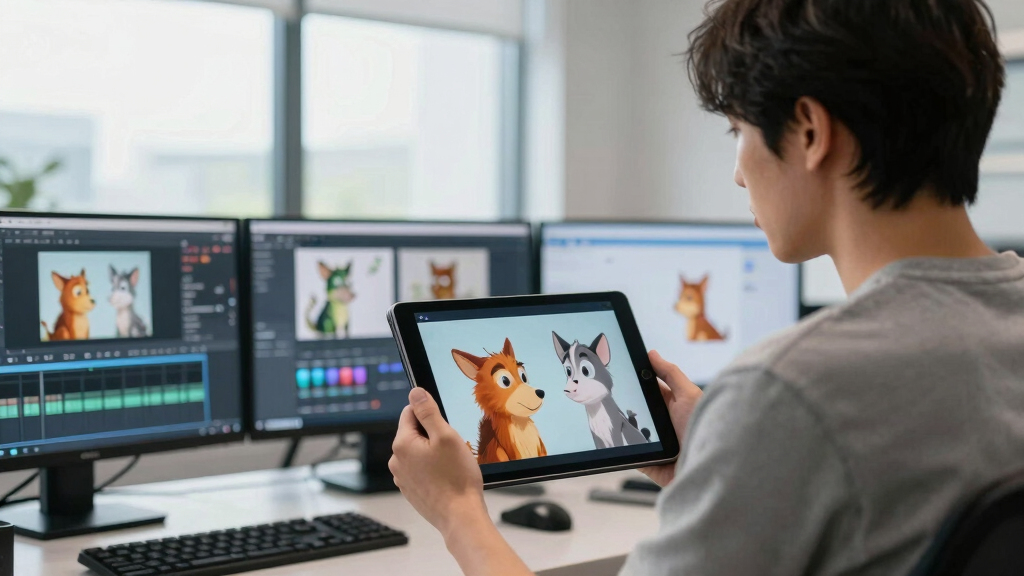
Multiple recent animated animal sequels have faced backlash from critics and fans for their weak storytelling and lack of originality. Industry insiders warn this trend could harm the franchise landscape if not addressed.
Several recent animated animal sequels have been met with widespread criticism from critics and audiences alike, highlighting concerns about the quality and direction of these franchise continuations. Industry observers warn that this trend risks damaging the reputation of animated sequels if studios do not improve their storytelling approach.
Over the past few months, movies such as ‘The Lion King 2: Return to Pride Rock’ and ‘Madagascar: Penguins in Paradise’ have underperformed critically and commercially, with many reviewers citing weak plots, uninspired characters, and a lack of originality. Patton Oswalt, a comedian and voice actor, voiced concerns via Vulture, stating that many of these sequels are ‘making the wrong choices’ by prioritizing franchise branding over storytelling quality.
Industry insiders suggest that studios are rushing these projects to capitalize on established brands, often at the expense of creative integrity. This has resulted in sequels that feel more like cash grabs than genuine stories, leading to disappointment among fans and critics. Some recent releases have also faced accusations of recycling plot points or relying heavily on nostalgia without offering fresh content.
Despite the criticism, some industry analysts note that animated sequels remain a lucrative market, which may explain why studios continue to push for more of them. However, the backlash indicates a growing disconnect between audience expectations and the quality of recent productions.
Impact of Poorly Made Animal Sequels on Industry Reputation
This trend of subpar animated animal sequels threatens to diminish the reputation of animated franchises and could lead to decreased audience trust. If studios prioritize profit over storytelling quality, it risks alienating viewers and undermining the potential for future successful sequels. Fans and critics argue that better storytelling and original ideas are necessary to sustain long-term franchise health, making this a critical issue for animation studios and distributors.
As an affiliate, we earn on qualifying purchases.
Recent Animated Animal Sequels and Industry Trends
Animated animal sequels have historically been profitable, with franchises like ‘The Lion King’ and ‘Madagascar’ leading the way. However, recent entries have faced criticism for lacking the storytelling depth that made their predecessors successful. Critics and fans have expressed disappointment with the quality of these new films, which often prioritize franchise branding over narrative innovation. Industry insiders note that studios are increasingly rushing sequels to meet market demands, sometimes resulting in poorly received films that fail to meet audience expectations.
“Many of these sequels are making the wrong choices, prioritizing franchise recognition over storytelling quality.”
— Patton Oswalt
As an affiliate, we earn on qualifying purchases.
Unclear Long-Term Impact on Franchise Sustainability
It remains uncertain whether studios will respond to criticism by improving sequel quality or continue prioritizing quick profits. The long-term effects on franchise loyalty and audience trust are still developing, and some industry analysts question if this trend can be reversed without significant changes in production strategies.
Madagascar penguin action figure
As an affiliate, we earn on qualifying purchases.
As an affiliate, we earn on qualifying purchases.
Future of Animated Animal Sequels and Industry Response
Studios are likely to face increasing scrutiny from critics and audiences, prompting some to reconsider their approach to sequels. Industry insiders suggest that upcoming projects may need to focus more on original storytelling and character development to rebuild trust. Monitoring box office performance and critical reception of future releases will help gauge whether the trend improves or worsens.
animated animal movie merchandise
As an affiliate, we earn on qualifying purchases.
As an affiliate, we earn on qualifying purchases.
Key Questions
Why are recent animated animal sequels receiving criticism?
Many critics and fans feel these sequels lack originality, have weak plots, and prioritize franchise branding over storytelling quality, leading to disappointment and poor reception.
Are studios intentionally making low-quality sequels?
Industry insiders suggest that some studios prioritize quick profit and franchise recognition, which can lead to rushed projects with less focus on story and character development.
Will this trend affect future animated sequels?
It is uncertain, but increasing criticism could push studios to improve quality, or alternatively, they may continue with low-effort sequels if profits remain high.
What can fans expect moving forward?
Fans should watch for announcements of upcoming projects that emphasize original storytelling or innovative approaches to franchise continuations.
Is this issue specific to animal sequels or broader?
While this criticism is focused on recent animal-themed sequels, it reflects a broader industry concern about franchise fatigue and the quality of animated sequels overall.
Source: google-trends
Fall Picks
fall essentials
As an affiliate, we earn on qualifying purchases.