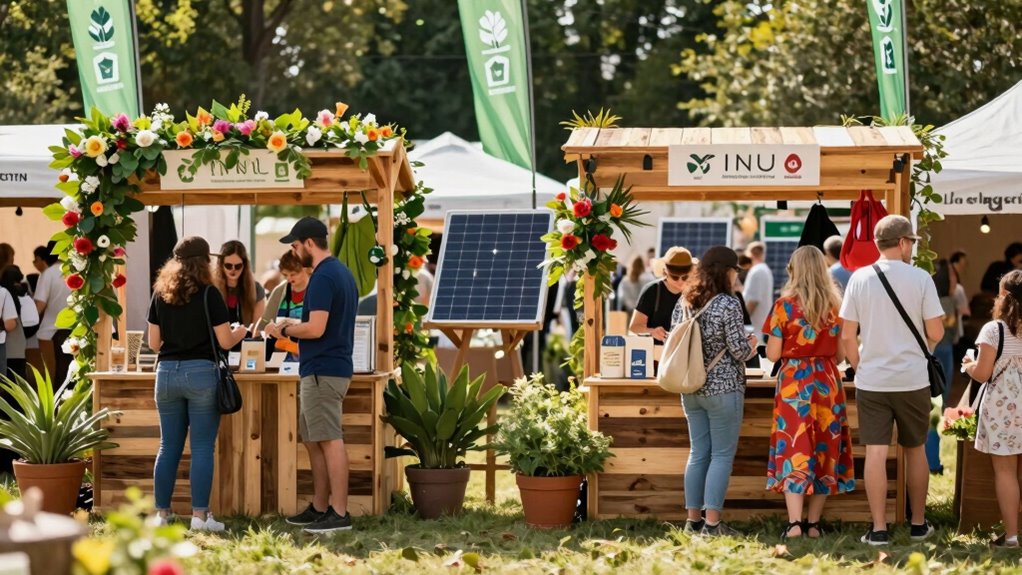

When looking at festival sustainability updates, notice if they highlight the use of renewable energy like solar panels and wind turbines, which show a commitment to cleaner power. Check for efforts to reduce waste through compostable containers, recycling stations, and encouraging reusable items. See if they engage attendees with eco-friendly information and foster community involvement, such as local partnerships or tree planting. Keep exploring to discover more ways festivals are making a positive environmental impact.

Get movie nights delivered free — and shop member deals
- Fast, free delivery on millions of items
- Access to Prime Big Deal Days deals on October 6–7
- Prime Video, Amazon Music and more included
Key Takeaways
- Implementation of renewable energy sources like solar panels and wind turbines during the event.
- Use of biodegradable materials and visible recycling stations to promote waste reduction.
- Clear signage and communication about sustainability initiatives and eco-friendly behaviors for attendees.
- Collaboration with local environmental groups and community projects such as tree planting.
- Monitoring and reporting of waste management efforts to demonstrate progress and long-term impact.
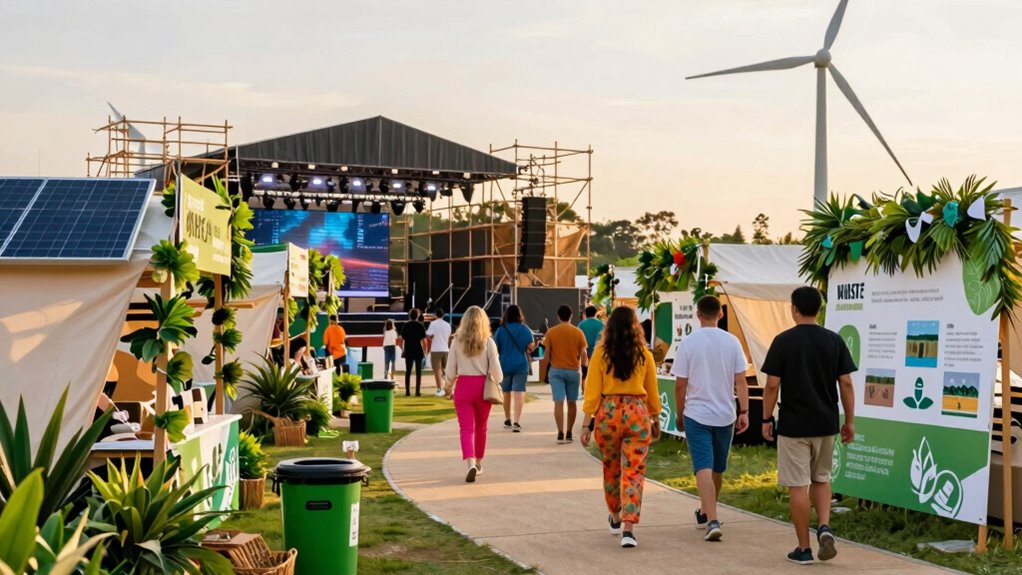
As festivals continue to grow in popularity, organizers are increasingly prioritizing sustainability to reduce environmental impact. When you look at the latest updates in festival practices, you’ll notice a strong emphasis on integrating renewable energy sources. Many festivals are shifting away from traditional power supplies and instead harness solar, wind, or other renewable energy options to power stages, lighting, and essential operations. This progression not only cuts down on carbon emissions but also demonstrates a genuine commitment to cleaner energy solutions. You might see solar panels installed on site or wind turbines subtly integrated into the festival landscape, signaling a move toward more sustainable energy practices.
Festivals are increasingly using solar, wind, and renewable energy to power events and reduce carbon emissions.
Alongside renewable energy adoption, waste reduction remains a core focus in festival sustainability updates. Organizers are actively implementing strategies to minimize waste generated during events. You’ll notice increased use of compostable or biodegradable materials for food and beverage containers, as well as widespread recycling stations clearly marked and conveniently located. Many festivals now encourage attendees to bring reusable cups, bottles, and bags, offering incentives or discounts for those who do. Some events even provide reusable utensil kits or water refill stations to further cut down on single-use plastics. These efforts aim to divert waste from landfills and promote responsible consumption throughout the event. Additionally, waste management strategies are evolving to include innovative composting programs and waste tracking systems to monitor progress more effectively. This focus on comprehensive waste strategies helps festivals further reduce their environmental footprint, aligning with broader sustainability goals. Many organizers are also engaging with local environmental organizations to implement these initiatives more effectively and ensure long-term positive impacts. Incorporating sustainable event planning principles is becoming increasingly common to optimize resource use and minimize environmental footprints.
Furthermore, festivals are increasingly adopting renewable energy sources, highlighting their role in reducing the overall carbon footprint of events.
Another key aspect you should notice is the emphasis on educating attendees about sustainability initiatives. Organizers are providing clear information on how to participate in waste reduction efforts and encouraging eco-friendly behaviors. Signage, social media updates, and on-site staff often guide festival-goers on recycling procedures, composting options, and energy-saving tips. By actively engaging participants, festivals foster a collective sense of responsibility that extends beyond the event itself.
Additionally, updates often highlight collaborations with local communities and environmental organizations to enhance sustainability outcomes. These partnerships can include initiatives like tree planting drives, local sourcing of food and merchandise, or conservation projects. Such collaborations not only reduce the festival’s environmental footprint but also strengthen community ties and promote long-term sustainability goals.
As an affiliate, we earn on qualifying purchases.
Frequently Asked Questions
How Do Festivals Measure Their Environmental Impact Accurately?
You can measure a festival’s environmental impact by tracking its carbon footprint through energy use, transportation, and waste emissions. Make sure to monitor waste reduction efforts, such as recycling and composting, to assess improvements. Collect data on resource consumption and waste management practices, then analyze this info to identify areas for improvement. Using these metrics, you can accurately gauge the festival’s sustainability performance and work towards minimizing its environmental impact.
What Are the Common Challenges Faced in Implementing Sustainability Initiatives?
You’ll face challenges like securing green financing and ensuring community engagement in sustainability initiatives. Limited funding can hinder the adoption of eco-friendly practices, while gaining community support requires effective communication and transparency. Balancing environmental goals with logistical and financial constraints is tough. To succeed, you need to build strong partnerships, educate attendees about sustainability, and find innovative ways to finance green projects, making sure everyone’s involved and invested.
How Can Attendees Contribute to Festival Sustainability Efforts?
You become the heartbeat of festival sustainability by embracing attendee eco actions, turning your presence into a ripple of change. Practice sustainable participation by using reusable items, minimizing waste, and respecting eco-friendly zones. Your mindful choices act as seeds of impact, encouraging others to follow suit. Together, your collective efforts create a vibrant tapestry of environmental consciousness, transforming the festival into a celebration that honors both music and Mother Earth.
Are There Specific Certifications for Sustainable Festivals?
Yes, there are specific certifications for sustainable festivals, such as A Greener Festival and ISO 20121. These certifications emphasize festival branding that highlights eco-friendly practices and foster community engagement by showcasing your commitment to sustainability. When attending, look for these badges to guarantee your festival choices support environmental efforts. Your participation and awareness help promote responsible event planning and encourage festivals to prioritize sustainable initiatives.
How Do Festivals Balance Entertainment Quality With Eco-Friendly Practices?
You can see festivals balancing entertainment quality with eco-friendly practices by integrating eco-friendly innovations that enhance the experience, like solar-powered stages or compostable concessions. They also foster community engagement through local workshops or volunteer programs, making attendees feel involved and responsible. This approach guarantees the festival remains fun and vibrant while minimizing environmental impact. By prioritizing sustainability alongside entertainment, festivals create memorable experiences that also support ecological health and community growth.
reusable festival cups and bottles
As an affiliate, we earn on qualifying purchases.
As an affiliate, we earn on qualifying purchases.
Conclusion
As you stay informed about festival sustainability updates, remember that your choices matter. For example, attending festivals that implement composting programs or ban single-use plastics can make a real difference. Imagine a festival where every attendee contributes to reducing waste, creating a cleaner environment and a more enjoyable experience for everyone. By noticing and supporting these efforts, you become part of the positive change, helping festivals grow greener and more sustainable for future generations.
As an affiliate, we earn on qualifying purchases.
As an affiliate, we earn on qualifying purchases.
Fall Picks
fall essentials
As an affiliate, we earn on qualifying purchases.