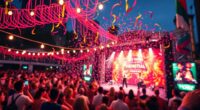
To build a shot list for a one-day festival shoot, start by scouting your venue in advance to find key vantage points and monitor crowd flow. Categorize shots into wide shots, close-ups, crowd reactions, and behind-the-scenes moments, prioritizing must-have images. Allocate time for setup, lighting changes, and spontaneous events. Make sure your equipment checklist is thorough so you’re prepared for all scenarios. Keep your schedule flexible to capture unplanned magic, and if you keep going, you’ll uncover even more planning tips.
Key Takeaways
- Categorize shots into wide, close-up, audience reactions, and behind-the-scenes, prioritizing key moments.
- Scout the venue beforehand to identify optimal vantage points and plan alternative locations.
- Allocate specific time slots for each shot, considering lighting conditions and transition durations.
- Prepare an equipment checklist with cameras, lenses, batteries, and accessories to ensure readiness.
- Incorporate crowd management strategies into shot planning to avoid obstructions and capture spontaneous moments.

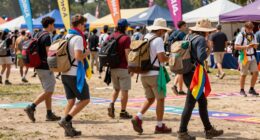
Planning a shot list for a one-day festival shoot can be overwhelming, but a well-organized approach makes all the difference. You need to balance capturing the vibrant atmosphere, key performances, and candid moments, all while managing limited time. To do this effectively, start by considering crowd management. You’ll want to identify the best vantage points that can handle large crowds without obstruction and plan your shots accordingly. Scout the venue in advance, if possible, to determine where the crowds gather most and where you can get unobstructed views. This guarantees you won’t waste precious time fighting for space or missing crucial moments. Incorporate crowd management strategies into your shot list by prioritizing shots that require specific angles or crowd control, and plan for alternative locations should access become restricted.
Next, compile a comprehensive equipment checklist. This step is essential to avoid missing essential gear that could hinder your shoot. Your list should include cameras, lenses, batteries, chargers, memory cards, tripods, stabilizers, and any specialty equipment needed for different shots. Think about the variety of shots you want—wide festival scenes, close-up performer shots, candid crowd reactions—and pack your gear accordingly. Don’t forget accessories like lens cleaners, gaff tape, and extra cables. Having a detailed equipment checklist prevents last-minute scrambling and keeps you focused on capturing moments rather than troubleshooting gear issues. It also helps you allocate time efficiently on the day of the event, so you can set up quickly and move seamlessly between locations.
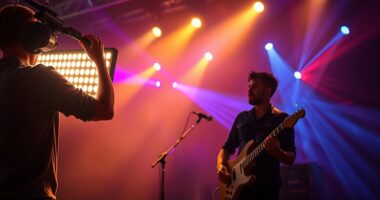
Once you’ve nailed down crowd management considerations and your equipment checklist, start drafting your shot list. Break it into categories: wide establishing shots, performer close-ups, audience reactions, behind-the-scenes moments, and any special shots you’ve planned. Be realistic about what can be achieved within the limited timeframe. Prioritize must-have shots and leave space for spontaneous opportunities—festival moments often unfold unexpectedly. Timing is pivotal, so assign estimated durations to each shot and factor in transition times. Also, consider lighting conditions at different times of day and plan your equipment setup accordingly.

CeezeCam 4K Vlogging Camera with Creator Kits 5K Digital Camera for Photography 64MP Video Camera with Flip Screen, Microphone, Powerbank Tripod, Wide-Angle & Macro Lens, Remote Control, Batteries
5K Video & 64MP Photo Digital Camera – Adopt a Sony sensor, this vlog camera delivers stunning 5K20fps…
As an affiliate, we earn on qualifying purchases.
As an affiliate, we earn on qualifying purchases.
Frequently Asked Questions
How Do I Prioritize Shots Under Time Constraints?
You should start by establishing a shot hierarchy, focusing on must-have shots first, then move to optional ones. Prioritize shots that capture key moments and audience reactions, as these define the event’s essence. Keep some scheduling flexibility for unforeseen delays or spontaneous opportunities. This way, you guarantee critical footage is captured without stressing about every shot, making your shoot efficient and adaptable under time constraints.
What Equipment Is Essential for a One-Day Festival Shoot?
For a one-day festival shoot, you need vital camera gear like a reliable DSLR or mirrorless camera, versatile lenses, and spare batteries. Don’t forget audio equipment, such as a shotgun mic or lavalier mics, to capture clear sound. A sturdy tripod and extra memory cards are also essential. This setup guarantees you’re prepared for dynamic scenes and high-quality footage, maximizing your limited shooting time efficiently.
How Can I Adapt My Shot List for Weather Changes?
You should include a weather contingency plan in your shot list, allowing for shot flexibility if conditions alter. Prioritize versatile shots that work in both sun and rain, and prepare alternative angles or locations. Keep your equipment protected and be ready to adapt your schedule. By planning ahead for weather shifts, you ensure you capture key moments regardless of the weather, maintaining a smooth workflow on your festival shoot day.
Should I Include Candid Shots or Only Planned Shots?
Think of your shot list as a time machine, but don’t forget to leave room for spontaneity. You should include candid shots, capturing spontaneous moments and audience reactions, because they bring authenticity and energy to your footage. While planned shots are essential, these unplanned moments often become the most compelling, so be flexible and ready to catch those genuine interactions that truly showcase the festival’s vibe.
How Do I Coordinate With Festival Staff During Shooting?
You should coordinate with festival staff early, focusing on clear staff communication to guarantee smooth shooting. Discuss venue logistics beforehand, including restricted areas and event timelines, so you know when and where to shoot. During the event, stay in contact via walkie-talkies or phones, updating them on your shot progress and any issues. This proactive approach helps prevent disruptions and ensures you capture all essential moments seamlessly.

Camera Glasses HD 4K Video Camera Sunglasses, Smart Glasses Camera for Men Women, Action Camera with UV400 Protection Polarized Lens Support Photos/Videos Recording for Outdoor Activities
FASHION UV PROTECTION POLARIZED LENS: Design with polarized and UV400 protecting lenses, sunglasses action camera can reduces the…
As an affiliate, we earn on qualifying purchases.
As an affiliate, we earn on qualifying purchases.
Conclusion
With your shot list in hand, you’re like a captain steering through a busy festival harbor, ready to capture every vibrant moment. Having a plan keeps you focused and efficient, ensuring you don’t miss those spontaneous, unforgettable scenes. Remember, flexibility is key—be prepared to adapt just as a tree bends with the wind. Trust your preparation, and you’ll create a dynamic, lively story of the festival that feels as lively as a carnival parade.
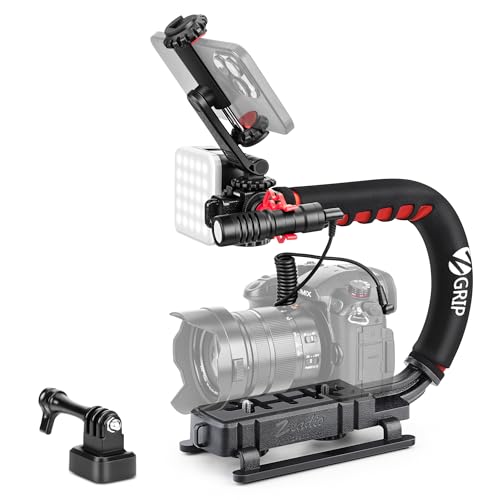
Zeadio Camera Stabilizer Kit, All-in-One Handheld Stabilizer with LED Video Light, Microphone, Phone Holder & Action Camera adaper, Fits for All Camera, DSLR, Action Camera and All Smartphones
【Variable】Features a triple cold shoe and two 1/4" universal screws, ideal for connecting multiple devices,such as smartphones, cameras,…
As an affiliate, we earn on qualifying purchases.
As an affiliate, we earn on qualifying purchases.

K&F CONCEPT Camera Tripod, 75" Lightweight Portable Travel Outdoor DSLR Tripods for Camera Phone Video Recording Tripod Stand, Cellphone Clip for Smartphone Live Streaming Vlog, Black
Innovative Pentagonal Tube Design – Engineered for stability and portability, this lightweight (2.6 lbs/1.18 kg) tripod features a…
As an affiliate, we earn on qualifying purchases.
As an affiliate, we earn on qualifying purchases.