A live set unfolds like a story, with a clear structure guiding your audience from an inviting opening, through a dynamic energy build, to a memorable climax and smooth closure. You manage this by strategically selecting tracks that set the mood, gradually increasing intensity, and responding to crowd reactions in real-time. Every shift and choice creates a seamless flow, making the experience cohesive and memorable. Keep exploring to discover how to craft a compelling musical journey step by step.
Key Takeaways
- A well-structured live set follows a narrative arc, guiding the audience through varied energy levels and emotional moments.
- Starting with an inviting, accessible track establishes mood and sets the foundation for the set’s story.
- Gradually escalating energy and dynamic elements create anticipation, leading to memorable peaks and emotional highs.
- Real-time crowd responsiveness allows DJs to adapt transitions, maintaining flow and audience engagement.
- A compelling finale and thoughtful closure reinforce the set’s story, leaving a lasting impression on the audience.

Have you ever wondered what makes a live set flow seamlessly from start to finish? The answer lies in understanding the intricate dance of dj set dynamics and how you engage your audience throughout the performance. When you craft a set with a clear structure, you create a narrative that guides listeners smoothly from the opening beats to the climactic finish. This flow isn’t accidental; it’s the result of deliberate choices that balance energy, variety, and emotional impact. Your ability to read the room and adapt your selections maintains the momentum and keeps the crowd hooked.
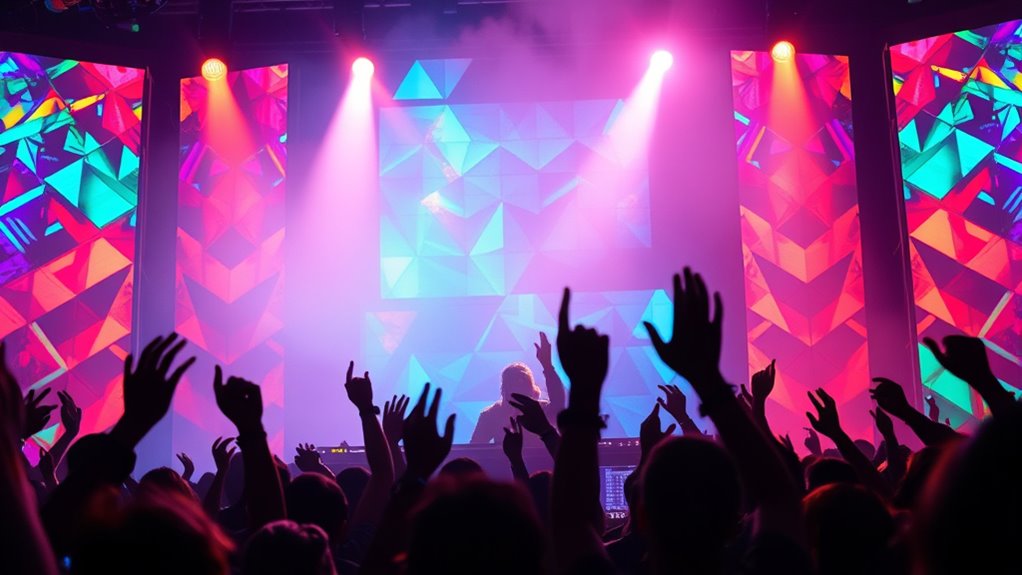
The foundation of a compelling live set is establishing a strong opening. You want to set the mood and establish a connection with your audience right away. This initial phase should feature tracks that are inviting and accessible, allowing the crowd to settle into your rhythm. As you progress, you introduce more dynamic elements, gradually ramping up the energy. This is where dj set dynamics come into play—carefully controlling tempo, intensity, and complexity to build anticipation. You might layer in some deeper, more atmospheric tracks before shifting gears into high-energy bangers that get everyone moving. The key is to balance these shifts so that they feel natural, making transitions feel like a cohesive story rather than abrupt stops and starts.
A strong opening sets the mood, builds connection, and paves the way for a dynamic, cohesive set.
Audience engagement is pivotal in maintaining the set’s flow. As a DJ, you’re not just playing tracks—you’re communicating with your crowd. Pay attention to their reactions, body language, and energy levels. If you notice a dip in enthusiasm, you might switch to a more familiar tune or increase the tempo to reignite their excitement. Conversely, if the energy is peaking, you can sustain it with a series of intense tracks or playful drops. Your ability to read and respond to the audience keeps the momentum alive, making the set feel like a shared journey rather than a series of disconnected songs. Incorporating real-time monitoring of crowd response is essential for adapting your set effectively.
The climax of your performance should feel inevitable, a culmination of carefully curated peaks and valleys. As you approach the end, you’ll want to create a sense of closure—perhaps by gradually winding down or delivering a memorable, high-impact finale. Throughout the set, maintaining a narrative arc helps your audience stay engaged and emotionally invested. Every transition, every track choice, should serve the larger story you’re telling. When you master the art of blending dj set dynamics with audience engagement, your live sets become memorable experiences that resonate long after the last track fades out.

Denon DJ SC LIVE 4 Standalone DJ Controller with Stem Separation on 4-Decks, Wi-Fi Streaming, Build-in Speakers, Serato DJ and Virtual DJ Compatible
Laptop-Free Performances with Engine DJ OS – No computer required for professional DJ performances; Bring music tracks to…
As an affiliate, we earn on qualifying purchases.
As an affiliate, we earn on qualifying purchases.
Frequently Asked Questions
How Do Artists Choose the Order of Their Tracks?
You choose the order of your tracks through thoughtful track sequencing, considering how each song flows into the next. You aim for smooth mood shifts, gradually building energy or easing it down to keep the audience engaged. You also consider key compatibility and thematic elements, ensuring the set feels cohesive. By balancing tempo, vibe, and story, you craft a compelling journey that captures the crowd’s attention from start to finish.
What Role Does Audience Interaction Play in Set Structure?
Imagine your crowd engagement as a vibrant dance floor pulsing with energy. You adapt your set structure in real-time, weaving improvisational moments to heighten excitement. Audience interaction guides your flow, creating spontaneous shifts that respond to the crowd’s mood. This dynamic exchange transforms a planned performance into a shared experience, where your ability to read and react keeps the energy alive, making every moment unpredictable and unforgettable.
How Do Live Sets Differ Across Music Genres?
You’ll notice live sets differ across genres through genre-specific techniques and cultural influences. For example, EDM emphasizes beat drops and high-energy builds, while jazz focuses on improvisation and spontaneous interaction. Cultural influences shape set pacing, song choices, and audience engagement, making each genre unique. Your approach adapts to these differences, blending techniques and cultural elements to craft a compelling performance that resonates with the audience’s expectations and musical roots.
What Equipment Influences the Set’s Flow and Energy?
Imagine your sound system and DJ controller as your heartbeat and pulse. They shape your set’s flow and energy, fueling each shift and drop. A powerful sound system amplifies your vibe, creating immersive waves, while an intuitive DJ controller directs your rhythm effortlessly. Together, they synchronize your performance, turning technical gear into symbols of connection, ensuring your audience feels every beat and moves in perfect harmony with your musical story.
How Do Artists Adapt Their Set for Different Venues?
You adapt your set by evaluating the stage layout and adjusting your performance accordingly. You consider the sound system’s capabilities to optimize your sound, ensuring clarity and energy. You might change your positioning or modify your set to fit the venue’s size and acoustics. Flexibility is key, so you tailor your progressions and volume levels, creating an engaging experience that resonates with the audience regardless of the venue’s unique space and sound setup.

Pioneer DJ DDJ-FLX4 2-deck Rekordbox and Serato DJ Controller – Graphite
COMPATIBLE WITH A HOST OF DEVICES – The DDJ-FLX4 is compatible with a wide range of devices, including…
As an affiliate, we earn on qualifying purchases.
As an affiliate, we earn on qualifying purchases.
Conclusion
Now, as you step back and reflect on the live set’s structure, you realize it’s more than just music—it’s a story waiting to unfold. Every beat, pause, and shift builds anticipation, pulling your audience deeper into the experience. But what’s coming next? The final act remains a mystery, a crescendo just beyond reach. Stay tuned, because the best moments are yet to come, and they’re about to change everything.

OneOdio Wired Over Ear Headphones Hi-Res Studio Monitor & Mixing DJ Stereo Headsets with 50mm Drivers and 1/4 to 3.5mm Jack for AMP Computer Recording Podcast Keyboard Guitar Laptop – Black
Bass Sound: Enjoy clear sound and superior comfort with the OneOdio Studio Monitor Headphones. Equipped with large 50mm…
As an affiliate, we earn on qualifying purchases.
As an affiliate, we earn on qualifying purchases.
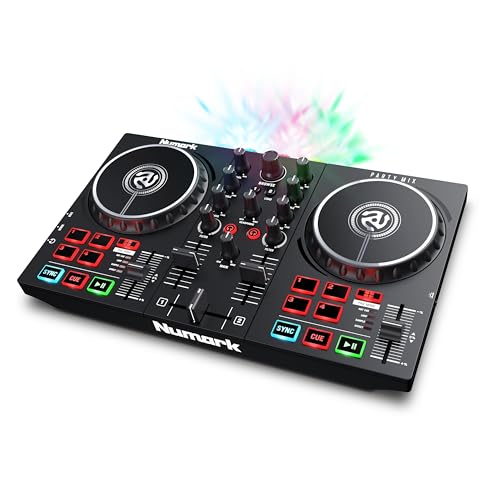
Numark Party Mix II DJ Controller with Lights, 2 Decks, Mixer, Audio Interface and Serato Lite
Complete Serato Lite DJ System – USB DJ Equipment for beginners with 2 DJ decks of control, built-in…
As an affiliate, we earn on qualifying purchases.
As an affiliate, we earn on qualifying purchases.