

To create effective emergency plans, you should clearly identify key contacts like family, coworkers, and emergency services, ensuring everyone knows who to reach. Establish rendezvous points where everyone can gather safely if separated. Assign specific roles, such as helping children or shutting utilities, to streamline your response. Regularly review and rehearse these plans so everyone stays prepared. For detailed steps on establishing and maintaining these vital elements, keep exploring these strategies further.

Get movie nights delivered free with Prime
- Fast, free delivery on millions of items
- Prime Video, Amazon Music and more included
- Member-only deals all year
Key Takeaways
- Designate primary and secondary emergency contacts for quick communication.
- Establish and share clear rendezvous points for team or family reunification.
- Assign specific roles and responsibilities to each individual involved in emergency response.
- Regularly practice and review emergency plans to ensure familiarity with contacts, rendezvous, and roles.
- Maintain updated contact information and ensure all communication devices are functional during emergencies.
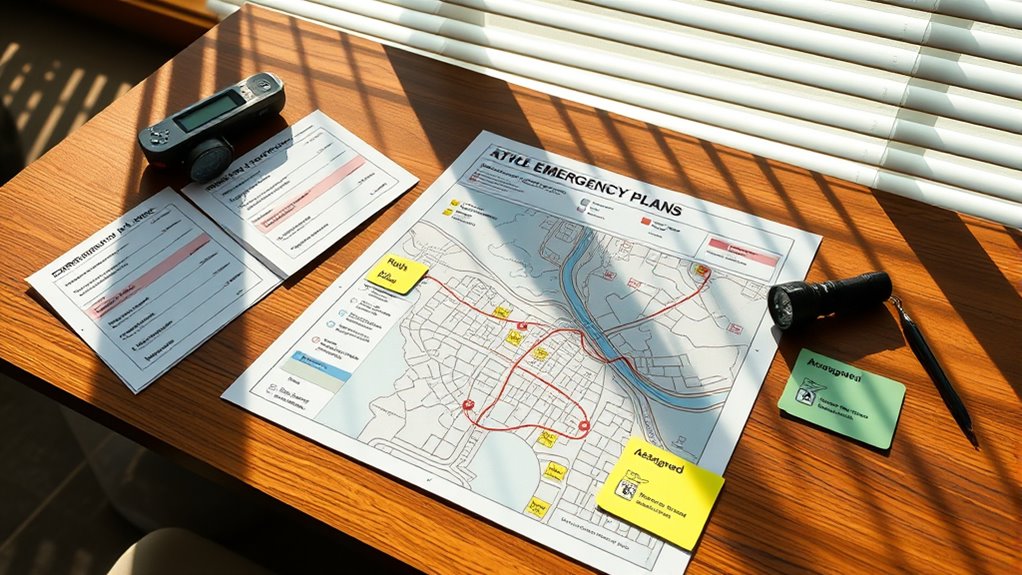
Have you ever considered what you’d do if an emergency suddenly struck? It’s a question that can feel overwhelming, but having a solid plan in place makes all the difference. Your emergency plan should clearly outline evacuation procedures, ensuring you know exactly how to exit safely from any building or area. These procedures are your roadmap during chaos, guiding you step-by-step to avoid panic and confusion. Familiarize yourself with multiple escape routes, identify emergency exits, and know the quickest way to reach safe zones. Practice these routes regularly so they become second nature, and always stay aware of your surroundings to recognize hazards early. This preparedness minimizes delays and guarantees everyone in your group can evacuate quickly and efficiently.
Alongside evacuation procedures, communication protocols play an essential role in managing emergencies. When chaos erupts, staying connected with others can be challenging, but your plan should specify how to communicate effectively. Determine who your primary contacts are—such as family members, coworkers, or emergency services—and establish how you’ll reach them, whether through cell phones, radios, or designated meeting points. Make sure everyone understands which methods to use if normal channels are disrupted. For example, if cell service is down, having a prearranged meeting spot or using two-way radios can save valuable time. Your communication protocols should also include how to share critical information during an emergency, like location updates, injuries, or hazards. Clear, concise messaging helps prevent misunderstandings and allows responders or loved ones to assist you more effectively.
Effective communication plans ensure clarity and coordination during emergencies.
Additionally, your plan should assign specific roles to each person involved. Knowing who is responsible for certain tasks—whether it’s helping children, shutting off utilities, or gathering emergency supplies—can streamline your response. When everyone understands their role, chaos diminishes, and action becomes more organized. Assign roles ahead of time, and rehearse them during drills so each person feels confident and prepared. This teamwork reduces panic, ensures that essential tasks aren’t overlooked, and speeds up your collective response.
Furthermore, understanding the reliable backup power options available to you can be critical in maintaining communication and safety during extended outages. Incorporating backup power solutions, such as standby generators, can help ensure that communication devices and essential equipment remain operational. Incorporating well-defined evacuation procedures and communication protocols into your emergency plan creates a sturdy framework that can withstand the unpredictability of crises. It’s not enough to just have these plans written down; you need to practice them regularly, review them after drills, and update them as needed. When an emergency hits, your preparedness and coordination can make the difference between chaos and a swift, safe response. Remember, the goal is to protect yourself and others, and that starts with understanding and executing your plan confidently.
emergency contact list organizer
As an affiliate, we earn on qualifying purchases.
As an affiliate, we earn on qualifying purchases.
Frequently Asked Questions
How Often Should Emergency Plans Be Reviewed and Updated?
You should review and update your emergency plans at least annually to guarantee they stay current. Conduct regular drills, ideally every six months, to test your plan documentation and identify gaps. After significant changes in personnel, facilities, or procedures, update the plan immediately. Regular reviews help you stay prepared, improve response times, and ensure everyone knows their roles during an emergency.
What Are Common Mistakes to Avoid in Emergency Planning?
You want to avoid overlooking key details in your emergency plan. Skipping regular communication drills can leave your team unprepared, and neglecting clear evacuation routes may cause confusion during a crisis. Don’t assume plans are foolproof; instead, regularly review and test your procedures. Remember, complacency is the biggest risk—by staying proactive and thorough, you ensure everyone knows their role when it truly matters.
How Do I Ensure All Family Members Understand the Plan?
You guarantee your family understands the plan by practicing family drills regularly, making it easier for everyone to memorize their roles. Customize the plan to suit your family’s needs, including clear communication methods and specific rendezvous points. Discuss the plan openly, answer questions, and involve everyone in the planning process. This active participation helps your family feel confident and prepared, making the plan more effective during an actual emergency.
What Tools or Apps Can Assist With Emergency Communication?
When it comes to emergency communication, you’re really hitting two birds with one stone. Satellite phones are reliable for remote areas, ensuring you stay connected no matter what. Emergency apps like FEMA or Red Cross provide instant updates and alerts, making your plan foolproof. Downloading these tools and practicing their use keeps everyone in sync, so you’re prepared to handle any situation without missing a beat.
How Should Plans Be Adapted for Different Types of Emergencies?
You should adapt your emergency plans by customizing evacuation procedures for each situation, like fires or floods. Make certain your emergency kits are accessible and contain essentials relevant to different emergencies. Practice these tailored procedures regularly, so you know what to do quickly. Keep your kits stocked and updated, and communicate specific roles clearly for each type of emergency, helping you stay prepared and respond effectively under stress.
portable two-way radios for emergencies
As an affiliate, we earn on qualifying purchases.
As an affiliate, we earn on qualifying purchases.
Conclusion
Having clear contacts, rendezvous points, and defined roles keeps your emergency plan strong, like a well-oiled machine. When chaos strikes, these details become your anchor, guiding you through the storm. Remember, preparation isn’t a one-time task—it’s your lifeline, steady and reliable. Stay updated, practice regularly, and trust your plan. Like a compass in the dark, your preparedness will lead you safely home when every second counts.
As an affiliate, we earn on qualifying purchases.
As an affiliate, we earn on qualifying purchases.
Halloween Picks
halloween
As an affiliate, we earn on qualifying purchases.