When budgeting for a festival, it’s easy to overlook hidden costs like permits, insurance, and equipment rentals. Staffing, volunteers, and their stipends add up quickly, as do food, sanitation, and security expenses. Don’t forget transportation, contingency funds for emergencies, or last-minute advertising costs. Making sure you account for these areas prevents surprises that can derail your budget. Want to avoid overlooked expenses? Keep going to learn more about managing every detail effectively.
Key Takeaways
- Account for permit and insurance fees early to avoid last-minute budget overruns.
- Include staffing, volunteer stipends, and uniforms in your budget to ensure smooth operations.
- Budget for equipment rentals, transportation, setup, and maintenance costs upfront.
- Plan for sanitation, waste management, and portable facilities to meet safety standards.
- Allocate funds for marketing, signage, emergency repairs, and weather-related contingencies.

Are you wondering how to guarantee your festival stays financially on track? One of the biggest challenges is accounting for costs you might overlook during initial planning. It’s easy to focus on major expenses like artist fees, venue rentals, or marketing, but those hidden or underestimated costs can quickly derail your budget. Being aware of these potential pitfalls allows you to allocate funds appropriately and avoid surprises that threaten your financial stability.
First, think about permits and licensing fees. Many festivals require multiple permits that can vary widely in cost depending on location and size. Overlooking these fees can lead to last-minute expenses that strain your budget. Similarly, insurance costs are often underestimated. You’ll need coverage for liability, event cancellation, and even equipment, and these premiums can be pricier than anticipated. Make sure to get detailed quotes early on so you’re not caught short.
Another often-forgotten expense is staffing and volunteer management. While volunteers can reduce costs, you’ll still need to budget for their training, uniforms, meals, and possibly stipends. If you plan to hire additional staff for security, ticketing, or setup, include these salaries or contractor fees in your estimates. Failing to account for these personnel costs can cause cash flow issues during the event.
Equipment and infrastructure costs are also sometimes overlooked. Beyond the initial rental or purchase of sound, lighting, and staging equipment, don’t forget about ongoing costs like power supplies, generators, and backup systems. Maintenance, transportation, and setup labor for these items add up quickly. If your festival is in a remote location, transportation costs for equipment and staff should be factored in as well.
Food and beverage expenses extend beyond vendor payments. If you’re providing free samples or complimentary drinks, you’ll need to budget for supplies, serving ware, and waste management. Additionally, sanitation stations, portable toilets, and cleaning services are critical for attendee comfort and safety, and these costs are often underestimated. It’s smart to add a contingency line item for unexpected sanitation needs or supply shortages.
Finally, don’t forget about marketing and promotional expenses that aren’t immediately obvious. While social media campaigns are inexpensive, paid advertising, printed materials, and signage can quickly add up. Also, plan for last-minute expenses such as emergency repairs, extra security, or unforeseen weather-related costs. Incorporating detailed planning and thorough research in these areas can significantly improve your budget accuracy. By thoroughly researching and including these often-overlooked expenses in your budget, you’ll set your festival up for financial success and create a smoother planning process from start to finish.
festival permit and license fee calculator
As an affiliate, we earn on qualifying purchases.
As an affiliate, we earn on qualifying purchases.
Frequently Asked Questions
How Can I Estimate Unexpected Expenses Accurately?
You can estimate unexpected expenses accurately by setting aside a contingency fund, typically 10-20% of your total budget. Regularly review and update your estimates as plans evolve, and include potential costs like permits, equipment failures, or weather delays. Talk to vendors and past event organizers for insights. This proactive approach helps you stay prepared and guarantees unexpected costs won’t derail your festival plans.
What Are Hidden Costs Often Overlooked?
Don’t overlook hidden costs that can sneak up on you. You might forget about permits, insurance, or security expenses, which are often underestimated. Extra costs for equipment rental, cleanup, or last-minute changes also add up quickly. Remember, the devil is in the details. Carefully review contracts and ask vendors about any additional fees. Being proactive helps you avoid surprises and keeps your festival running smoothly without breaking the bank.
How to Prioritize Spending During Festival Planning?
To prioritize spending during festival planning, focus on essential costs first, like permits, security, and safety measures. Then, allocate funds for core entertainment and logistics. Avoid overspending on non-essentials until your main expenses are covered. Keep a flexible budget for unforeseen costs, and regularly review your spending to stay on track. This approach guarantees you meet critical needs first and prevent financial surprises later.
Are There Cost-Effective Alternatives for Major Expenses?
You can cut costs by renting equipment instead of buying, opting for local vendors instead of big brands, and choosing simple décor over elaborate setups. Consider volunteers to help with staffing, digital marketing over costly ads, and off-peak scheduling for venue discounts. These alternatives conserve money, stretch your budget, and guarantee your festival stays fun without breaking the bank. Be creative, flexible, and always look for value over expense.
How Do Currency Fluctuations Impact International Festival Budgets?
Currency fluctuations can considerably impact your festival budget by making international expenses more expensive or cheaper. When the local currency weakens against your home currency, costs for imported goods, artists, or services increase, straining your budget. Conversely, a stronger local currency can reduce costs. To manage this, you should monitor exchange rates regularly, consider locking in rates with forward contracts, and build contingency funds to cover potential fluctuations.
event insurance coverage for festivals
As an affiliate, we earn on qualifying purchases.
As an affiliate, we earn on qualifying purchases.
Conclusion
Remember, when planning your festival budget, don’t overlook the small stuff—those hidden costs can sneak up on you. Keep track of every expense, no matter how minor, and double-check your estimates. It’s better to be safe than sorry, as the old saying goes. By staying organized and detail-oriented, you’ll avoid surprises and keep your event running smoothly. After all, a well-planned budget is the key to a successful, stress-free festival.
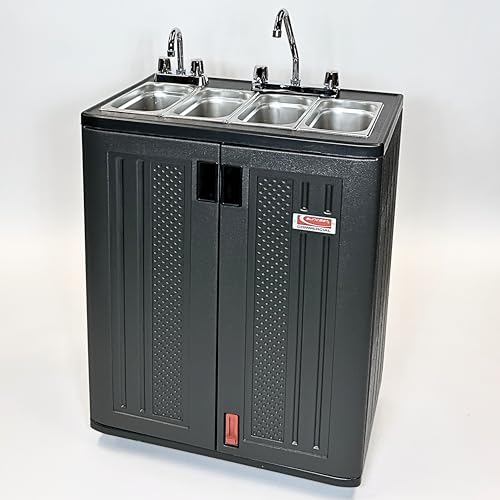
Concession Sinks – Portable Sink Hand Wash Station, 4 Compartment Basin with Hot Water, Standard Size, Food Trailer Equipment, Free Standing Utility Sink, Hand Washing Station
✅ All-in-One Portable Hand Washing Station – This concession sink combines a portable sink, hand wash sink, and…
As an affiliate, we earn on qualifying purchases.
As an affiliate, we earn on qualifying purchases.
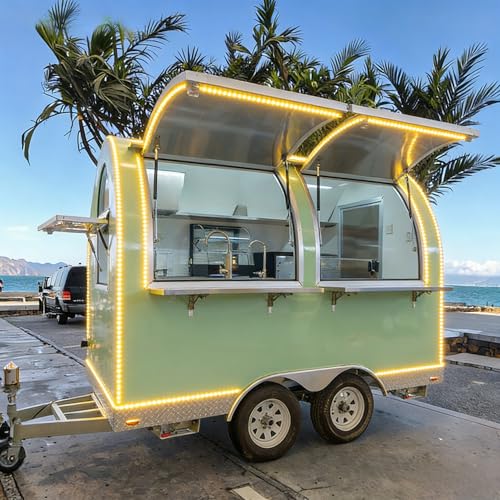
Event Food Trailer Truck – Multi‑Purpose Mobile Catering Trailer for Festivals, Fairs, and Private Events, Fully Equipped Concession Trailer with Quick Setup for Rental Fleet Operators
Event Food Trailer – Designed specifically for the event catering and rental market, this versatile mobile kitchen trailer…
As an affiliate, we earn on qualifying purchases.
As an affiliate, we earn on qualifying purchases.