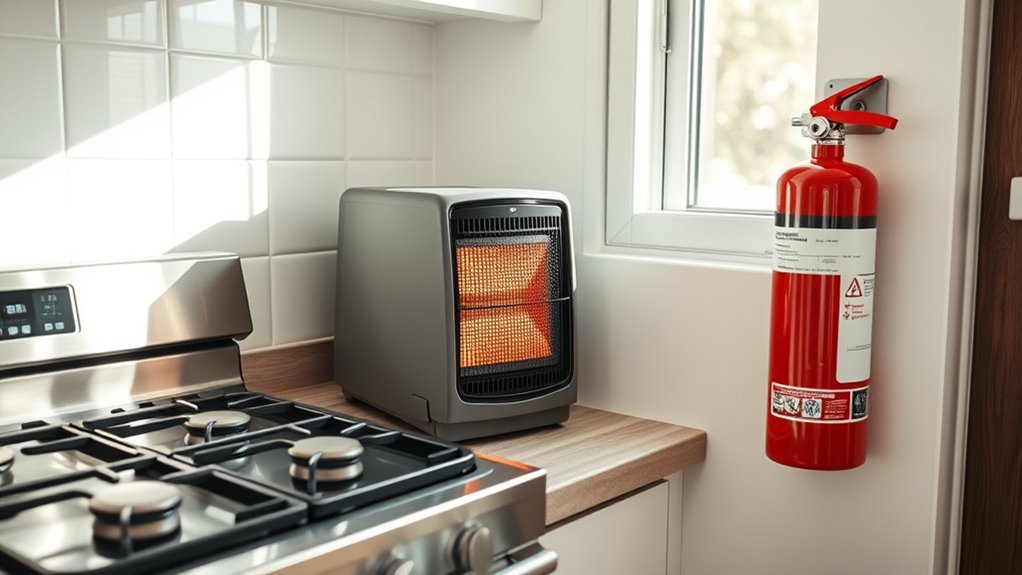
To guarantee fire safety with stoves, heaters, and extinguishers, always keep your appliances well-maintained and away from flammable objects. Use extinguishers properly, and know when to use different types for fires. Regularly check carbon monoxide and smoke detectors, and practice escape plans. Keep exits clear and lighting adequate. Staying proactive and aware helps prevent accidents; exploring more safety tips can give you peace of mind and keep everyone protected.
Key Takeaways
- Regularly inspect and clean stoves and heaters to prevent grease buildup and ensure proper operation.
- Keep fire extinguishers accessible, properly maintained, and suitable for kitchen or heating fires.
- Install smoke and carbon monoxide detectors near stoves, heaters, and sleeping areas; test monthly.
- Never leave cooking or heating appliances unattended to reduce fire risk.
- Follow manufacturer guidelines for safe use and maintenance of all heating appliances and fire safety devices.
Fire safety prep is crucial for protecting yourself and your loved ones in case of an emergency. One of the most critical steps you can take is ensuring that your home has clear and accessible fire escape routes. You should routinely check that pathways are unobstructed and easy to navigate, especially from bedrooms and common areas. Practice your escape plan so everyone knows how to exit quickly and safely. Keep in mind that in a fire, visibility can be limited, so knowing your routes in advance can make all the difference between safety and danger. Mark these routes with clear signage or markings if possible, and consider installing additional lighting along escape paths to guide you during a blackout. Your fire escape routes should be reviewed regularly, especially if you make modifications to your home or furniture arrangements.
Alongside planning escape routes, smoke detector maintenance is essential. Smoke detectors are your first line of defense, alerting you to danger before a fire gets out of control. You should test your smoke alarms at least once a month by pressing the test button and replacing batteries annually or as needed. Dust and debris can impair their function, so cleaning the sensors with a soft cloth or vacuuming around them helps ensure they work properly. Remember, smoke detectors are most effective when installed on every level of your home, especially near bedrooms and living spaces. Combining smoke detector maintenance with a regular review of your fire escape routes creates a thorough approach to fire safety. It’s also wise to have additional fire safety devices, like carbon monoxide detectors, and to replace them according to the manufacturer’s instructions. Additionally, understanding fire safety concepts can help you better prepare for emergencies and ensure your safety measures are comprehensive.

Kidde Kitchen Fire Extinguisher, 711A, RESSP
- Reliable fire protection: Stops tough grease fires
- Kitchen fire extinguisher: Flared nozzle reduces oil splashing
- All-metal construction: Rust and impact-resistant handle
As an affiliate, we earn on qualifying purchases.
As an affiliate, we earn on qualifying purchases.
Frequently Asked Questions
How Often Should I Replace My Fire Extinguishers?
You should replace your fire extinguisher every 5 to 15 years, depending on its extinguisher lifespan. Regular fire extinguisher inspection is essential; check the pressure gauge, seals, and overall condition monthly. If it’s damaged, expired, or the pressure gauge isn’t in the operational zone, substitute it immediately. Proper maintenance ensures your extinguisher works when you need it most, keeping you and your home safe.
What Are the Most Common Causes of Stove Fires?
The most common causes of stove fires include gas leaks and electrical faults. You might accidentally leave the stove unattended or neglect to check for gas leaks, which can quickly ignite. Electrical faults, like faulty wiring or damaged cords, can also spark fires. Always stay attentive when cooking, regularly inspect your stove’s wiring, and guarantee gas connections are secure to prevent these hazards from causing fires.
How Can I Prevent Heater Tip-Over Incidents?
Think of your heater like a delicate tower of blocks—stability matters. To prevent tip-over incidents, make certain proper heater stabilization by securing it to the wall or using sturdy, non-slip mats. Always follow tip-over prevention guidelines and regularly check for loose cords or unstable positioning. By taking these steps, you keep your home safe, just like a well-balanced structure that stands firm against life’s bumps.
Are There Specific Fire Safety Codes for Portable Heaters?
Yes, there are specific fire safety codes for portable heaters. You should follow fire safety regulations and portable heater standards to guarantee safe use. Make sure your heater complies with local codes, uses an automatic shut-off feature, and is placed on a stable, non-flammable surface. Regularly inspect the cords and vents, and keep combustible materials away. Following these guidelines helps prevent fires and keeps your home safe.
What Maintenance Is Required for Smoke Detectors?
You should test your smoke detector batteries monthly to guarantee they’re working properly. Additionally, clean the dust off the sensor and vents at least once every few months, as dust can interfere with detection. Replace the batteries annually or if the alarm chirps. Regular maintenance keeps your smoke detector functioning correctly, giving you early warning in case of fire. Stay vigilant to protect yourself and your loved ones.
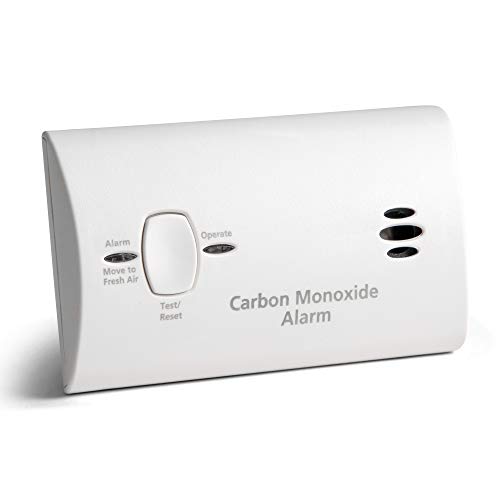
Kidde Carbon Monoxide Detector, AA Battery Powered, Portable for Travel or Home, 85 dB Alarm, LED Status Indicators, 3rd Edition
- Sensor Technology: Electrochemical CO detection
- Easy Installation: No wiring, portable on wall or tabletop
- Power Source: Operates on 2-AA batteries included
As an affiliate, we earn on qualifying purchases.
As an affiliate, we earn on qualifying purchases.
Conclusion
By staying prepared with working stoves, heaters, and extinguishers, you’re taking control of your safety. Regular checks and quick action can prevent small sparks from turning into big fires. Remember, an ounce of prevention is worth a pound of cure—stay vigilant and keep your home safe. When you’re ready, you’ll breathe easier knowing you’ve done all you can to protect yourself and your loved ones from fire hazards.

First Alert Battery Smoke Alarm
- Advanced sensing technology: Reduces false alarms, early fire warning
- Battery-operated design: Easy to install and maintain
- Front access battery compartment: Simple battery replacement
As an affiliate, we earn on qualifying purchases.
As an affiliate, we earn on qualifying purchases.

Fire escape sign (Red, reflective, aluminium rust free, size 3×12 inch,w)
- Material: Rust-free aluminum for durability
- Size: 3×12 inch compact design
- Application: Suitable for commercial and outdoor use
As an affiliate, we earn on qualifying purchases.
As an affiliate, we earn on qualifying purchases.