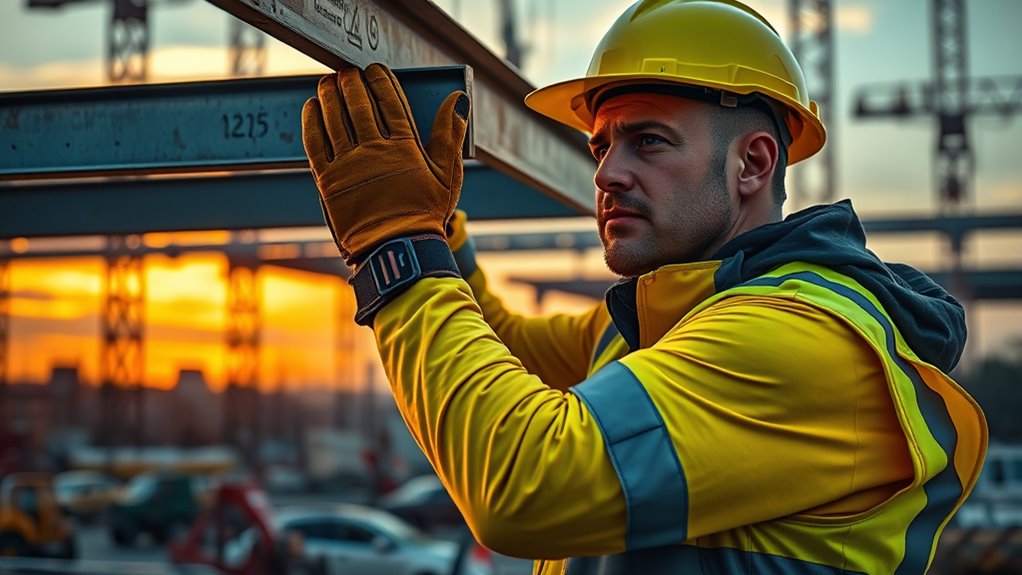

As a working crew member, staying fit, using PPE properly, and managing your work hours are essential for safety. Being physically prepared boosts strength and coordination, reducing injury risk. Always wear well-fitted PPE and follow safety protocols to protect yourself. Regulating your work hours and taking regular breaks prevent fatigue and keep your focus sharp. Prioritizing these aspects helps maintain a safe environment—continue to explore how each element keeps you safer on the job.
Key Takeaways
- Maintain physical fitness to improve strength, coordination, and reaction times, reducing injury risk during work tasks.
- Always wear properly fitted PPE to protect against hazards and ensure safety compliance on site.
- Take regular breaks to rest, hydrate, and stretch, preventing fatigue and maintaining alertness during shifts.
- Follow safety protocols consistently, including machinery handling and hazard awareness, to minimize accidents.
- Report equipment issues promptly and adhere to maintenance routines to ensure safe and reliable tools and machinery.

Ensuring a safe and efficient work environment begins with understanding the importance of fitness, proper PPE, and regulated working hours. When you’re on the job, following safety protocols is essential to protect yourself and your colleagues. These protocols aren’t just guidelines—they’re critical rules designed to prevent accidents and injuries. You need to stay alert and aware of your surroundings, especially when handling heavy machinery or hazardous materials. Regularly reviewing safety procedures ensures you’re up-to-date on the best practices, reducing the risk of mistakes. Additionally, equipment maintenance plays an essential role in safety. Well-maintained tools and machinery operate smoothly, minimizing malfunctions that could lead to accidents. It’s your responsibility to report any issues with equipment immediately and ensure that maintenance routines are followed diligently. Proper safety protocols and equipment maintenance go hand in hand; neglecting either can compromise the entire work environment.
Your fitness level directly impacts how well you perform your tasks and how resilient you are to workplace hazards. Staying physically fit improves your strength, endurance, and coordination, which are all fundamental for maintaining safety standards. Before starting your shift, ensure you’re rested and energized. Fatigue can impair judgment and slow reaction times, increasing the likelihood of accidents. Incorporate stretching and warm-up exercises to prepare your body for physically demanding tasks. Remember, working long hours without adequate rest can lead to burnout and reduce your focus, making safety protocols harder to follow. Regulating working hours isn’t just about productivity; it’s about protecting your health and safety. Take regular breaks to recharge, hydrate, and stretch, which keeps your body in prime condition and sharpens your focus. Recognizing the importance of fitness and health can significantly reduce workplace injuries and improve overall safety.
Personal protective equipment (PPE) is your frontline defense against workplace hazards. Wearing the right PPE—such as helmets, gloves, eye protection, and safety boots—significantly reduces injury risks. Make sure your PPE fits properly and is in good condition; damaged or ill-fitting gear can be ineffective. Don’t take shortcuts by neglecting PPE requirements, even during seemingly minor tasks. Your commitment to wearing appropriate gear demonstrates your understanding of safety importance and helps foster a safety-conscious culture on-site. Coupled with strict adherence to safety protocols, PPE acts as your armor, but it’s only effective if used consistently and correctly. Finally, maintaining your physical fitness, respecting regulated working hours, and following safety protocols with proper equipment maintenance all work together to create a safer, more productive work environment. Your vigilance and discipline are key to ensuring everyone goes home safe at the end of each shift.
Frequently Asked Questions
How Often Should Crew Members Update Their Fitness Assessments?
You should update your fitness assessment annually to guarantee your fitness renewal stays current. Regular assessment frequency helps identify any changes in your physical condition, keeping you prepared for job demands. By scheduling these evaluations yearly, you maintain compliance with safety standards and reduce injury risks. Stay proactive about your health; an annual fitness renewal reassures you’re fit for work and supports ongoing safety and performance on-site.
Are There Specific PPE Requirements for Different Work Environments?
You need to wear specific personal protective equipment (PPE) tailored to your work environment. For example, construction sites require hard hats, safety goggles, and steel-toed boots, while chemical plants demand respirators, chemical-resistant gloves, and aprons. Always assess your work environment first, then select the appropriate PPE to guarantee safety. Follow your company’s guidelines and OSHA regulations to stay protected and compliant in any work setting.
What Are the Legal Limits on Working Hours for Crew Members?
Work hour regulations vary by location, but generally, you shouldn’t exceed 40 hours per week without overtime pay. Many regions enforce legal compliance through limits like 8-hour shifts and mandatory rest periods. Always stay informed about your local laws to make certain you’re not working beyond legal limits. Adhering to these regulations helps protect your health and rights, and your employer’s legal obligations.
How Can Crew Members Report PPE Deficiencies or Safety Concerns?
Reporting PPE issues is like sounding an alarm—urgent and clear. You should follow established reporting procedures, such as notifying your supervisor or safety officer immediately. Use PPE inspection protocols to regularly check your equipment and document any deficiencies. If you notice unsafe conditions, don’t delay—report them right away to ensure prompt action, protecting everyone on site. Your quick response helps keep the work environment safe for all.
What Accommodations Are Available for Crew With Health Issues?
If you have health issues, you can request medical exemptions or ergonomic adjustments to help facilitate your needs. Speak with your supervisor or safety officer about your specific condition, and they’ll guide you through the process. These accommodations ensure you can work safely and comfortably, reducing strain or risks associated with your health concerns. Always communicate openly so they can support you with the appropriate adjustments or exemptions.
Conclusion
Staying fit, wearing the right PPE, and managing your hours keeps your safety net strong, like a well-woven tapestry. When you prioritize these aspects, you not only protect yourself but also guarantee smooth sailing through every shift. Think of it as tending your own engine—regular upkeep keeps everything running smoothly. So, stay vigilant, stay prepared, and keep yourself in top shape—your safety is the solid ground beneath your feet.