
To prevent blisters, choose well-fitting, breathable shoes that aren’t too tight or loose, and wear moisture-wicking socks to keep your feet dry. Keep your skin hydrated with regular moisturizers and apply blister prevention balms on prone areas. Always check for early signs of irritation or redness and take prompt action if you notice discomfort. Understanding these steps can help you avoid common foot issues—if you want to learn more, stay tuned for simple yet effective tips.
Key Takeaways
- Wear properly fitting, breathable shoes to prevent friction and pressure on the skin.
- Use moisture-wicking socks and keep feet dry to reduce blister-causing moisture buildup.
- Apply moisturizer regularly to keep skin hydrated and resilient against friction.
- Protect vulnerable areas with blister prevention balms or lubricants like petroleum jelly.
- Monitor feet for early signs of irritation and address discomfort promptly to prevent blister formation.
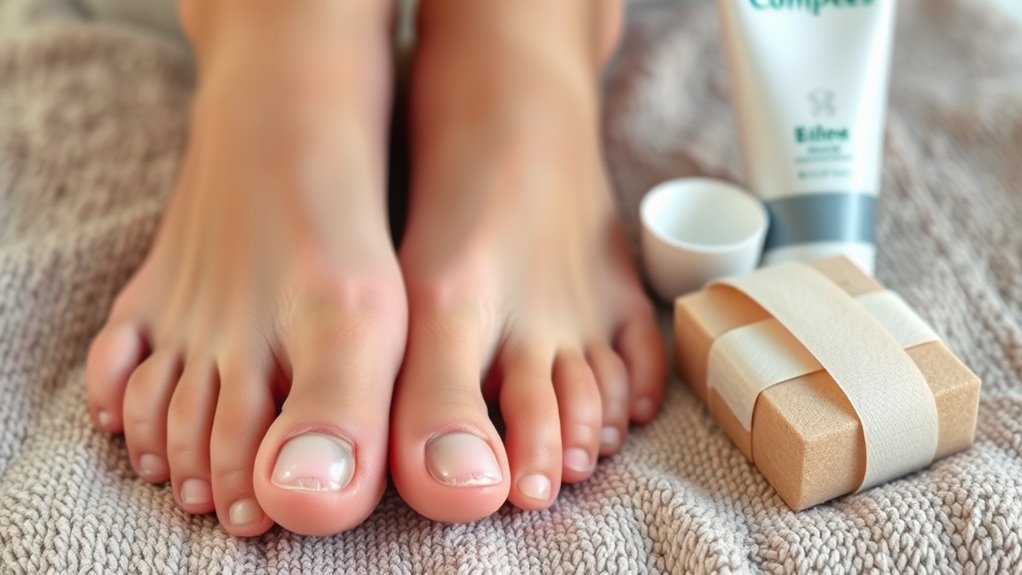
Taking good care of your feet is essential to prevent blisters and keep them healthy. One of the most effective ways to do this is by choosing proper footwear. Ill-fitting shoes are a common cause of blisters because they cause unnecessary friction and pressure on your skin. Make sure your shoes fit well—neither too tight nor too loose—and provide enough room for your toes to move freely. Opt for shoes made from breathable materials to allow proper airflow, which helps reduce moisture buildup that can soften your skin and increase blister risk. When trying on shoes, walk around in them to ensure they don’t rub or pinch in any areas, especially around the heels and toes. Remember, the right footwear not only protects your feet but also minimizes the friction that leads to blisters.
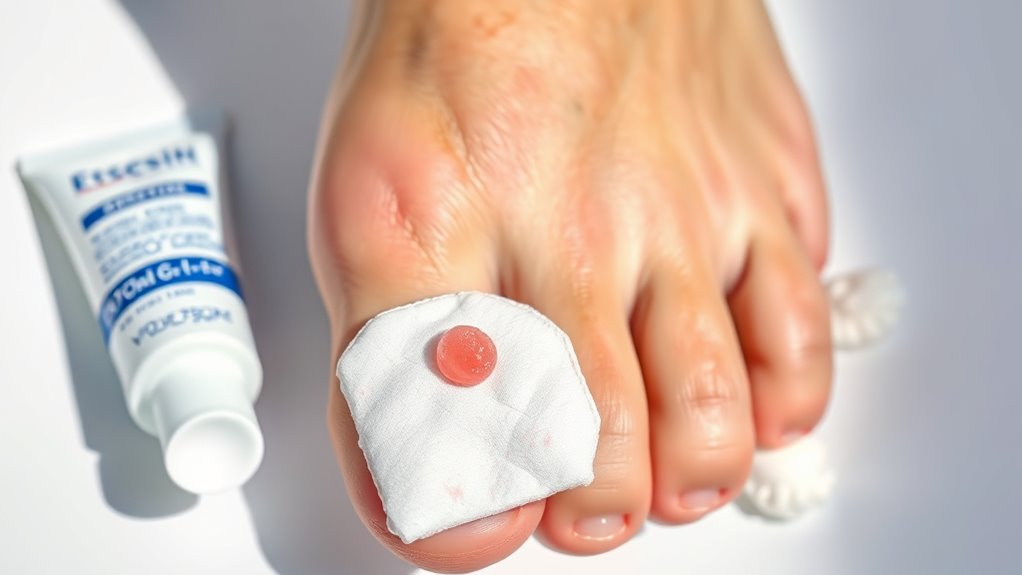
In addition to choosing proper footwear, paying attention to skin hydration plays a vital role in blister prevention. Well-hydrated skin is more resilient and less prone to cracking or blistering under pressure. You should regularly apply a good moisturizer or foot cream, especially after washing your feet. This keeps the skin soft, supple, and resistant to friction. Avoid letting your skin become dry or calloused, as rough patches can increase the likelihood of blisters forming when shoes rub against them. Hydrated skin acts as a natural barrier, reducing the chance of blisters developing from minor irritation. For added protection, consider using lubricants like petroleum jelly or specialized blister prevention balms on areas prone to rubbing. These create a slick surface that lessens friction between your skin and footwear, especially during long walks or intense physical activities. Incorporating moisture-wicking socks can also help keep your feet dry and further reduce blister risk.
Taking these simple steps—selecting proper footwear and maintaining skin hydration—can significantly lower your risk of blisters. It’s especially important if you’re planning extended periods on your feet or engaging in sports and outdoor activities. Regularly inspecting your feet for signs of irritation or redness can help catch problems early before blisters form. If you notice any discomfort, adjust your footwear or apply soothing creams immediately. Wearing moisture-wicking socks can further reduce friction and keep your feet dry, which is crucial because wet skin is more susceptible to blisters. Remember, prevention is always better than treatment. By paying attention to your footwear choices and keeping your skin moisturized, you’ll set a strong foundation for healthy, blister-free feet.

Body Glide Foot Glide Anti Blister Balm | blister prevention for heels, shoes, cleats, boots, socks, and sandals | Use on toes, heel, ankle, arch, sole and ball of foot | 0.8oz
No More Blister Bandages for Feet | Blister prevention to avoid the need for treatment & first aid
As an affiliate, we earn on qualifying purchases.
As an affiliate, we earn on qualifying purchases.
Frequently Asked Questions
Can Blisters Be Contagious?
Blisters themselves aren’t contagious, but blister transmission can occur if they’re caused by contagious skin conditions like herpes or chickenpox. You should avoid sharing footwear, socks, or towels if you suspect an infectious skin condition. Keep blisters clean and covered to prevent spreading of contagious germs. If you notice persistent or painful blisters, consult a healthcare professional to rule out contagious skin conditions and get appropriate treatment.
Are There Natural Remedies for Blister Pain Relief?
You can find relief for blister pain with natural remedies like herbal ointments and home remedies. Applying aloe vera gel soothes inflammation and promotes healing, while honey’s antibacterial properties help prevent infection. Cold compresses reduce pain and swelling, and tea tree oil, diluted properly, can disinfect. Always keep the blister clean and avoid popping it, but these natural remedies can ease discomfort while supporting your body’s healing process.
How Do I Prevent Blisters From New Shoes?
To prevent blisters from new shoes, ensure proper shoe fitting by choosing shoes with enough room for your toes and avoiding tight spots. Prioritize moisture management by wearing moisture-wicking socks to keep your feet dry, as damp skin increases blister risk. Break in new shoes gradually, wearing them for short periods first. This approach helps your feet adapt and reduces friction, markedly lowering the chances of blisters forming.
When Should I See a Doctor for a Blister?
You should see a doctor for a blister if it’s large, painful, or shows signs of infection like redness, warmth, or pus. Also, if you have underlying conditions like diabetes, seek medical advice sooner. Different blister types, such as blood blisters or infected blisters, require professional care. To prevent blisters, keep your feet dry, wear properly fitted shoes, and use protective padding. Don’t ignore persistent or worsening blisters.
Can Blisters Lead to Infections if Untreated?
A blister untreated can be like a open door inviting trouble, increasing your infection risk. If you don’t let it heal properly, bacteria can sneak in, causing infection or delaying blister healing. Keep the blister clean, avoid popping it, and watch for redness or pus. If signs of infection appear, see a doctor promptly. Taking care now helps prevent bigger problems later!

IRAMY Compression Socks for Women Men Coolmax Moisture Wicking Ankle Support Socks Plantar Fasciitis Relief 3 Pairs
Stay Supported Stay Active – 6 ankle compression rings and reinforced arch support keeps you stable. Whether you're…
As an affiliate, we earn on qualifying purchases.
As an affiliate, we earn on qualifying purchases.
Conclusion
Taking good care of your feet can prevent blisters and keep you comfortable. Remember to wear properly fitting shoes and stay aware of any hotspots. Apply first aid promptly if a blister forms to avoid infection. Did you know that about 85% of runners experience blisters during training? Staying proactive with foot care not only prevents pain but also keeps you moving confidently. Prioritize your foot health—your daily activities depend on it!
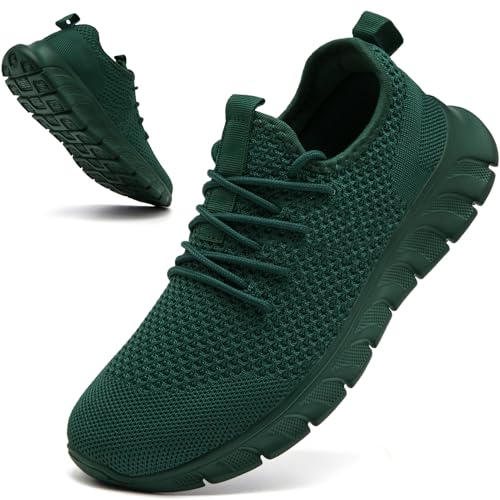
Green Sneakers for Womens Mens Gym Shoes Tennis Running Unisex Athletic Shoes Breathable Walking Slip on Sneaker Size Women 8/ Men 6.5
Running shoes for mens/womens: Upgrade your run with breathable mesh shoes designed to move with you. The flexible,…
As an affiliate, we earn on qualifying purchases.
As an affiliate, we earn on qualifying purchases.

Gold Bond Softening Foot Cream, 4 oz., Foot Lotion with Shea Butter to Soften Rough & Dry Feet
A foot care formula that helps condition and soften feet
As an affiliate, we earn on qualifying purchases.
As an affiliate, we earn on qualifying purchases.