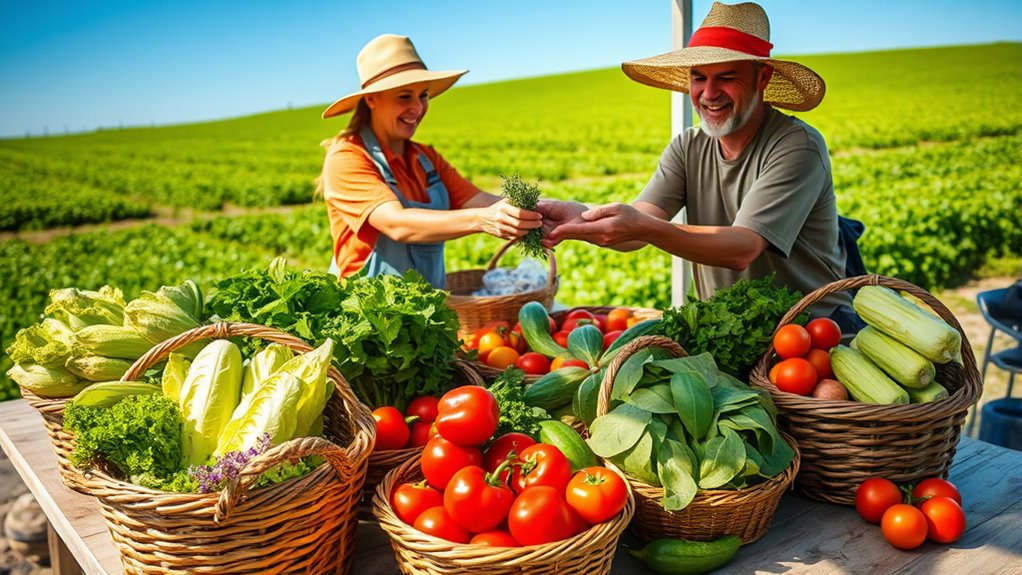

To keep food safe in the field without a fridge, focus on strict hygiene, proper storage, and temperature control. Wash your hands and utensils thoroughly, store perishables in shaded, cool areas using insulation or burying in soil if needed. Keep dairy, meats, and seafood as cold as possible and check temperatures regularly. Use fresh ingredients and label everything clearly. Proper handling reduces spoilage and prevents foodborne illnesses—continue for more tips to guarantee safety in your field setup.

Get movie nights delivered free with Prime
- Fast, free delivery on millions of items
- Prime Video, Amazon Music and more included
- Member-only deals all year
Key Takeaways
- Keep perishable foods in shaded, cool locations or buried in soil to maintain low temperatures without refrigeration.
- Use insulated containers and ice packs during transport to prevent spoilage.
- Regularly monitor food temperatures, aiming for below 40°F (4°C) to inhibit bacterial growth.
- Practice strict hygiene, including handwashing and sanitizing utensils, to prevent cross-contamination.
- Prioritize the use of fresh ingredients and implement FIFO to reduce spoilage risk in the field.
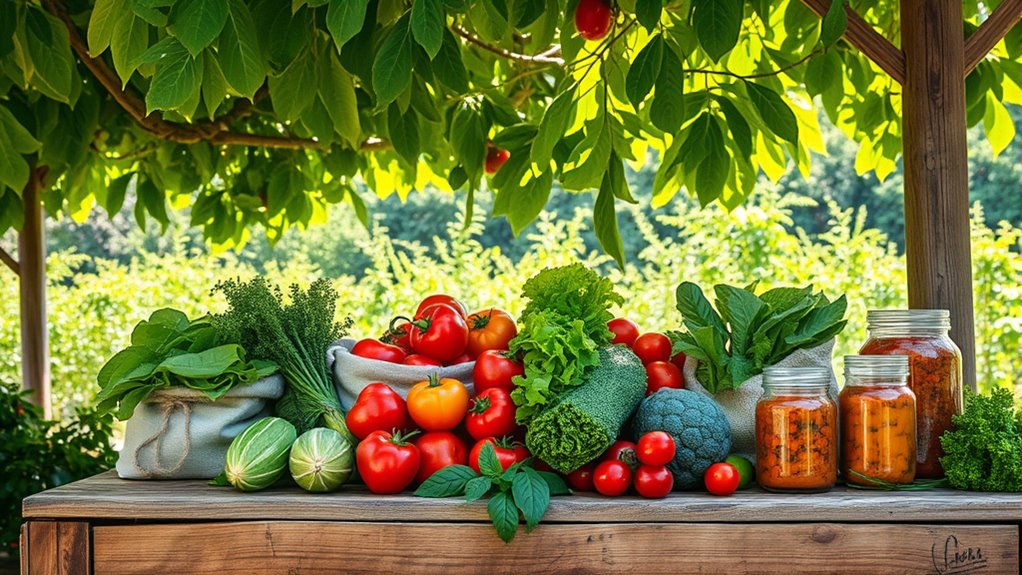
Ensuring food safety in the field is essential to protect both consumers and producers. When you’re working outdoors, whether on a farm, at a market, or during a food event, the risks of contamination and spoilage increase without the convenience of refrigeration. To keep your produce, meats, or dairy safe, you need to adopt specific practices that minimize bacteria growth and prevent foodborne illnesses. This begins with proper handling from the moment you harvest or prepare your food.
Start by maintaining good hygiene. Wash your hands thoroughly with soap and clean water before handling any food, and encourage others working with you to do the same. Keep cutting boards, knives, and containers sanitized, especially when switching between raw and cooked foods. Use clean cloths or disposable towels to dry your hands and utensils, avoiding cross-contamination. When transporting food, keep perishable items in coolers with ice packs or ice substitutes. Even in warm weather, this helps prevent bacteria from multiplying rapidly.
Practice good hygiene by washing hands and sanitizing tools to prevent cross-contamination during field food handling.
Temperature control is vital; some foods are particularly vulnerable to spoilage at ambient temperatures. For example, dairy products, cooked meats, and seafood should be kept as cool as possible. If refrigeration isn’t available, consider traditional methods such as burying food in cool, shaded soil or using evaporative cooling techniques with damp cloths. These methods can extend the safe window for perishable items but require careful monitoring. Regularly check the temperature of stored foods to confirm they stay within safe limits, ideally below 40°F (4°C) for perishables. Additionally, understanding the importance of contrast ratio in visual displays can help ensure that the food presentation is appealing and highlights freshness.
Pay close attention to the source of your food. Always select fresh, high-quality ingredients from reputable suppliers. Inspect produce for signs of mold, rot, or insect damage before use. When processing food in the field, avoid touching raw ingredients with your hands after handling contaminated surfaces or animals. Use clean gloves if necessary, and dispose of waste properly to prevent attracting pests or contaminating other foods.
Finally, label your food clearly with purchase or harvest dates, and prioritize using older items first. Implementing a first-in, first-out system helps reduce waste and guarantees the freshest, safest food is served. By following these practices, you can considerably reduce risks, even without a fridge, and provide safe, high-quality products to your customers or community. Staying vigilant about cleanliness, temperature, and proper handling makes a real difference in maintaining food safety in the field.
As an affiliate, we earn on qualifying purchases.
Frequently Asked Questions
How Can I Tell if Food Has Spoiled Without Refrigeration?
You can tell if food has spoiled by checking its smell, appearance, and texture. If it smells sour or off, looks moldy or discolored, or feels slimy or sticky, it’s best to discard it. Trust your senses—don’t taste questionable food. Also, consider how long it’s been stored; if it’s been a few days without refrigeration, it’s safer to throw it out to avoid foodborne illness.
What Are the Best Natural Preservatives for Outdoor Food Storage?
Imagine turning your outdoor picnic into a science experiment with natural preservatives. You’ll want to use salt, vinegar, honey, or lemon juice—they’re like superhero protectors for your food, fighting off spoilage bacteria and mold. Salt draws out moisture, vinegar acidifies, and honey or lemon’s natural acids create an unwelcoming environment for germs. Keep your food fresh and safe, thanks to these natural guardians that don’t need a fridge!
How Do I Prevent Insect Contamination in Field Foods?
To prevent insect contamination in field foods, you should store your food in airtight containers or sealed bags to block insects from getting in. Keep your storage areas clean and dry, removing any food scraps or debris that attract bugs. Consider using natural repellents like herbs or essential oils around storage areas. Regularly check your supplies for signs of insects, and promptly discard infested items to keep your food safe.
Are There Specific Packaging Materials Recommended for Field Food Safety?
Imagine you’re working in the field, and you choose woven polypropylene bags for packing fresh produce. These bags are breathable, preventing moisture buildup that attracts insects and mold. They also resist tearing, reducing contamination risks. Using such specific packaging materials helps maintain food safety by limiting exposure to pests and environmental factors. Always select packaging suited to your produce, ensuring it stays fresh, safe, and undamaged during storage and transport.
How Long Can Cooked Food Safely Stay Outside Without Refrigeration?
You should generally not leave cooked food outside for more than two hours. If the temperature is above 90°F (32°C), cut that time down to just one hour. Bacteria can grow rapidly in cooked foods kept at unsafe temperatures, risking foodborne illness. To stay safe, keep cooked foods hot (above 140°F) or cold (below 40°F) and consume them within these time frames.
As an affiliate, we earn on qualifying purchases.
Conclusion
Just like explorers braving new frontiers, you can keep your food safe without a fridge. By following simple tips, you become the hero of your own culinary adventure, ensuring freshness and safety no matter where you are. Remember, as the pioneers of old relied on resourcefulness, so can you—trust your instincts, stay vigilant, and conquer food safety in the field. Your journey to fresh, safe food starts now—no fridge required.
food storage containers for camping
As an affiliate, we earn on qualifying purchases.
As an affiliate, we earn on qualifying purchases.
As an affiliate, we earn on qualifying purchases.
Halloween Picks
halloween
As an affiliate, we earn on qualifying purchases.