
To safeguard your medications from heat and light, store them in a cool, dry place away from direct sunlight and heat sources like radiators or ovens. Use light-resistant containers or keep them in their original packaging to prevent exposure. Follow storage instructions on labels, especially for medicines requiring refrigeration. Regularly check expiration dates and inspect packaging for damage. Proper storage helps keep your medications effective longer, and learning more will show you how to ensure they stay safe and potent.
Key Takeaways
- Store medications in a cool, dry place away from direct sunlight and heat sources.
- Use light-resistant or opaque containers, preferably keeping medications in their original packaging.
- Follow specific storage instructions, such as refrigeration, for medications that require it.
- Avoid exposing medicines to bathroom humidity or temperature fluctuations.
- Regularly inspect packaging for damage and check expiration dates to ensure safety and potency.
Have you ever wondered how to keep your medications safe and effective? Proper storage is essential to ensure they work as intended and don’t lose potency over time. One of the most important aspects of medication safety involves understanding storage guidelines and packaging considerations. When medications are exposed to heat and light, they can degrade, become less effective, or even turn harmful. That’s why paying close attention to how you store your medicines is crucial.
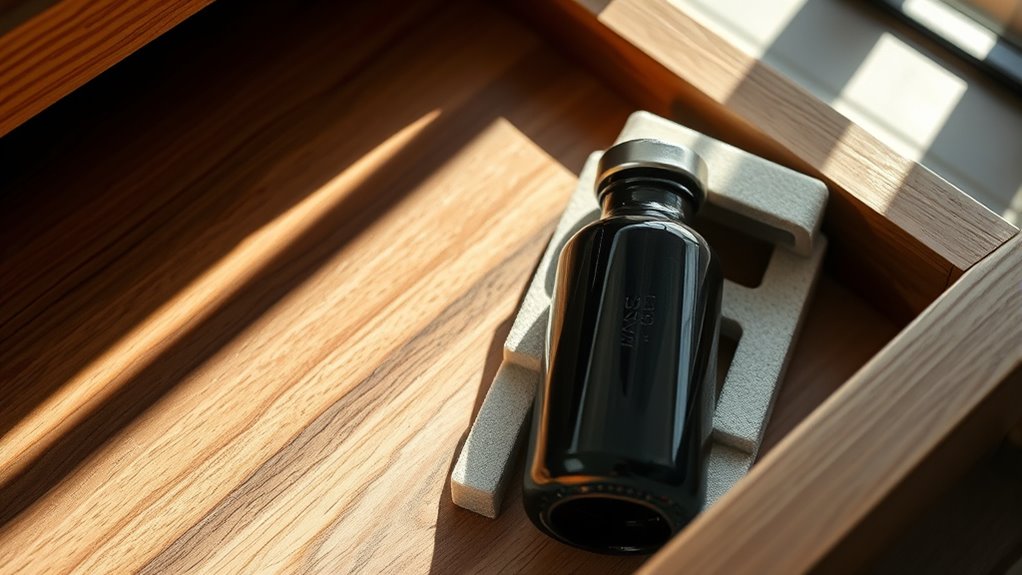
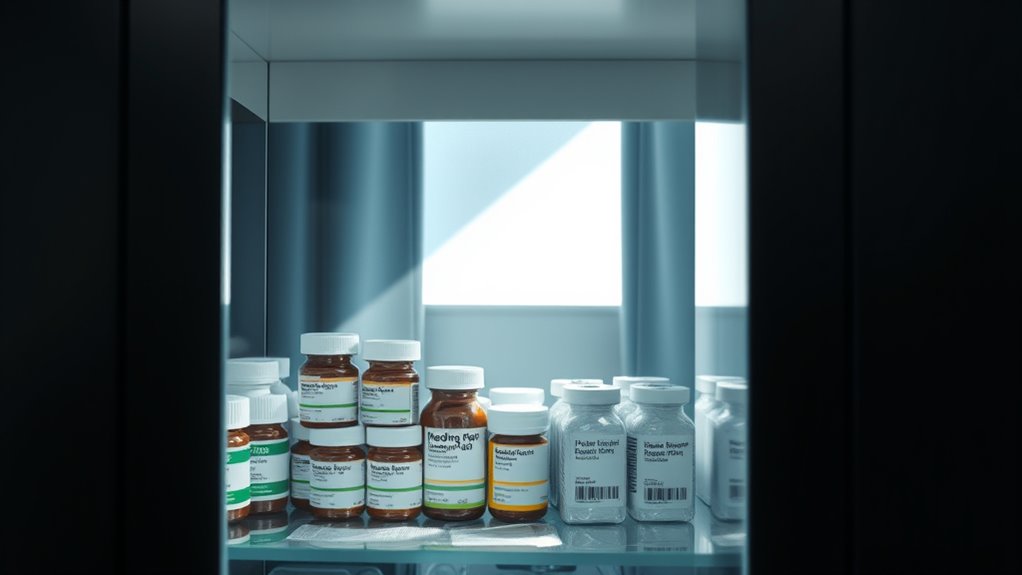
Start by reading the storage guidelines on your medication labels or patient information leaflets. These instructions are tailored to each medication’s specific needs. Most medications should be stored in a cool, dry place away from direct sunlight. A cabinet or drawer in your home’s interior often works well, as long as it’s not near heat sources like radiators, ovens, or windows that let in sunlight. Avoid storing medicines in the bathroom, where humidity and temperature fluctuations can compromise their stability. Keeping medications in a consistent environment helps maintain their potency and reduces the risk of spoilage.
Read medication labels carefully and store in a cool, dry place away from sunlight and heat sources.
Packaging considerations also play a significant role in protecting your medications. Many drugs come in light-resistant containers or opaque bottles designed to block out harmful light. Always keep your medicines in their original packaging if possible, especially if they come in child-resistant bottles or tamper-evident packaging. These containers are specifically designed to shield medications from light and temperature changes. If you need to transfer pills to a pill organizer, make sure it’s stored in a cool, dark spot and not exposed to heat or sunlight. Avoid transferring liquids or powders into containers that aren’t airtight or don’t provide adequate protection from light.
Additionally, some medications require refrigeration, and ignoring this can lead to rapid degradation. If your medication needs refrigeration, follow the storage instructions carefully. Don’t leave refrigerated medicines out at room temperature for prolonged periods, and always reseal containers tightly after use to prevent exposure to air and light. When traveling with medications, use insulated bags or cool packs if advised, and avoid leaving medicines in hot vehicles or direct sunlight.
Regularly check expiration dates and inspect packaging for damage or leaks. Proper storage and packaging considerations ensure that your medications remain safe and effective until their expiration date. Being aware of storage conditions and how they influence medication stability is key to safeguarding your health. Proper storage and packaging considerations also help preserve the integrity of your medicines, protect your health, and get the most benefit from every dose.

Mancro Dual Layers Medicine Organizer Bag, Pill Bottle Organizer Storage with Lockable Zipper, Medication Travel Bag for Pills, Vitamins, Medical Supplies for Home Storage, Travel
Portable Medication Organizer: Mancro medicine organizer bag offers ample space to classify and organize personal pill bottles, medicines,…
As an affiliate, we earn on qualifying purchases.
As an affiliate, we earn on qualifying purchases.
Frequently Asked Questions
How Can I Tell if a Medication Has Been Damaged by Heat or Light?
You can tell if a medication has been damaged by heat or light by checking for changes in its appearance or sensory qualities. Look for discoloration, cloudiness, or unusual textures. Smell it for any strange or off odors, and note any changes in taste if applicable. These signs indicate the medication may have degraded, so it’s best to consult your pharmacist or healthcare provider before using it.
Are There Specific Storage Containers That Better Protect Medications?
Yes, using airtight containers and opaque packaging helps safeguard your medications from heat and light. Airtight containers prevent moisture and air from damaging the medication, while opaque packaging blocks harmful light that can degrade active ingredients. Store your medicines in these containers in a cool, dark place to ensure they stay effective longer. Always check the packaging for specific storage recommendations to keep your medications safe and potent.
Can Sunlight Exposure During Transportation Affect Medication Stability?
Imagine your medication as a delicate flower; sunlight exposure during transportation can cause degradation, reducing its effectiveness. Sunlight degradation is a real concern because UV rays can break down medication compounds. During transportation, this threatens safety and efficacy, making it crucial to keep medications in protective containers and shaded areas. Ensuring transportation safety involves shielding medications from sunlight, just like protecting that fragile flower from harsh elements.
What Are the Risks of Taking Medications Exposed to Heat or Light?
Taking medications exposed to heat or light can be risky because it causes chemical degradation, which may alter their chemical structure. This degradation can lead to potency loss, meaning the medication becomes less effective or even ineffective. You might not get the intended treatment benefits, and in some cases, degraded meds could produce harmful byproducts. Always store medications in cool, dark places to maintain their safety and effectiveness.
How Do I Safely Dispose of Medications That Have Been Exposed to Heat or Light?
You should never flush medications exposed to heat or light down the toilet or sink, as they can become hazardous waste. Instead, check if your community offers medication recycling programs or designated hazardous waste collection sites. Proper disposal prevents environmental harm and misuse. Always follow local guidelines for safe medication disposal, ensuring these potentially compromised drugs don’t pose risks to others or the environment.

EZY DOSE 7-Day Weekly Pill Organizer, Daily Medicine Container and Vitamin Planner, Round Supplement Case, Compact, Travel Friendly, Portable Storage Sorter, 7-Sided Circle, Black, BPA Free
COMPACT & SECURE: Features 7 compartments for each day of the week to keep daily medications organized. Travel-friendly…
As an affiliate, we earn on qualifying purchases.
As an affiliate, we earn on qualifying purchases.
Conclusion
By protecting your medications from heat and light, you safeguard their effectiveness. Think of it as shielding precious treasures—without proper care, even the best medicines can lose their power. While your body depends on these medications, their strength relies on your actions. Don’t let neglect turn your health into a gamble. Instead, treat your medicines like valuable possessions, and you’ll guarantee they work when you need them most. Your health deserves nothing less.
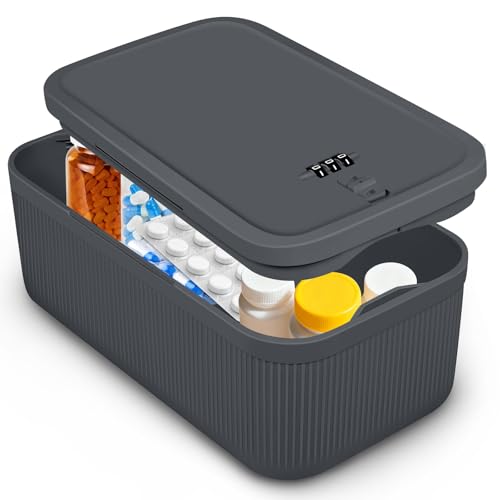
Small Lock Box,Lockable Storage Box with Combination Code for Medication Safe, Medicine Lock Box for Pills/First Aid Kits/Food/Snack Phone Jail,Locked Container for Home/Fridge/Office/School(Grey)
☀️【Ensure Safe & Hygienic Medication Storage】: Constructed with sealed, food-safe materials, this box provides a clean, secure storage…
As an affiliate, we earn on qualifying purchases.
As an affiliate, we earn on qualifying purchases.

AUVON Insulin Cooler Travel Case with 2 x 90g TSA Approved Ice Packs, Diabetic Medication Insulated Cooling Bag for Insulin Pens and Diabetic Supplies Storage, Compact for Daily Life and Trips
Upgraded Cooling Effect: This diabetic travel case comes with two upgraded ice packs each weighing 90g. The insulin…
As an affiliate, we earn on qualifying purchases.
As an affiliate, we earn on qualifying purchases.