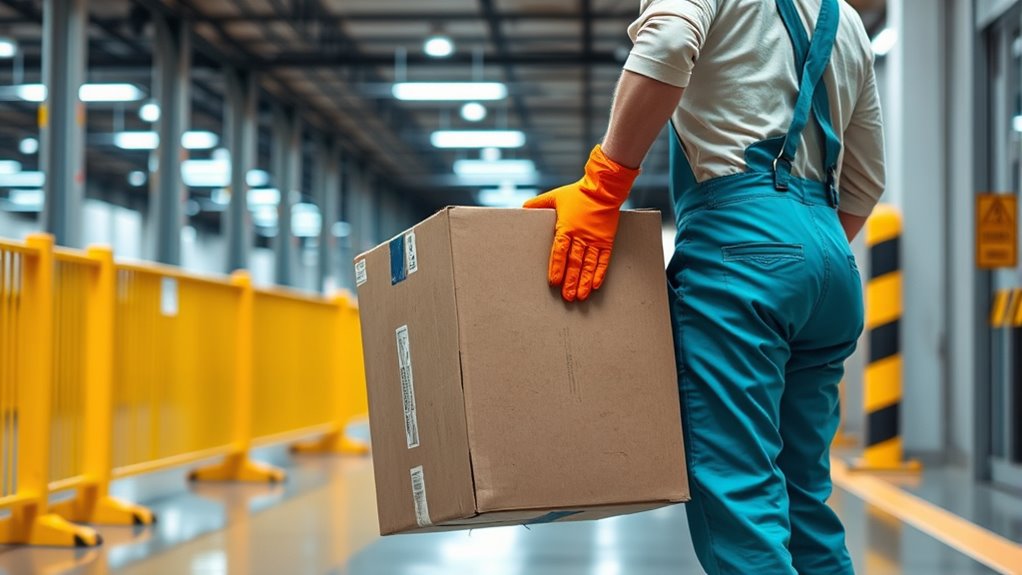

To avoid injury when lifting and carrying, use proper techniques such as bending your knees, keeping the object close to your body, and lifting with your legs rather than your back. Use ergonomic tools like hand trucks or dollies to make the task easier and safer. Communicate clearly with others and ensure the path is clear. Avoid rushing or forcing heavy loads. Keep in mind, applying these strategies helps prevent injuries — explore more to stay safe.
Key Takeaways
- Use ergonomic tools like hand trucks, dollies, and adjustable lifts to maintain proper posture and evenly distribute weight.
- Always plan and clear the path before lifting, ensuring safe surroundings and removing obstacles.
- Practice team lifting with coordinated movements, proper communication, and objects held close to the body.
- Bend your knees and use leg muscles rather than your back to lift heavy objects safely.
- Avoid rushing or shortcuts; rely on mechanical aids and proper techniques to prevent strain and injuries.
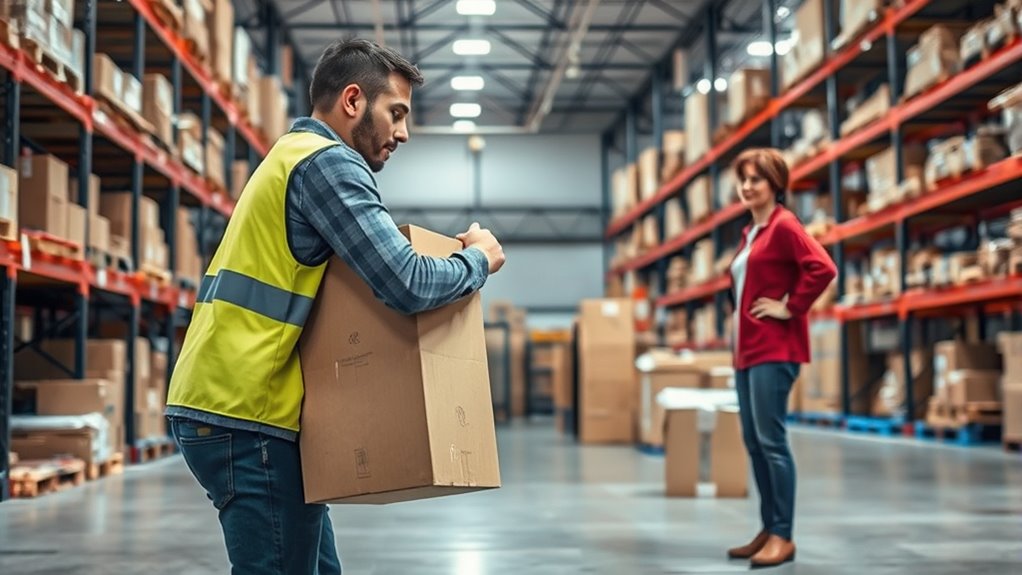
Have you ever wondered how to lift and carry heavy objects safely? It’s a common concern, especially if you often handle bulky or awkward items. The key to preventing injuries is understanding proper techniques and using the right tools. Ergonomic tools are designed specifically to make lifting less strenuous and reduce the risk of strain or musculoskeletal problems. These tools, such as hand trucks, dollies, or adjustable lifts, help you maintain better posture and distribute weight evenly, minimizing stress on your back, shoulders, and arms. When you use ergonomic tools correctly, you’re less likely to suffer from pulled muscles or long-term injuries caused by repetitive strain.
Another effective approach is applying team lifting techniques. Whenever possible, don’t lift heavy objects alone. Instead, coordinate with colleagues to share the load. Before lifting, communicate clearly with your team members about the plan, guaranteeing everyone understands their role. Position yourselves close to the object, with your feet shoulder-width apart for stability. Keep a firm grip and hold the object close to your body—this reduces the leverage force on your spine and helps maintain balance. When lifting, bend your knees, not your back, and use your leg muscles to straighten up. This technique prevents unnecessary pressure on your lower back and keeps your spine aligned.
Team lifting techniques involve more than just sharing the weight. It’s vital to synchronize your movements, so everyone lifts and lowers the object at the same time. This coordination prevents sudden shifts that could cause injuries. For larger or heavier loads, consider using straps or ropes to secure the object and make it easier to handle collectively. Always guarantee the path is clear of obstacles before starting the lift. If the object is too heavy or unwieldy, don’t try to force it. Instead, ask for help or use mechanical aids like forklifts or hoists. Rushing or taking shortcuts increases the chance of accidents and injuries. Incorporating proper lifting techniques can also help prevent injuries and promote long-term musculoskeletal health.
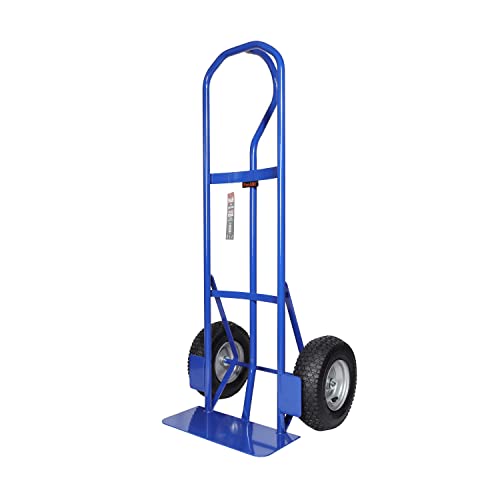
Pro-Lift Hand Truck Heavy Duty – 1000 Lbs Loading Capacity – Industrial Cart Dolly with Vertical Handle – Made in Taiwan
Ergonomically Design to Reduce Muscle Fatigue – The Pro-Lift hand truck is ergonomically designed to provide a powerful…
As an affiliate, we earn on qualifying purchases.
As an affiliate, we earn on qualifying purchases.
Frequently Asked Questions
How Often Should I Rest During Heavy Lifting Tasks?
You should rest during heavy lifting tasks whenever you feel fatigue setting in. Incorporate short rest intervals of about 30 seconds to a minute every few sets to help with fatigue management. Listening to your body is key—if you notice signs of exhaustion or strain, take a break. Proper rest intervals keep your muscles safe, maintain performance, and reduce the risk of injury during demanding lifts.
What Are the Signs of a Lifting Injury?
You’ll know you’ve got a lifting injury if you suddenly feel sharp pain, persistent soreness, or numbness after lifting. Poor lifting technique often causes these signs, so pay attention. Swelling, bruising, or difficulty moving are also red flags. To prevent this, focus on proper lifting techniques and injury prevention. If these signs appear, stop immediately and seek medical help—don’t be that person who lifts like a superhero and pays the price.
Can Ergonomic Tools Improve Lifting Safety?
Yes, ergonomic tools can considerably improve lifting safety. Their ergonomic benefits, such as reducing strain and improving grip, help prevent injuries. By using these tools, you enhance lifting safety, making tasks easier and safer. They’re designed to minimize physical stress, which means less fatigue and lower injury risk. Incorporating ergonomic tools into your routine promotes healthier lifting practices, ensuring you stay safe and comfortable while handling heavy or awkward loads.
How Do I Lift Objects With Uneven Weight Distribution?
You’ll want to become a master at lifting unevenly weighted objects! Start by evaluating the weight carefully, then use a balanced grip on both sides to keep control. Bend your knees, keep your back straight, and lift slowly, feeling like a superhero managing chaos. With a keen weight assessment and a steady grip, you’ll prevent injury and lift even the trickiest loads with ease.
What Should I Do if I Experience Back Pain After Lifting?
If you experience back pain after lifting, stop lifting immediately and rest. Apply ice to reduce inflammation and consider over-the-counter pain relievers. Focus on strengthening your core through exercises, which support your back during future lifts. Also, make sure you’re wearing proper footwear to provide stability and cushion. If pain persists or worsens, consult a healthcare professional to prevent further injury and get personalized advice.
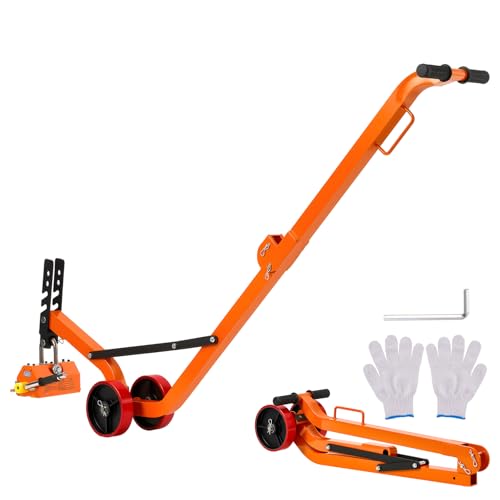
VEVOR Magnetic Lid Lifter Dolly, 1320 lbs Pulling Capacity, Steel Dolly with Heavy Duty Magnet Lift and 2 Wheels, Adjustable Handle, N42 Neodymium, Foldable and Portable, for Lifting Manhole Covers
Fast & Secure Manhole Lifting: Ergonomic rolling dolly with adjustable handle ensures smooth lifting. The magnetic lid lifter…
As an affiliate, we earn on qualifying purchases.
As an affiliate, we earn on qualifying purchases.
Conclusion
By practicing safe lifting and carrying techniques, you protect yourself from injury like a sturdy shield guarding your well-being. Remember to keep your back straight, lift with your legs, and avoid twisting. Think of your body as a finely tuned machine—treat it with care, and it’ll serve you well. When you lift smart, you’re steering clear of trouble, keeping your body strong and injury-free, so you can carry on with confidence and ease.
heavy object lifting straps
As an affiliate, we earn on qualifying purchases.
As an affiliate, we earn on qualifying purchases.

Fire Team Fit Liquid Chalk — Weightlifting Chalk for Gym, Rock Climbing, Gymnastics & Powerlifting | Sweat Resistant, Mess-Free Grip | 50ml
🧗🏼LIQUID CHALK – Portable with less mess than block chalk and much less waste. Ideal for gyms who…
As an affiliate, we earn on qualifying purchases.
As an affiliate, we earn on qualifying purchases.