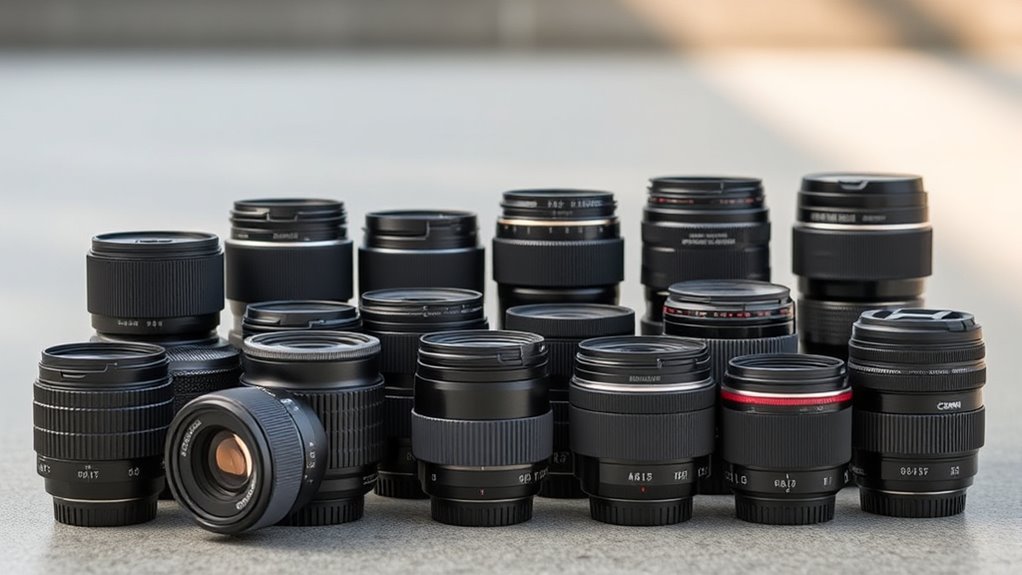

When selecting lightweight APS-C travel zoom lenses, the goal is to balance portability with image quality and versatility. The Tamron 18-300mm F/3.5-6.3 Di III-A VC VXD for Canon R stands out as the overall best choice for its comprehensive zoom range and compact design. For those on Sony E-mount, the Tamron 18-300mm F/3.5-6.3 Di III-A VC VXD offers similar versatility, while the Canon RF-S 10-18mm F4.5-6.3 IS STM excels for ultra-wide-angle shots. Readers face tradeoffs between zoom range, weight, and aperture size — wider zooms tend to be bulkier, but offer more flexibility. Keep reading for a detailed breakdown of these options and which might suit your travel needs best.

Get movie nights delivered free with Prime
- Fast, free delivery on millions of items
- Prime Video, Amazon Music and more included
- Member-only deals all year
Key Takeaways
- The top-rated lenses combine broad zoom ranges with lightweight design, but often at the expense of maximum aperture size.
- Tamron’s 18-300mm models are favorites for overall versatility, balancing size and zoom capacity.
- Ultra-wide options like Canon RF-S 10-18mm are ideal for landscape and architecture but are narrower for general travel use.
- Lenses with larger apertures, such as the Tamron 17-70mm f/2.8, tend to be heavier and more expensive, but offer better low-light performance.
- Choosing a lens depends heavily on your primary shooting style — whether you prioritize weight, zoom range, or aperture size.
| Tamron 18-300mm F/3.5-6.3 Di III-A VC VXD Zoom Lens for Canon R APS-C Mirrorless Cameras |  | Best Overall Versatility for All-in-One Travel Lens | Focal Length: 18-300mm | Maximum Aperture: F/3.5-6.3 | Lens Mount: Canon RF | VIEW ON AMAZON | See Our Full Breakdown |
| Tamron 18-300mm F/3.5-6.3 Di III-A VC VXD Lens for Sony E APS-C Mirrorless Cameras |  | Best for Compact, All-in-One Sony E Travel Lens | Magnification: 18-300mm | Aperture: F/3.5-6.3 | Mount: Sony E | VIEW ON AMAZON | See Our Full Breakdown |
| Canon RF-S 10-18mm F4.5-6.3 IS STM Ultra-Wide-Angle Zoom Lens for Canon EOS APS-C Cameras |  | Best Ultra-Wide for Landscapes and Vlogging | Focal Range: 10-18mm (16-29mm equivalent) | Maximum Magnification: 0.23x in AF, 0.5x in MF | Optical Design: Optimized for mirrorless cameras | VIEW ON AMAZON | See Our Full Breakdown |
| Tamron 28-200mm F/2.8-5.6 Di III RXD All-in-One Lens for Sony E-Mount, Black |  | Best Fast Aperture All-in-One for Sony E-Mount | Focal Length: 28-200mm | Maximum Aperture: F/2.8-5.6 | Lens Mount: Sony E | VIEW ON AMAZON | See Our Full Breakdown |
| Canon RF-S 18-150mm f/3.5-6.3 Lens |  | Best Versatile Zoom for Canon APS-C Users | Mount: RF-S | Focal Length: 18-150mm | Maximum Aperture: f/3.5-6.3 | VIEW ON AMAZON | See Our Full Breakdown |
| Canon RF-S 14-30mm F4-6.3 IS STM PZ Mirrorless Lens |  | Best Compact Wide-Angle Zoom for Video Creators | Focal Length: 14-30mm | Maximum Aperture: F4-6.3 | Mount: RF-S | VIEW ON AMAZON | See Our Full Breakdown |
| Tamron 17-70mm f/2.8 Di III-A VC RXD Lens for Sony E APS-C Mirrorless Cameras |  | Best Versatile Standard Zoom for Photography and Video | Focal Length: 17-70mm | Maximum Aperture: f/2.8 | Lens Mount: Sony E | VIEW ON AMAZON | See Our Full Breakdown |
| Sigma 18-50mm F2.8 DC DN Contemporary Zoom Lens for Sony E Mount, Black |  | Best Compact Standard Zoom for Everyday Travel | Focal Length: 18-50mm | Maximum Aperture: f/2.8 | Mount: Sony E | VIEW ON AMAZON | See Our Full Breakdown |
| lightweight apsc travel zoom lense | Focal Length | Maximum Aperture | Mount | Weight |
|---|---|---|---|---|
| Tamron 18-300mm F/3.5-6.3 Di I | 18-300mm | F/3.5-6.3 | — | — |
| Tamron 18-300mm F/3.5-6.3 Di I | — | — | Sony E | 21.9 ounces |
| Canon RF-S 10-18mm F4.5-6.3 IS | — | — | — | — |
| Tamron 28-200mm F/2.8-5.6 Di I | 28-200mm | F/2.8-5.6 | — | 20.3 oz. |
| Canon RF-S 18-150mm f/3.5-6.3 | 18-150mm | f/3.5-6.3 | RF-S | — |
| Canon RF-S 14-30mm F4-6.3 IS S | 14-30mm | F4-6.3 | RF-S | Approx. 210g |
| Tamron 17-70mm f/2.8 Di III-A | 17-70mm | f/2.8 | — | — |
| Sigma 18-50mm F2.8 DC DN Conte | 18-50mm | f/2.8 | Sony E | Approx. 290g |
More Details on Our Top Picks
Tamron 18-300mm F/3.5-6.3 Di III-A VC VXD Zoom Lens for Canon R APS-C Mirrorless Cameras
This Tamron lens stands out for its extensive 16.6x zoom range, making it an excellent choice for travelers who want to cover landscapes, portraits, and wildlife without swapping lenses. Compared with the Canon RF-S 10-18mm, it offers much more reach, though at the cost of a smaller maximum aperture, which could limit performance in low light. Its compact, lightweight design ensures portability, and features like vibration compensation and fast autofocus help maintain image quality across various scenarios. However, the aperture of F/3.5-6.3 may struggle in dim conditions, and the 300mm focal length might fall short for distant wildlife photography. This pick makes the most sense for those who prioritize convenience and zoom flexibility over optimal low-light performance.
Pros:- Versatile 16.6x zoom range suitable for a wide variety of subjects
- Compact and lightweight design enhances portability for travel
- High-speed autofocus with vibration compensation for stable images
- Maximum magnification of 1:2 for close-up shots
Cons:- Aperture range F/3.5-6.3 limits low-light shooting capabilities
- 300mm maximum focal length may not satisfy wildlife or distant subjects
Best for: Travelers and hobbyists who want a single lens capable of handling most shooting situations without changing gear.
Not ideal for: Photographers who often shoot in low light or require high-quality images at extended focal lengths, as the aperture limits might hinder results.
- Focal Length:18-300mm
- Maximum Aperture:F/3.5-6.3
- Lens Mount:Canon RF
- Maximum Magnification:1:2
- Minimum Focus Distance:0.15m (6 inches)
- Lens Design:Zoom
Our verdict“This lens is ideal for travelers seeking a lightweight, all-in-one zoom, accepting some compromises in low-light conditions.”
Tamron 18-300mm F/3.5-6.3 Di III-A VC VXD Lens for Sony E APS-C Mirrorless Cameras
This Tamron model shares its core versatility with the Canon version but is tailored for Sony E APS-C cameras. Its 16.6x zoom range makes it suitable for a broad spectrum of subjects, from landscapes to portraits. The fast VXD linear motor provides precise autofocus, and the moisture-resistant construction enhances durability for outdoor shoots. Compared to the Canon RF variant, its slightly heavier weight (21.9 ounces) might be less appealing to those who prioritize ultra-light gear. The aperture range still limits low-light performance, and some users report moderate sharpness at maximum zoom. Overall, it’s a strong choice for Sony shooters who want an all-in-one solution that balances portability and performance.
Pros:- Versatile 16.6x zoom range for multiple genres
- Fast, precise autofocus with VXD motor
- Compact, portable design with moisture resistance
- Suitable for a wide range of scenes without lens changes
Cons:- Aperture range F/3.5-6.3 limits low-light shooting
- Weight of nearly 22 ounces may challenge handheld stability
Best for: Sony APS-C users who need a single lens for travel, street, and casual wildlife photography.
Not ideal for: Photographers requiring superior low-light capabilities or dedicated telephoto performance, as the aperture is limited and weight adds some bulk.
- Magnification:18-300mm
- Aperture:F/3.5-6.3
- Mount:Sony E
- Sensor Type:APS-C
- Weight:21.9 ounces
- Focus Mechanism:VXD linear motor
Our verdict“This lens offers a practical, all-in-one zoom for Sony E APS-C travelers willing to accept some low-light limitations.”
Canon RF-S 10-18mm F4.5-6.3 IS STM Ultra-Wide-Angle Zoom Lens for Canon EOS APS-C Cameras
This Canon lens is tailored for those who want an ultra-wide perspective, making it perfect for landscapes, interiors, and vlogging. Its focal range of 10-18mm (16-29mm equivalent) offers a significantly wider field of view than typical travel zooms, enabling dramatic compositions. Its compact size and lightweight build make it easy to carry on trips. The optical image stabilization provides 4 stops of correction, which is beneficial for handheld video and low-light shooting. However, compared to the longer zooms like the Tamron 18-300mm, it’s limited in reach and not suitable for distant wildlife. The aperture of F4.5-6.3 constrains low-light performance, and its narrow focal range may not suit those wanting more versatility in focal length.
Pros:- Ultra-wide 10-18mm focal range ideal for landscapes and interiors
- Compact, lightweight, and travel-friendly design
- Effective shake reduction for steady videos
- Optimized optical design for high image quality
Cons:- Maximum aperture F4.5-6.3 limits low-light performance
- Limited focal range for subjects beyond wide-angle scenes
- Designed specifically for Canon EOS R series APS-C cameras
Best for: Travelers and vloggers focused on wide landscapes, interiors, and smooth video recording.
Not ideal for: Wildlife or distant subjects shooters, as the focal length and aperture are restrictive for such scenarios.
- Focal Range:10-18mm (16-29mm equivalent)
- Maximum Magnification:0.23x in AF, 0.5x in MF
- Optical Design:Optimized for mirrorless cameras
- Shake Reduction:4.0 stops
- Compatibility:Canon EOS R Series
Our verdict“This lens excels for wide-angle travel photography and vlogging but isn’t suited for wildlife or telephoto needs.”
Tamron 28-200mm F/2.8-5.6 Di III RXD All-in-One Lens for Sony E-Mount, Black
This Tamron lens combines a broad zoom range with a relatively fast aperture at the wide end, making it a compelling choice for Sony E-mount users who want flexibility in a compact form. Its 28-200mm range covers everything from wide landscapes to portraits and moderate telephoto, competing with lenses like the Canon RF-S 18-150mm but offering a brighter F/2.8 at the wide end. The 20.3-ounce weight and 4.6-inch length keep it travel-friendly, though some users note moderate edge sharpness at full zoom, especially in the corners. The variable aperture limits low-light performance at telephoto lengths, and it’s limited to Sony E-mount, so compatibility is narrow.
Pros:- Fast F/2.8 aperture at 28mm for better low-light and depth control
- Wide zoom range covering diverse scenes
- Compact, travel-friendly size
- Quiet RXD stepping motor for smooth autofocus
Cons:- Variable aperture reduces low-light performance at telephoto end
- Edge sharpness may be moderate at maximum zoom
- Limited to Sony E-mount system
Best for: Sony E-mount travelers who want a versatile zoom with a brighter aperture at the wide end for varied shooting conditions.
Not ideal for: Wildlife or astrophotography enthusiasts who need more consistent aperture or higher sharpness at the edges across zooms.
- Focal Length:28-200mm
- Maximum Aperture:F/2.8-5.6
- Lens Mount:Sony E
- Focus Type:Auto Focus
- Zoom Ratio:7.14:1
- Weight:20.3 oz.
Our verdict“This lens offers an appealing combination of speed and versatility for Sony E-mount travelers, accepting some optical compromises.”
Canon RF-S 18-150mm f/3.5-6.3 Lens
This Canon RF-S lens strikes a balance between range and size, offering 18-150mm zoom suitable for a wide array of travel and everyday photography. Its optical stabilization and smooth autofocus make it reliable for both stills and videos. Compared to ultra-wide options like the Canon RF-S 10-18mm, it provides greater reach, but still faces similar aperture limitations that affect low-light shooting. Its weight and size are manageable, but heavier than simpler pancake lenses. This lens is best suited for users who want a single zoom that can handle most scenarios without adding bulk, sacrificing some aperture speed in the process.
Pros:- Wide zoom range from 18mm to 150mm for versatility
- Effective optical stabilization for smooth handheld shots
- Suitable autofocus for video and stills
- Compact and travel-friendly design
Cons:- Aperture range limits low-light performance
- Heavier than some compact travel lenses
- Limited to APS-C sensors, not full-frame
Best for: Canon APS-C travelers who want a single, flexible zoom lens for a variety of scenes and casual shooting.
Not ideal for: Low-light photographers or those needing specialized ultra-wide or telephoto performance, due to aperture and focal range limits.
- Mount:RF-S
- Focal Length:18-150mm
- Maximum Aperture:f/3.5-6.3
- Image Stabilization:Yes, up to 4.5 stops
- Autofocus:STM
Our verdict“This lens offers good all-in-one coverage for Canon APS-C users who prioritize convenience over maximum aperture speed.”
Canon RF-S 14-30mm F4-6.3 IS STM PZ Mirrorless Lens
This lens stands out for its ultra-wide zoom range and smooth power zoom capability, making it ideal for videographers who need both versatility and seamless control. Compared with the Sigma 18-50mm F2.8, it offers a broader focal span at the expense of a narrower aperture, which can limit low-light performance. Its built-in optical image stabilization helps maintain steady footage, but the aperture range (F4-6.3) restricts its use in dim environments. Designed specifically for RF-S mounts, this lens is less adaptable for other systems, but that focus ensures optimized size and weight. It’s a strong choice for travel videographers who prioritize portability and smooth zooms over maximum low-light ability or wider apertures.
Pros:- Ultra-wide 14-30mm focal range perfect for landscapes and wide scenes
- Power zoom for smooth, programmable zoom control
- Optical image stabilization helps steady handheld footage
Cons:- Aperture range limits performance in low-light scenarios
- Designed exclusively for RF-S mount cameras reduces versatility across systems
Best for: Travel videographers and content creators who need an ultra-wide, lightweight lens that excels in video stabilization and smooth zooms.
Not ideal for: Photographers working mainly in low light or those who need a constant wide aperture for shallow depth of field.
- Focal Length:14-30mm
- Maximum Aperture:F4-6.3
- Mount:RF-S
- Image Stabilization:Yes
- Zoom Type:Power zoom
- Weight:Approx. 210g
Our verdict“This lens is best suited for videographers seeking lightweight, wide-angle footage with smooth zoom capabilities, accepting some low-light limitations.”
Tamron 17-70mm f/2.8 Di III-A VC RXD Lens for Sony E APS-C Mirrorless Cameras
This lens offers a highly flexible 17-70mm zoom range with a fast f/2.8 aperture, making it a strong choice for those who want a single lens that covers wide to short telephoto distances. Unlike the Sigma 18-50mm F2.8, which is more compact, the Tamron’s increased focal length provides more framing options for travel and street photography. Its vibration compensation system ensures sharp images in handheld shooting, but the lens is noticeably larger and heavier, which can be a drawback for carry-on travel. The moisture-resistant design adds durability for outdoor adventures, yet it comes at a higher price point. It’s ideal for travelers who prioritize versatility and low-light performance, willing to accept extra size and cost.
Pros:- Versatile 17-70mm focal range suitable for diverse scenes
- Constant f/2.8 aperture improves low-light and depth of field control
- Effective vibration compensation for sharper handheld shots
- Moisture-resistant build adds outdoor resilience
Cons:- Relatively bulky and heavier than smaller travel lenses
- Premium price may strain tight budgets
Best for: Travel photographers who want one high-performance lens capable of capturing wide landscapes and portraits without carrying multiple optics.
Not ideal for: Minimalists or those requiring ultralight equipment, as this lens adds noticeable weight and size to baggage.
- Focal Length:17-70mm
- Maximum Aperture:f/2.8
- Lens Mount:Sony E
- Vibration Compensation:Yes
- Closest Focus Distance:7.5″ at 17mm
- Construction:16 elements in 12 groups
Our verdict“This lens suits travel shooters who value adaptability and excellent low-light performance over compactness.”
Sigma 18-50mm F2.8 DC DN Contemporary Zoom Lens for Sony E Mount, Black
This Sigma lens provides a practical 18-50mm zoom range with a constant f/2.8 aperture, making it a strong contender for travelers who want a lightweight, all-purpose lens. Compared with the Tamron 17-70mm, it is more compact and easier to carry, but it offers a narrower focal range, which may limit its versatility in certain situations. Its optical performance is solid, especially in good lighting, but the lack of image stabilization means it’s less suited to handheld shooting in low light or dynamic scenes. Its simple, lightweight design makes it ideal for day trips and casual travel, but it might fall short for those needing more zoom reach or weather sealing.
Pros:- Lightweight and compact for easy packing
- Constant f/2.8 aperture enhances low-light capability
- Good optical performance in well-lit environments
- Suitable for everyday travel and street photography
Cons:- No image stabilization limits handheld shooting in low light
- Limited focal range compared to larger zooms like the Tamron 17-70mm
Best for: Casual travelers and street photographers who prioritize portability and decent low-light performance in a single lens.
Not ideal for: Photographers needing extensive zoom range or shooting in challenging weather conditions, as it lacks water resistance and stabilization.
- Focal Length:18-50mm
- Maximum Aperture:f/2.8
- Mount:Sony E
- Focus Type:Auto Focus
- Zoom Ratio:1:2.8
- Weight:Approx. 290g
Our verdict“This lens is perfect for travelers seeking a lightweight, versatile option for everyday photography with decent low-light performance, accepting the absence of stabilization.”

How We Picked
To determine the best lightweight APS-C travel zoom lenses, I evaluated each product based on key factors such as overall weight, zoom range, image quality, build quality, and price. I also considered usability features like image stabilization and autofocus performance, which are vital for travel photography. The ranking reflects a balance between portability and versatility, ensuring each lens offers something unique for different types of travelers. Lenses were rated higher if they combined compact design with reliable optical performance, while tradeoffs like narrower apertures or higher costs were noted to help buyers make informed decisions.| lightweight apsc travel zoom lense | Maximum Aperture | Mount |
|---|---|---|
| Tamron 18-300mm F/3.5-6.3 Di I | F/3.5-6.3 | — |
| Tamron 18-300mm F/3.5-6.3 Di I | — | Sony E |
| Canon RF-S 10-18mm F4.5-6.3 IS | — | — |
| Tamron 28-200mm F/2.8-5.6 Di I | F/2.8-5.6 | — |
| Canon RF-S 18-150mm f/3.5-6.3 | f/3.5-6.3 | RF-S |
| Canon RF-S 14-30mm F4-6.3 IS S | F4-6.3 | RF-S |
| Tamron 17-70mm f/2.8 Di III-A | f/2.8 | — |
| Sigma 18-50mm F2.8 DC DN Conte | f/2.8 | Sony E |