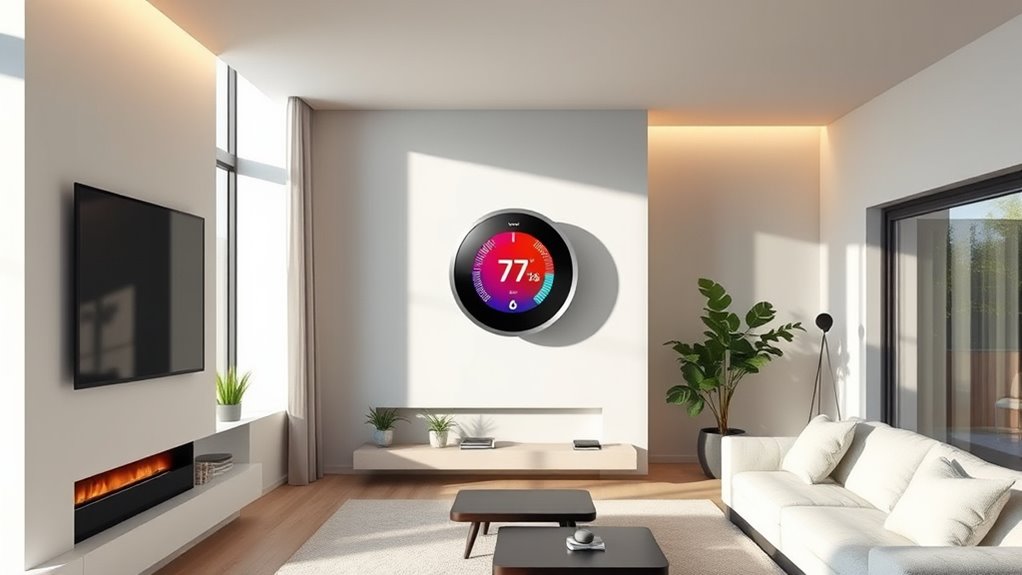

If you’re searching for smart thermostats with learning features, you’re likely looking for a device that can adapt to your schedule and save energy without constant adjustments. The Google Nest Learning Thermostat (4th gen) stands out as the overall best for its seamless automation and user-friendly interface. The ecobee Smart Thermostat Premium offers advanced sensors and voice control integration for smarter home management. However, these devices often come with tradeoffs, such as higher price points or configuration complexity. Continue reading for a detailed breakdown to help you find the perfect fit for your home and needs.
Play games included with Prime
Start a Prime free trial and play with Amazon Luna on your devices.
Start playingAs an affiliate, we earn on qualifying purchases.
Key Takeaways
- The Google Nest Learning Thermostat (4th gen) remains the most reliable for effortless automation and broad compatibility.
- ecobee models excel with advanced sensors for multi-room comfort and energy savings, appealing to tech-savvy users.
- Price varies widely; premium options include extra features like voice control and enhanced sensors, but may not be necessary for all users.
- Installation ease differs: some models are straightforward, while others require professional setup for full functionality.
- Compatibility with voice assistants like Alexa and Google Home is a key factor influencing the best choice for smart home integration.
| Google Nest Learning Thermostat (4th gen) + Nest Temperature Sensor (2nd gen) – Silver |  | Best Overall | Model: 4th generation | Includes: Nest Temperature Sensor (2nd gen) | Display: 60% larger | VIEW ON AMAZON | See Our Full Breakdown |
| Nest Learning Thermostat 3rd Gen, Stainless Steel with Deco Gear 2 Pack WiFi Smart Plugs | 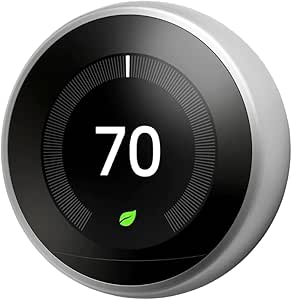 | Best for Convenience and Bundled Control | Controller Type: Nest | Additional Features: Auto Brightness Adjustment | Display Type: LCD Screen | VIEW ON AMAZON | See Our Full Breakdown |
| ecobee Smart Thermostat Essential – WiFi Thermostat, Energy Star Certified |  | Best Budget-Friendly Learning Thermostat | Energy Savings: Up to 23% annually | Compatibility: Most 24 VAC HVAC systems | Control: Smartphone app, voice assistants | VIEW ON AMAZON | See Our Full Breakdown |
| ecobee Smart Thermostat Enhanced, Programmable Wi-Fi Thermostat |  | Best for Advanced Users and Occupancy-Based Automation | Compatibility: 90% of HVAC systems | Connectivity: Wi-Fi | Control: Smartphone app, voice assistants | VIEW ON AMAZON | See Our Full Breakdown |
| Google Nest Learning Thermostat (4th Gen, 2024) with 2 Temperature Sensors – Polished Obsidian (Renewed) |  | Best Renewed Value with Smart Features | Model: 4th Gen, 2024 | Includes: Two 2nd gen Temperature Sensors | Display: Large, borderless | VIEW ON AMAZON | See Our Full Breakdown |
| Google Nest Learning Thermostat Pro Edition with Temperature Sensor (4th Gen, 2024) – Smart Energy Saving, Advanced Calibration, Adaptive Eco, Compatible with Alexa & Google Home |  | Best Overall for Professional-Grade Customization | Controller Type: Smart/Remote | Additional Features: Programmable | Specific Uses: Air Conditioner Temperature Control | VIEW ON AMAZON | See Our Full Breakdown |
| Google Nest Learning Thermostat E 3rd Generation Bundle |  | Best for Easy Setup and Energy Monitoring | Controller Type: Android, iOS | Additional Features: Programmable Temperature | Control Type: App Control | VIEW ON AMAZON | See Our Full Breakdown |
| Google Nest Thermostat – Smart Thermostat for Home – Programmable Wi-Fi Thermostat – Charcoal |  | Best for Energy Efficiency and Voice Control | Connectivity: Wi-Fi 802.11b/g/n, Bluetooth LE | Compatibility: Works without C wire in most homes | Energy Star Certified: Yes | VIEW ON AMAZON | See Our Full Breakdown |
| Google Nest Thermostat – Programmable Smart Learning Thermostat with Easy Installation and Trim Kit Bundle, White |  | Best for Sleek Design and Compatibility | Compatibility: Works with 95% of systems | Display: Frosted display | Connectivity: Wi-Fi, iOS and Android app | VIEW ON AMAZON | See Our Full Breakdown |
| ecobee Smart Thermostat Premium – WiFi, Siri & Alexa Built-In, Smart Sensor |  | Best for Advanced Features and Air Quality Control | Energy Savings: Up to 26% | Air Quality Monitor: Built-in | SmartSensor Value: $50 | VIEW ON AMAZON | See Our Full Breakdown |
| Google Nest Learning Thermostat 3rd Gen – Programmable Smart Thermostat for Home – Compatible with Alexa |  | Best Overall | Compatibility: Alexa, Google Assistant | Connectivity: Wi-Fi | Display: Bright, large display | VIEW ON AMAZON | See Our Full Breakdown |
| smart thermostats with learning feature | Compatibility | Connectivity |
|---|---|---|
| Google Nest Learning Thermosta | Most 24V systems, no C wire required | Wi-Fi, Matter compatible |
| Nest Learning Thermostat 3rd G | — | — |
| ecobee Smart Thermostat Essent | Most 24 VAC HVAC systems | — |
| ecobee Smart Thermostat Enhanc | 90% of HVAC systems | Wi-Fi |
| Google Nest Learning Thermosta | Most 24V systems | — |
| Google Nest Learning Thermosta | — | — |
| Google Nest Learning Thermosta | — | — |
| Google Nest Thermostat | Works without C wire in most homes | Wi-Fi 802.11b/g/n, Bluetooth LE |
| Google Nest Thermostat | Works with 95% of systems | Wi-Fi, iOS and Android app |
| ecobee Smart Thermostat Premiu | Works with 95% of HVAC systems | Wi-Fi, Siri, Alexa |
| Google Nest Learning Thermosta | Alexa, Google Assistant | Wi-Fi |
More Details on Our Top Picks
Google Nest Learning Thermostat (4th gen) + Nest Temperature Sensor (2nd gen) – Silver
This model stands out for its ability to learn your preferences over time, helping to optimize both comfort and energy savings. Compared with the ecobee Smart Thermostat Enhanced, it offers a more intuitive learning algorithm, but it relies heavily on Wi-Fi for full functionality, which can be a drawback in less stable networks. The inclusion of multiple temperature sensors allows for better management of hot and cold spots, making it ideal for larger or multi-zone homes. However, setup can be complex for non-technical users, and the price is higher than basic models. This pick makes the most sense for homeowners seeking a truly adaptive system that minimizes manual adjustments and integrates seamlessly with Google smart home devices.
Pros:- Learns user preferences to optimize comfort and savings
- Large, customizable display with dynamic Farsight
- Includes temperature sensors for multi-room control
- Seamless Google Home integration
Cons:- Requires Wi-Fi for full functionality, which can be problematic in poor networks
- Setup may be complex for less tech-savvy users
Best for: Tech-savvy homeowners who want a fully automated, adaptive thermostat that integrates with Google ecosystem.
Not ideal for: Users with limited Wi-Fi stability or those seeking a budget-friendly option without advanced learning features.
- Model:4th generation
- Includes:Nest Temperature Sensor (2nd gen)
- Display:60% larger
- Compatibility:Most 24V systems, no C wire required
- Connectivity:Wi-Fi, Matter compatible
- Features:Adaptive Eco, Dynamic Farsight, notifications
Our verdict“This thermostat is best suited for users who prioritize intelligent, automated climate control and are comfortable with a slightly involved setup process.”
Nest Learning Thermostat 3rd Gen, Stainless Steel with Deco Gear 2 Pack WiFi Smart Plugs
This bundle makes sense for those who want a sleek, remotely controllable thermostat paired with smart plugs for managing additional devices. The 3rd Gen Nest Learning Thermostat offers auto brightness adjustment and a compact LCD display, making it a user-friendly choice compared to more complex models like the ecobee Smart Thermostat. The inclusion of two smart plugs enhances household automation, but it comes at a higher overall cost and requires a compatible HVAC system. Setup can be somewhat tricky, especially with multiple components, but the convenience of remote control and aesthetic appeal make it worthwhile for users who prioritize ease of use combined with smart home expansion.
Pros:- Sleek stainless steel design enhances decor
- Easy remote control via smartphone app
- Includes two WiFi smart plugs for device automation
- Auto brightness adjustment improves usability
Cons:- Requires compatible HVAC system, limiting applicability
- Higher price point compared to basic thermostats
- Setup can be complex with multiple devices
Best for: Families seeking a stylish, easy-to-control thermostat with added smart plug functionality for home automation.
Not ideal for: Homeowners with incompatible HVAC systems or those seeking a dedicated, high-end thermostat solely for climate control without extra gadgets.
- Controller Type:Nest
- Additional Features:Auto Brightness Adjustment
- Display Type:LCD Screen
- Control Method:App
- Connectivity Protocol:Wi-Fi
- Style:Stainless Steel
Our verdict“This bundle is ideal for users who want a stylish thermostat with convenient remote control and additional smart home device management.”
ecobee Smart Thermostat Essential – WiFi Thermostat, Energy Star Certified
Compared to the Nest options, the ecobee Smart Thermostat Essential offers significant energy savings—up to 23% annually—while maintaining a straightforward DIY installation. Its color touchscreen simplifies interaction, especially for users who prefer tactile controls over voice commands. However, the SmartSensor must be purchased separately, and compatibility with older or less common HVAC systems should be verified online beforehand. This model is less feature-rich than the ecobee Smart Thermostat Enhanced but provides solid learning capabilities and smart home integration for a lower price point, making it ideal for budget-conscious users who still want smart, adaptive control.
Pros:- Affordable with good energy savings potential
- DIY installation with no C-wire needed
- Compatible with major smart home ecosystems
- Energy Star certified
Cons:- SmartSensor pack sold separately, adding to cost
- Limited advanced features compared to higher-end models
- Requires online verification for system compatibility
Best for: Budget-conscious homeowners who want a reliable, easy-to-install thermostat with basic learning features.
Not ideal for: Users seeking advanced automation, built-in occupancy sensing, or integrated sensors included in the base package.
- Energy Savings:Up to 23% annually
- Compatibility:Most 24 VAC HVAC systems
- Control:Smartphone app, voice assistants
- SmartSensor:Optional, measures temperature/movement
- Installation:DIY, no C-wire needed
- Features:Schedule assistant, eco+ smart features
Our verdict“This thermostat is best for budget-minded users who want basic adaptive features and energy savings without complex setup.”
ecobee Smart Thermostat Enhanced, Programmable Wi-Fi Thermostat
Compared with the Essential model, the ecobee Smart Thermostat Enhanced offers more sophisticated occupancy sensing, helping to automatically adjust temperature based on room usage, which can lead to savings of up to 26%. Its compatibility with 90% of HVAC systems and inclusion of a Power Extender Kit make installation easier for many users. The remote sensors, sold separately, improve room-specific comfort, but this adds to the overall cost. While it provides a more detailed level of control and automation, it demands a slightly higher investment and compatibility check. This makes it well-suited for those who want a more intelligent system with occupancy-driven adjustments.
Pros:- Saves up to 26% on energy costs
- Automatic adjustments based on occupancy and preferences
- Compatible with most HVAC systems
- Includes Power Extender Kit for easier installation
Cons:- SmartSensors sold separately, increasing total cost
- Requires Wi-Fi for remote control
- Compatibility check needed for some HVAC setups
Best for: Homeowners interested in occupancy-based automation and willing to invest in a slightly more complex setup for greater comfort and savings.
Not ideal for: Users who prefer simple, plug-and-play solutions or have incompatible HVAC systems that require extensive modifications.
- Compatibility:90% of HVAC systems
- Connectivity:Wi-Fi
- Control:Smartphone app, voice assistants
- Warranty:3 years
- Includes:Power Extender Kit, Trim Kit
- Features:Occupancy sensing, eco+ smart features
Our verdict“This thermostat is perfect for users who want occupancy-aware automation and are comfortable with a more involved installation process.”
Google Nest Learning Thermostat (4th Gen, 2024) with 2 Temperature Sensors – Polished Obsidian (Renewed)
This renewed model offers many of the same intelligent features as the new version, including learning preferences, a larger borderless display, and energy-saving scheduling. The inclusion of two 2nd gen Temperature Sensors helps manage hot and cold spots effectively. Compared to the newer version, it might have cosmetic imperfections or limited warranty, but it remains a capable, adaptive thermostat for budget-conscious buyers. Its compatibility with most 24V systems makes it versatile, though setup might be slightly more challenging due to the renewed status. For those willing to accept some cosmetic imperfections, this provides a cost-effective way to access advanced learning features.
Pros:- Learns preferences for energy savings and comfort
- Large borderless display for easy viewing
- Includes two temperature sensors for multi-room control
- Compatible with most 24V systems
Cons:- Renewed product may have cosmetic issues or limited warranty
- Setup can be more complex than brand-new models
- Requires Wi-Fi for full features
Best for: Budget-savvy homeowners who want a smart, adaptive thermostat with room sensors without paying full price, and are okay with a renewed product.
Not ideal for: Users seeking brand-new units with full warranty or those concerned about cosmetic condition and limited support.
- Model:4th Gen, 2024
- Includes:Two 2nd gen Temperature Sensors
- Display:Large, borderless
- Compatibility:Most 24V systems
- Features:Smart scheduling, learning
- Color:Polished Obsidian
Our verdict“This renewed thermostat offers strong smart capabilities at a lower price, best for users comfortable with used or refurbished products and seeking value.”
Google Nest Learning Thermostat Pro Edition with Temperature Sensor (4th Gen, 2024) – Smart Energy Saving, Advanced Calibration, Adaptive Eco, Compatible with Alexa & Google Home
The Google Nest Learning Thermostat Pro Edition stands out for its compatibility with a wide range of HVAC systems and its advanced calibration features, making it ideal for those seeking a highly adaptable solution. Unlike the simpler Nest Thermostat, the Pro Edition’s professional installation ensures optimal performance, especially for complex setups. Its included temperature sensor allows for precise room-based control, which can significantly boost energy savings. However, the need for professional installation introduces additional costs and complexity, making it less suited for DIY enthusiasts. This model is best for homeowners with intricate HVAC systems or those who prefer a tailored, high-performance smart thermostat.
Pros:- Compatible with a wide range of HVAC systems for versatile installation.
- Includes a temperature sensor for precise room control.
- Integrates seamlessly with Alexa and Google Home for smart home cohesion.
- Designed for professional installation to optimize performance.
Cons:- Requires professional installation, increasing setup costs.
- Setup process can be complex for non-experts.
- Limited info on battery replacement or longevity.
Best for: Homeowners with complex HVAC setups or those willing to invest in professional installation for maximum customization.
Not ideal for: DIYers or renters who prefer easy, plug-and-play solutions without installation costs.
- Controller Type:Smart/Remote
- Additional Features:Programmable
- Specific Uses:Air Conditioner Temperature Control
- Connectivity Technology:Bluetooth, Wi-Fi
- Power Source:Corded Electric
- Display Type:LCD
Our verdict“This pick is best for users needing a customizable, professional-grade thermostat, accepting higher installation complexity and cost.”
Google Nest Learning Thermostat E 3rd Generation Bundle
The Google Nest Learning Thermostat E provides a straightforward, budget-friendly option that still offers learning capabilities, making it ideal for users new to smart thermostats. Its simpler design and easy installation process set it apart from the more advanced Pro Edition, though it sacrifices some customization and system compatibility. The learning feature adapts to your schedule to optimize energy savings, and remote control via app adds convenience. However, its HVAC monitoring features are limited and may require additional setup. This makes it a strong choice for homeowners seeking a balance of simplicity and smart energy management.
Pros:- Learns your schedule to optimize energy savings.
- Easy to install with included components.
- Remote control via smartphone app enhances convenience.
- Provides HVAC monitoring and energy insights.
Cons:- Limited compatibility with some HVAC systems.
- HVAC monitoring alerts may need extra setup.
- Less customizable than higher-end models.
Best for: First-time smart thermostat users or those seeking an affordable, easy-to-install device.
Not ideal for: Homeowners with complex HVAC systems or who want extensive customization options.
- Controller Type:Android, iOS
- Additional Features:Programmable Temperature
- Control Type:App Control
- Connectivity Technology:Wi-Fi
- Power Source:Battery Powered
- Voltage:24 volts
Our verdict“Ideal for newcomers to smart thermostats who prioritize ease of use and basic energy savings over advanced features.”
Google Nest Thermostat – Smart Thermostat for Home – Programmable Wi-Fi Thermostat – Charcoal
The Google Nest Thermostat offers a sleek, ENERGY STAR certified design that prioritizes energy savings through automatic adjustments when you’re away. Its compatibility with Google Assistant and Matter-enabled devices makes it a versatile choice for smart home integration. Compared to the more advanced models, it focuses on simplicity and ease of installation, usually completed in under 30 minutes. While it lacks a lock feature and has some compatibility limitations, its ability to monitor HVAC health and send maintenance alerts makes it suitable for users who value straightforward energy management with voice control.
Pros:- Energy-efficient automatic adjustments and remote control.
- Quick and easy installation process.
- Supports voice commands and smart home integration.
- Provides HVAC monitoring and maintenance alerts.
Cons:- Lacks lock feature for temperature protection.
- Compatibility can vary with certain HVAC systems.
- Requires Wi-Fi for remote features.
Best for: Homeowners seeking an energy-efficient, easy-to-install thermostat with voice control capabilities.
Not ideal for: Users wanting advanced learning features or detailed HVAC monitoring beyond basic alerts.
- Connectivity:Wi-Fi 802.11b/g/n, Bluetooth LE
- Compatibility:Works without C wire in most homes
- Energy Star Certified:Yes
- Installation Time:Usually 30 minutes or less
Our verdict“A practical, budget-conscious choice for those wanting basic smart control and energy savings without complex setup.”
Google Nest Thermostat – Programmable Smart Learning Thermostat with Easy Installation and Trim Kit Bundle, White
The Google Nest Thermostat with its frosted display and simple setup makes a visually unobtrusive addition to your home. It offers learning capabilities similar to the Nest Thermostat E but emphasizes a refined aesthetic that blends into decor. Its compatibility with 95% of HVAC systems and remote control via the Nest app make it a flexible choice. However, its energy savings depend heavily on usage patterns, and the temperature sensor is sold separately, which could add to the overall cost. This thermostat is best suited for users wanting a stylish device that learns and adapts seamlessly.
Pros:- Learns your schedule to optimize energy savings.
- Easy to install with included components.
- Remote control via app enhances convenience.
- Sleek, unobtrusive design.
Cons:- Energy savings depend on external factors and usage.
- Requires separate purchase of temperature sensors for full functionality.
- Voice control needs compatible devices.
Best for: Design-conscious homeowners who want a learning thermostat that integrates seamlessly without extensive customization.
Not ideal for: Those needing a fully integrated system with built-in sensors or advanced HVAC controls.
- Compatibility:Works with 95% of systems
- Display:Frosted display
- Connectivity:Wi-Fi, iOS and Android app
- Includes:Thermostat, mounting base, power cable
- Installation Time:30-60 minutes
Our verdict“A stylish, user-friendly thermostat ideal for homeowners seeking a learning device that blends into their decor seamlessly.”
ecobee Smart Thermostat Premium – WiFi, Siri & Alexa Built-In, Smart Sensor
The ecobee Smart Thermostat Premium offers a comprehensive smart home experience, combining energy savings with air quality management. Its SmartSensors enable room-specific control, which is a step up from simpler learning thermostats like the Nest Thermostat E. The built-in voice assistants support Siri and Alexa, making it highly versatile. Compared with the ecobee Essential, this premium model adds advanced air monitoring and a longer warranty, but it also comes with a higher price tag and dependency on an Apple hub for Siri features. It’s ideal for users who want a learning thermostat that also enhances indoor air quality and supports multiple voice platforms.
Pros:- Energy savings up to 26% on bills.
- Advanced air quality monitoring for healthier indoor environments.
- Supports Siri and Alexa for voice control.
- Room-specific adjustments with SmartSensors.
Cons:- Requires an Apple home hub for full Siri functionality.
- Smart Security subscription needed for some features.
- Higher price point may be prohibitive.
Best for: Homeowners seeking a high-tech, multi-function thermostat with room-specific control and air quality features.
Not ideal for: Budget-conscious users or those seeking a straightforward, basic learning thermostat.
- Energy Savings:Up to 26%
- Air Quality Monitor:Built-in
- SmartSensor Value:$50
- Compatibility:Works with 95% of HVAC systems
- Warranty:3 years
- Connectivity:Wi-Fi, Siri, Alexa
Our verdict“A premium choice for tech-savvy homeowners desiring comprehensive control over energy, air quality, and voice assistants in a learning thermostat.”
Google Nest Learning Thermostat 3rd Gen – Programmable Smart Thermostat for Home – Compatible with Alexa
The Google Nest Learning Thermostat 3rd Gen stands out for its ability to automatically learn your schedule, making it a strong choice for those seeking hands-off energy savings. Compared with the ecobee Smart Thermostat Enhanced, it offers a more intuitive learning experience but relies heavily on Wi-Fi for full functionality. While its sleek design and bright display make it visually appealing, the need for separate sensors if you want room-specific control can be inconvenient and may increase overall cost. The energy-saving features like Home/Away Assist and Energy History are helpful, but they don’t guarantee savings and depend on consistent use. The device’s compatibility with both Alexa and Google Assistant broadens voice control options, yet a stable internet connection is essential to access all features. This pick is ideal for homeowners who want a stylish, easy-to-use device that adapts to their routines without constant manual input. However, those living in areas with unreliable Wi-Fi or who prefer a more plug-and-play system might find it less suitable. Overall, it’s a smart, well-designed choice for tech-savvy users focused on convenience and energy efficiency.
Pros:- Learns your schedule to optimize energy use automatically
- Remote control via smartphone app enhances convenience
- Voice control compatibility with Alexa and Google Assistant
- Bright, large display for easy reading
Cons:- Requires Wi-Fi and internet for full functionality
- Energy savings depend on user habits and external factors
- Additional sensors sold separately for room-specific control
Best for: Homeowners who want a sleek, learning thermostat that integrates seamlessly with their voice assistants and prioritize energy savings with minimal manual adjustments.
Not ideal for: Users in low Wi-Fi coverage areas or those who prefer a system with built-in room sensors without additional purchases.
- Compatibility:Alexa, Google Assistant
- Connectivity:Wi-Fi
- Display:Bright, large display
- Finish:Stainless Steel
- Programmable:Yes
- Energy Saving Features:Home/Away Assist, Energy History, Nest Leaf
Our verdict“This thermostat is best suited for homeowners seeking a stylish, learning device that simplifies energy management through automation and voice control.”

How We Picked
To select the best smart thermostats with learning features, I focused on performance, ease of use, build quality, and value. Devices were evaluated on how well they adapt to user behavior, their installation process, and how seamlessly they integrate with existing smart home systems. I prioritized options with proven reliability, positive user feedback, and features that genuinely enhance energy efficiency and convenience. The ranking reflects a balance of these factors, highlighting products that offer the most effective learning capabilities without overwhelming complexity or cost.| smart thermostats with learning feature | Connectivity |
|---|---|
| Google Nest Learning Thermosta | Wi-Fi, Matter compatible |
| Nest Learning Thermostat 3rd G | — |
| ecobee Smart Thermostat Essent | — |
| ecobee Smart Thermostat Enhanc | Wi-Fi |
| Google Nest Learning Thermosta | — |
| Google Nest Learning Thermosta | — |
| Google Nest Learning Thermosta | — |
| Google Nest Thermostat | Wi-Fi 802.11b/g/n, Bluetooth LE |
| Google Nest Thermostat | Wi-Fi, iOS and Android app |
| ecobee Smart Thermostat Premiu | Wi-Fi, Siri, Alexa |
| Google Nest Learning Thermosta | Wi-Fi |
Factors to Consider When Choosing Smart Thermostats With Learning Features
Choosing the right smart thermostat with learning features involves balancing automation, compatibility, and budget. Beyond basic functionality, consider how the device learns your schedule, how easy it is to install, and what smart home ecosystem it supports. Understanding these factors can prevent buyer remorse and ensure long-term satisfaction.Learning Capabilities and Adaptability
Look for thermostats that genuinely learn your routines over time, rather than just offering preset schedules. Devices like the Google Nest excel at adapting without manual input, but some models require more initial setup. Consider whether the learning process is intuitive and how quickly the thermostat responds to your habits to avoid frustration or inconsistent comfort.
Ease of Installation and Setup
Some models are designed for DIY installation, with straightforward wiring and clear instructions, making them suitable for most homeowners. Others may need professional installation, especially if your wiring is complex or you want to maximize smart features. Factor in installation costs and your comfort level with setup when choosing a model.
Compatibility With Smart Home Ecosystems
Check whether the thermostat works with your preferred voice assistants like Alexa, Google Assistant, or Apple HomeKit. Compatibility ensures smooth integration and voice control, adding to convenience. Some models work better with certain ecosystems, so verify compatibility before purchasing to avoid future integration issues.
Energy Savings and Cost
While most smart thermostats promise energy efficiency, the actual savings depend on features like remote sensors and advanced algorithms. Higher-end models often include more sensors and adaptive learning, but they come at a higher cost. Balance your budget against potential long-term savings to find the best value.
Price and Long-Term Value
Premium models provide more features and potentially better learning accuracy, but they come with a higher price tag. Budget-friendly options may lack some advanced functions but can still deliver effective automation. Consider whether the added features justify the extra cost for your specific needs.
Frequently Asked Questions
Do smart thermostats with learning features really save energy?
Yes, smart thermostats with learning features can significantly reduce energy consumption by adapting heating and cooling to your actual schedule, avoiding unnecessary operation. Over time, they optimize settings based on your habits, which can lead to lower utility bills. However, savings depend on proper setup and consistent use, so it’s important to configure the device correctly and allow it time to learn your routines.
Can I install a smart thermostat myself, or do I need a professional?
Many smart thermostats are designed for DIY installation, with clear instructions and simple wiring. Devices like the Google Nest are user-friendly enough for most homeowners with basic technical skills. However, if your current wiring is complex, or if you want to ensure optimal performance and integration, hiring a professional can be a wise choice. Professional installation may also be required to preserve warranties or for certain advanced features.
Will a smart thermostat with learning features work with my existing smart home devices?
Most leading smart thermostats are compatible with popular voice assistants like Alexa, Google Assistant, and Apple HomeKit. Compatibility varies by model, so it’s important to confirm that your existing smart devices and hubs support the thermostat you choose. Proper integration allows for voice control, routines, and automation, enhancing overall smart home functionality.
Are premium smart thermostats worth the extra cost?
Premium models often include more sensors, better learning algorithms, and advanced features like remote sensors and voice control. If you value maximum comfort, energy savings, and seamless integration, these models can be worth the investment. However, for simpler needs, budget-friendly options may provide adequate automation without the higher price tag.
How long does it take for a learning thermostat to adapt to my schedule?
The adaptation period varies by device and usage, but most smart thermostats need about a week to gather enough data to optimize settings. During this time, consistent use and manual adjustments can accelerate learning. Patience is key, and once the device has learned your routines, you should notice improved comfort and efficiency.
Conclusion
For homeowners seeking the best overall experience, the Google Nest Learning Thermostat (4th gen) offers reliable automation and broad compatibility. Those who prioritize advanced sensors and voice control may prefer the ecobee Smart Thermostat Premium. Budget-conscious buyers can find effective options among more affordable models, though they may lack some premium features. Beginners or those installing without professional help should opt for models with straightforward setup, while tech enthusiasts may benefit from more sophisticated, sensor-rich options. Ultimately, your choice hinges on your specific needs and home setup, but these picks provide a solid foundation for a smarter, more efficient home.
Fall yard work Picks
leaf blowers
As an affiliate, we earn on qualifying purchases.