
To work effectively with stage managers and get the shots you need, communicate clearly about your requirements and deadlines. Respect their authority and foster a cooperative attitude, which helps in managing scheduling challenges and coordinating with the crew. Being proactive, flexible, and maintaining professionalism encourages collaboration and smooth operations. Building a positive relationship guarantees everyone stays aligned, making it easier to execute your vision. Keep exploring these strategies to guarantee your production runs seamlessly.
Key Takeaways
- Communicate your shot requirements clearly and early to allow schedule adjustments and proper preparation.
- Maintain professionalism and mutual respect to foster cooperation and smooth collaboration on set.
- Keep the stage manager informed about changes, delays, or additional setup time needed for efficient planning.
- Collaborate with crew members by providing detailed shot descriptions and respecting their roles and expertise.
- Build a positive working relationship through patience and understanding, ensuring everyone’s needs align for a successful shoot.
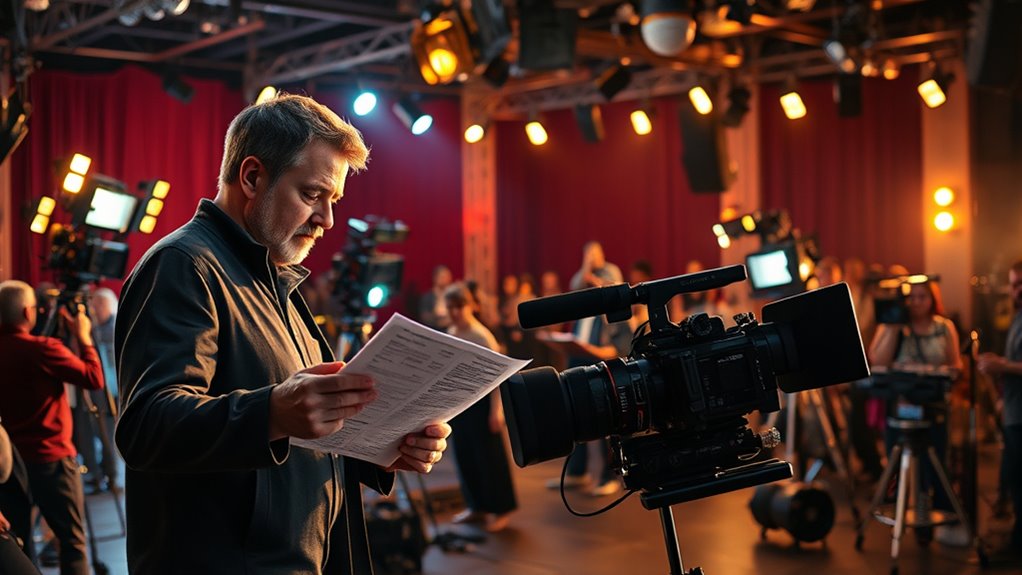
Working with stage managers requires clear communication and mutual respect to guarantee a smooth production. As a filmmaker or photographer on set, you’ll find that effective collaboration hinges on your ability to understand and work with the stage manager’s role in crew coordination. They’re the hub that keeps everything running, ensuring that each department is synchronized and that your shoot stays on track. Recognizing this, you should approach your interactions with openness and clarity, providing concise information about your needs and deadlines. The stage manager will appreciate your professionalism, which fosters a cooperative environment and minimizes misunderstandings.
Clear communication and mutual respect are key to a smooth production with stage managers.
Scheduling challenges are inevitable during any production, but a good working relationship with the stage manager can turn these hurdles into manageable tasks. They’re skilled at juggling multiple priorities—setting precise call times, managing scene changes, and adjusting for unforeseen delays. When you communicate your shot requirements early and clearly, the stage manager can incorporate your needs into the overall schedule, helping to avoid last-minute conflicts or missed opportunities. Being flexible and proactive in discussing potential timing issues can save you from frustration later. For example, if you know a particular shot requires extra setup time, let the stage manager know upfront so they can adjust the schedule accordingly.
You’ll also find that the stage manager’s expertise in crew coordination is invaluable in ensuring you get the shots you need. They coordinate with lighting, set design, talent, and other departments, all while keeping an eye on the clock. Your role is to collaborate seamlessly with them by providing clear shot descriptions, preferred timing, and any specific requirements. When you keep them updated on your progress and any changes, they can adjust the schedule or allocate additional resources to help you succeed. This ongoing communication helps prevent delays and keeps everyone aligned. Additionally, understanding the importance of vetted equipment like quality vacuums can be crucial for maintaining a clean set environment, especially in productions with sensitive equipment or specific cleanliness standards.
Building a relationship based on mutual respect encourages the stage manager to prioritize your needs. Respect their authority and acknowledge the complexities they manage daily. When conflicts arise, approach them with understanding rather than frustration. Remember, they’re responsible for the entire production’s flow, and a cooperative attitude makes it easier for them to accommodate your requests. In turn, they’ll be more willing to work with you to find solutions, whether that’s rearranging crew assignments or modifying the schedule to fit your shot list.
Ultimately, working effectively with a stage manager means recognizing the importance of crew coordination and charting scheduling challenges collaboratively. Your proactive communication, patience, and respect will help you secure the shots you need while maintaining a productive and positive set environment. When everyone works together with a shared goal, the production runs smoothly, and your creative vision can truly come to life.
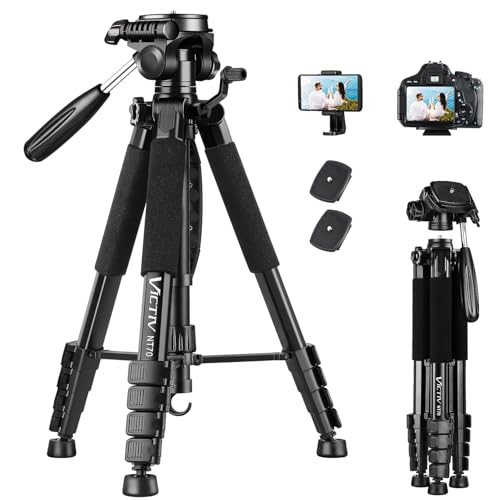
VICTIV 74” Camera Tripod, Tripod for Camera and Phone with Phone Holder
- Height Range: 19-74 inches adjustable height
- Compact & Lightweight: Weighs 3.14 lbs with carrying bag
- Universal Compatibility: Fits cameras, smartphones, scopes, and more
As an affiliate, we earn on qualifying purchases.
As an affiliate, we earn on qualifying purchases.
Frequently Asked Questions
How Do I Approach a Stage Manager for the First Time?
When approaching a stage manager for the first time, focus on relationship building by introducing yourself confidently and politely. Show respect for their role and follow professional etiquette, such as being punctual and clear about your needs. Ask questions thoughtfully and listen actively. Building a positive rapport early on helps foster cooperation, making your collaboration smoother and more effective throughout the production.
What Should I Bring to a Pre-Shoot Meeting?
Did you know 85% of successful shoots start with good planning? For your pre-shoot meeting, bring your camera gear and a detailed shot list. This helps communicate your vision clearly and keeps everyone on the same page. Also, include any necessary accessories, batteries, and backups. Being prepared shows professionalism and saves time, ensuring you get those essential shots without unnecessary delays.
How Can I Ensure Clear Communication With Stage Managers?
You can guarantee clear communication with stage managers by practicing effective listening and setting clear expectations from the start. Pay close attention to their instructions, ask questions, and confirm details to avoid misunderstandings. Clearly articulate your needs and goals, and encourage open dialogue. By actively engaging and maintaining transparency, you build trust, which helps coordinate shots smoothly and ensures everyone stays on the same page throughout the project.
What Are Common Challenges When Working With Stage Managers?
Think of working with stage managers like tuning a musical ensemble—you need harmony. Common challenges include scheduling conflicts, where timelines clash, and delivering collaborative feedback that may not be well-received. You might find it tough to align your vision with their logistical constraints. Clear, open communication helps resolve these issues, ensuring everyone’s on the same page and the production runs smoothly, like a well-rehearsed orchestra.
How Do I Handle Last-Minute Changes or Emergencies?
When last-minute changes or emergencies happen, stay calm and depend on your contingency planning and emergency protocols. Quickly assess the situation, communicate clearly with the stage manager, and adapt your approach accordingly. Keep a flexible mindset, and don’t hesitate to prioritize safety and key shots. By staying prepared and responsive, you can manage surprises effectively and ensure the shoot continues smoothly despite unexpected challenges.

NEEWER Photography Lighting kit with Backdrops, 8.5x10ft Backdrop Stands, UL Certified 5700K 800W Equivalent 24W LED Umbrella Softbox Continuous Lighting, Photo Studio Equipment for Photo Video Shoot
- Complete Photography Lighting Kit: Includes stands, bulbs, umbrellas, softboxes, backdrops
- Heavy-Duty Light Stands: 7ft stable stands with quick height adjustment
- Versatile Lighting Accessories: Umbrellas and softboxes for soft, broad light
As an affiliate, we earn on qualifying purchases.
As an affiliate, we earn on qualifying purchases.
Conclusion
Working smoothly with stage managers might seem simple, but it’s a delicate dance—like a conductor guiding an orchestra. When you communicate clearly, they’ll help you capture perfect shots, turning chaos into harmony. Remember, you’re not just taking pictures; you’re creating moments. Embrace the collaboration, and you’ll find that the most stunning shots often come from the trust and teamwork behind the scenes. Together, you’ll transform challenges into unforgettable visuals.

GoodBaby 5" Baby Monitor with Camera and Audio No WiFi
- Large 5-inch HD Display: Crystal-clear nursery view with pan and tilt
- Extended Battery Life: Up to 30 hours with VOX mode
- Smart VOX Power Saving: Auto-wake screen on crying detection
As an affiliate, we earn on qualifying purchases.
As an affiliate, we earn on qualifying purchases.

Camera Shot List For Filmmaking: Film Shooting Log Book
As an affiliate, we earn on qualifying purchases.
As an affiliate, we earn on qualifying purchases.