To light live sets effectively, focus on understanding the key qualities like intensity, color, and direction, which shape your scene’s mood and focus. Use a mix of key, fill, and backlights to sculpt your shots and create depth. Stay adaptable by quickly adjusting your equipment in response to changing conditions, and choose diffusion techniques that suit the mood—soft for intimacy, hard for drama. Mastering these fundamentals will help you craft compelling visuals that tell powerful stories; if you’re interested, there’s more to explore on how these techniques elevate your work.

Get movie nights delivered free with Prime
- Fast, free delivery on millions of items
- Prime Video, Amazon Music and more included
- Member-only deals all year
Key Takeaways
- Understand and control key light qualities—intensity, color, and direction—to craft the desired mood and visual narrative.
- Use a combination of key, fill, and backlights to sculpt scenes and guide viewer focus effectively.
- Be adaptable during live performances by quickly adjusting lighting setups in response to changing conditions.
- Employ diffusion tools like softboxes and reflectors to modify light softness, enhancing footage quality and emotional impact.
- Master lighting techniques to elevate videography, improve scene storytelling, and ensure a professional, polished live set capture.

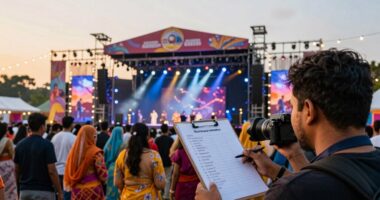
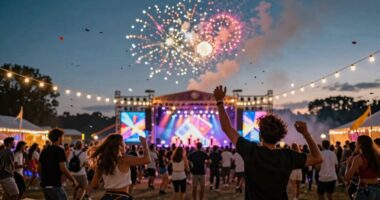
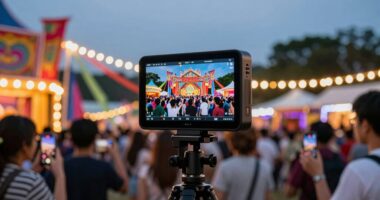
Have you ever wondered how lighting live sets can transform a performance? It’s one of the most powerful tools in a videographer’s arsenal, capable of shaping mood, emphasizing key moments, and guiding the audience’s focus. When you’re working on live productions, understanding the fundamentals of lighting is essential to produce compelling visuals that enhance the overall experience. You need to grasp how different lighting techniques affect the scene, how to control various light sources, and how to adapt quickly to changing conditions on set.
First, it’s *essential* to understand the three main qualities of light: intensity, color, and direction. Intensity determines how bright or dim your scene appears, and managing it involves selecting appropriate light fixtures and adjusting their output. Color is equally important, as it influences mood and tone; using gels or color temperature adjustments, you can evoke warmth, coldness, or surreal effects. Direction refers to where the light hits the subject, shaping shadows and highlighting specific features. Mastering these qualities allows you to craft a visual narrative that aligns with the story’s emotional core.
Understanding light’s intensity, color, and direction is key to crafting compelling live set visuals.
Next, you should familiarize yourself with different types of lighting equipment commonly used in live set filming. Key lights serve as the primary source, illuminating your main subjects. Fill lights soften shadows created by the key light, providing balance and preventing harsh contrasts. Backlights or hair lights add depth by separating subjects from the background, giving your scene a three-dimensional feel. Using a combination of these lights strategically helps you sculpt your scene and direct the viewer’s attention precisely where you want it.
Controlling the lighting setup in a live environment also means being adaptable and quick to respond. Unlike controlled studio settings, live sets often throw unexpected challenges your way—changing weather, shifting performances, or technical issues. Having a flexible approach, knowing how to modify your lighting on the fly, and being familiar with your equipment will save you time and effort. It’s also *important* to communicate clearly with your team, ensuring everyone understands the lighting cues and adjustments needed during the performance.
Finally, understanding the importance of light quality and diffusion can *greatly* improve your footage. Soft light creates gentle shadows and a flattering look, perfect for portraits or intimate moments. Hard light produces sharp shadows, adding drama or contrast. Using diffusers, reflectors, or softboxes, you can modify hard light sources to achieve the desired softness. This control over light quality helps you craft visually engaging scenes that resonate emotionally with viewers.
In short, mastering lighting fundamentals for live sets empowers you to elevate your videography, turning simple recordings into *engaging* visual stories. The more you learn about controlling intensity, color, direction, and quality, the more effectively you can shape each scene’s mood and focus. It’s an ongoing learning process, but with practice, you’ll find yourself creating stunning visuals that *remarkably* enhance live performances.
softbox lighting kit for videography
As an affiliate, we earn on qualifying purchases.
As an affiliate, we earn on qualifying purchases.
Frequently Asked Questions
How Do I Choose the Right Lighting Equipment for Live Sets?
To choose the right lighting equipment for live sets, consider your budget, the set’s size, and the mood you want to create. Opt for versatile, adjustable lights like LED panels or Fresnels that can handle different scenarios. Think about portability and power options if you’re on the move. Test your gear beforehand to make certain it provides even coverage without harsh shadows, so your scene looks professional.
What Are Common Mistakes to Avoid When Lighting Live Performances?
You should avoid overlighting or underlighting the performers, as this can ruin the shot. Don’t forget to check your light angles—direct light can cause harsh shadows, while too soft may lack impact. Stay aware of color temperatures to match the mood and venue. Also, resist the temptation to use too many lights, which can create clutter and confusion. Proper planning and observing the set help you light effectively.
How Can I Control Lighting in Dynamic, Fast-Changing Scenes?
In fast-changing scenes, you can’t just set it and forget it. Instead, anticipate shifts by using adjustable lighting tools like dimmers, gels, or moving lights. Keep a close eye on the action and be ready to tweak settings quickly. Practice with your gear beforehand to build confidence. This proactive approach guarantees your lighting remains consistent and vibrant, even when the scene shifts rapidly.
What Are Best Practices for Syncing Lighting With Live Audio?
You should synchronize lighting with live audio by using real-time monitoring tools to match cues precisely. Set up triggers or MIDI controllers that respond to audio cues, ensuring seamless progression. Keep communication open with your team to anticipate changes, and rehearse timing to avoid lag. Using software that integrates audio analysis with lighting control can help you achieve tight synchronization, enhancing the overall impact of your live set.
How Do I Troubleshoot Lighting Issues During a Live Shoot?
When troubleshooting lighting issues during a live shoot, start by checking your power sources and connections to make sure everything’s plugged in securely. Next, verify your lighting controls and settings to spot any accidental adjustments. If flickering or inconsistent light occurs, swap out bulbs or fixtures as needed. Keep a backup light kit handy, and communicate with your crew promptly to resolve issues quickly and keep the shoot on schedule.
As an affiliate, we earn on qualifying purchases.
Conclusion
Now that you understand the fundamentals of lighting live sets, you’re equipped to craft scenes that shine. Think of lighting as the brushstrokes on your canvas—each decision shapes the final masterpiece. By mastering these basics, you’ll turn every live performance into a vibrant story told through light. Keep experimenting, stay curious, and remember: your lighting palette is endless, waiting for you to bring your vision to life with confidence and creativity.
portable stage lighting equipment
As an affiliate, we earn on qualifying purchases.
As an affiliate, we earn on qualifying purchases.
color temperature adjustable LED lights
As an affiliate, we earn on qualifying purchases.
As an affiliate, we earn on qualifying purchases.
Halloween Picks
halloween
As an affiliate, we earn on qualifying purchases.