
To manage artist logistics effectively, you need to plan travel arrangements early, confirming bookings and coordinating schedules. Confirm accommodations are comfortable and near the venue, with clear communication about special needs. Verify all technical rider requirements, liaising with venue staff to ensure equipment is ready and backups are in place. Provide nutritious meals, a private space for preparation, and attentive support to keep energy and morale high. If you keep exploring, you’ll discover how to make these processes seamless and stress-free.
Key Takeaways
- Confirm all travel bookings and schedules early, including flights, transportation, and align with performance timelines.
- Verify venue capacity, technical requirements, and equipment functionality in advance, coordinating closely with venue staff and tech crews.
- Book accommodations near the venue, ensuring comfort, accessibility, and special needs are communicated and met.
- Provide artists with rest areas, nutritious meals, hydration, and private spaces to support well-being and performance readiness.
- Maintain clear communication, flexible planning, and backup plans to ensure smooth logistics and address any unforeseen issues.
Managing artist logistics is essential for ensuring smooth and successful performances. When you’re responsible for coordinating travel, accommodations, and technical requirements, every detail counts. Your goal is to create a seamless experience that allows the artist to focus on their craft without unnecessary stress or delays. To do this effectively, you need to plan well in advance, communicate clearly, and stay flexible as situations evolve. Start by confirming travel arrangements early. Whether the artist is flying, driving, or using a combination of transportation, ensure that all bookings align with the performance schedule. Double-check flight times, ground transportation, and arrival times to avoid last-minute surprises. Providing clear instructions and contact information for drivers or local contacts helps prevent confusion upon arrival.
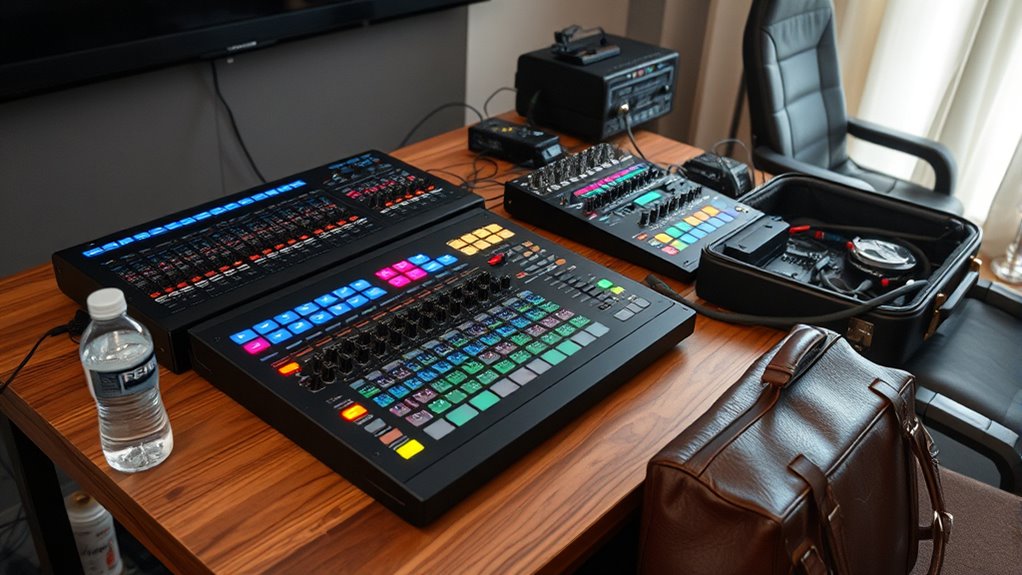
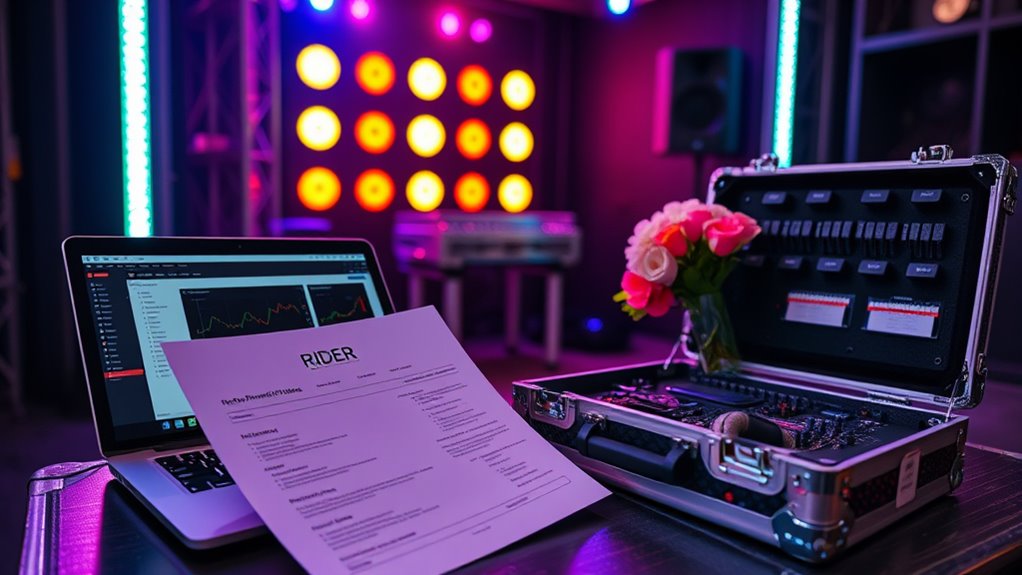
Accommodations should be comfortable and conveniently located, ideally close to the venue. Make sure bookings are confirmed, and communicate any special requirements, such as dietary needs or accessibility considerations. If possible, reserve a quiet space for the artist to rest before the show. This helps them stay energized and perform at their best. When it comes to tech riders, these are critical to ensuring the artist’s performance meets their standards. Your role is to understand their technical specifications and requirements thoroughly. This includes sound, lighting, staging, and any special equipment they need. Liaise closely with technical crews and venue staff to verify that all equipment is available, functioning properly, and set up correctly before the artist arrives. Confirm that the venue can accommodate the artist’s tech rider well in advance, and address any discrepancies early on. It’s also wise to prepare backup plans in case of equipment failure or logistical issues.
Caring for the artist goes beyond logistics; it involves anticipating their needs and offering support. Make sure they have access to nutritious meals and hydration, especially during long days. Provide a comfortable dressing room or private space where they can prepare and relax. Respect their privacy and personal routines, and be attentive to any signs of fatigue or stress. Small gestures like providing water, snacks, or a moment of quiet can make a big difference. Additionally, understanding artist logistics and how to manage them effectively can significantly impact the success of the performance. Ultimately, your role is to remove obstacles and create an environment where the artist can perform at their peak. When you handle travel, tech riders, and care diligently, you’re not just managing logistics—you’re enabling a memorable, professional performance that everyone will appreciate.

Relavel Makeup Case Large Makeup Bag Professional Train Case 16.5 inches Travel Cosmetic Organizer Brush Holder Waterproof Makeup Artist Storage Box, 3 Layer Large Capacity, with Adjustable Strap
LARGE CAPACITY MAKEUP CASE: This makeup case is the perfect size to carry all your makeup cosmetics accessories….
As an affiliate, we earn on qualifying purchases.
As an affiliate, we earn on qualifying purchases.
Frequently Asked Questions
How Do Artists Handle Last-Minute Travel Changes?
When last-minute travel changes happen, you stay flexible and communicate quickly. You contact your team or travel coordinator to find alternative flights or transportation. You keep important documents handy and monitor updates regularly. If delays occur, you notify event organizers immediately and adjust your schedule accordingly. Staying calm and adaptable helps you handle unexpected changes smoothly, ensuring you arrive prepared and ready to perform without unnecessary stress.
What Are Common Tech Rider Requirements for Different Genres?
You’ll find tech rider requirements vary by genre. For rock bands, expect high-quality sound systems, stage lighting, and amplifiers. Classical artists typically need specific acoustics, grand pianos, and minimal lighting. EDM performers often request advanced sound systems, visual effects, and DJ equipment. Jazz artists may require intimate setups, microphones, and specific instruments. Always review the rider carefully, communicate with venue staff, and guarantee your technical needs align with the performance style.
How Do Artists Ensure Their Equipment Safety During Transit?
Your equipment’s safety is vital, and you treat it like gold. You pack gear securely, using heavy-duty cases and padding to prevent damage. You choose reliable transit options, track shipments, and communicate with carriers regularly. Additionally, you insure your equipment for peace of mind. By taking these steps, you guarantee your gear arrives in perfect condition, ready to deliver an unforgettable performance, no matter the journey ahead.
What Are Best Practices for Artist Wellness on Tour?
To guarantee your wellness on tour, prioritize regular rest and stay hydrated. Listen to your body and take breaks when needed. Maintain a balanced diet and exercise when possible to keep your energy levels high. Communicate openly with your team about any stress or fatigue, and create routines that promote relaxation. Remember, staying healthy helps you perform your best and enjoy your tour experience fully.
How Do Logistics Differ for International Versus Local Artists?
When managing logistics for international versus local artists, you face different challenges and needs. International artists require visas, currency exchange, and customs clearance, while local artists focus on transportation, local accommodations, and timely arrivals. You plan for language barriers and cultural differences abroad, versus steering local traffic and infrastructure. You coordinate visas and international shipping, but also guarantee local ground transport runs smoothly. Both demand meticulous scheduling, but each calls for tailored solutions.
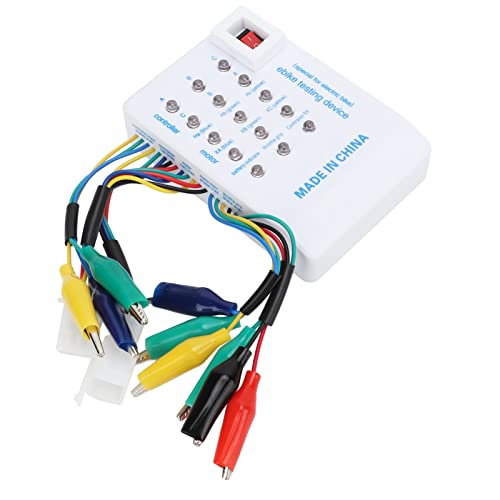
Alomejor Brushless Motor Tester, Accurate Hall Sensor Voltage Range 24V-72V Hall Tester for Electric Scooter Mechanics Technicians Riders Maintenance and Repair Shops
EASY : The detection method is simple and easy to operate. It can be operated according to the…
As an affiliate, we earn on qualifying purchases.
As an affiliate, we earn on qualifying purchases.
Conclusion
So, next time you think artist logistics are just about fancy travel and tech riders, remember—they’re really just the backstage version of herding cats. You’ll chase schedules, tech needs, and emotional whims, all while pretending you’re in control. But hey, if everything goes perfectly, you’ve merely dodged chaos. If not, congratulations—you’ve just mastered the fine art of making chaos look effortless. After all, what’s a little disarray in the pursuit of artistic greatness?
artist accommodation near venue
As an affiliate, we earn on qualifying purchases.
As an affiliate, we earn on qualifying purchases.
portable private rest area for performers
As an affiliate, we earn on qualifying purchases.
As an affiliate, we earn on qualifying purchases.