

In a volunteer program, you’ll take on various roles like assisting at events, mentoring, or supporting community projects, all tailored to organization needs. Training is designed to boost your confidence, teach essential skills, and help you understand the impact of your work. By participating, you’ll build new skills, forge meaningful connections, and support positive change in your community. Keep exploring to discover more about how your involvement can truly make a difference.
Key Takeaways
- Volunteer roles include event assistance, administrative support, mentoring, and community projects tailored to organization needs.
- Training sessions cover organization policies, task-specific skills, confidentiality, trauma-informed care, and logistics.
- The purpose of training is to build volunteer confidence, understanding of impact, and foster a sense of community.
- Effective training ensures volunteers are well-prepared, confident, and able to perform their roles successfully.
- Volunteering and training together promote community bonds, personal growth, and positive community change.
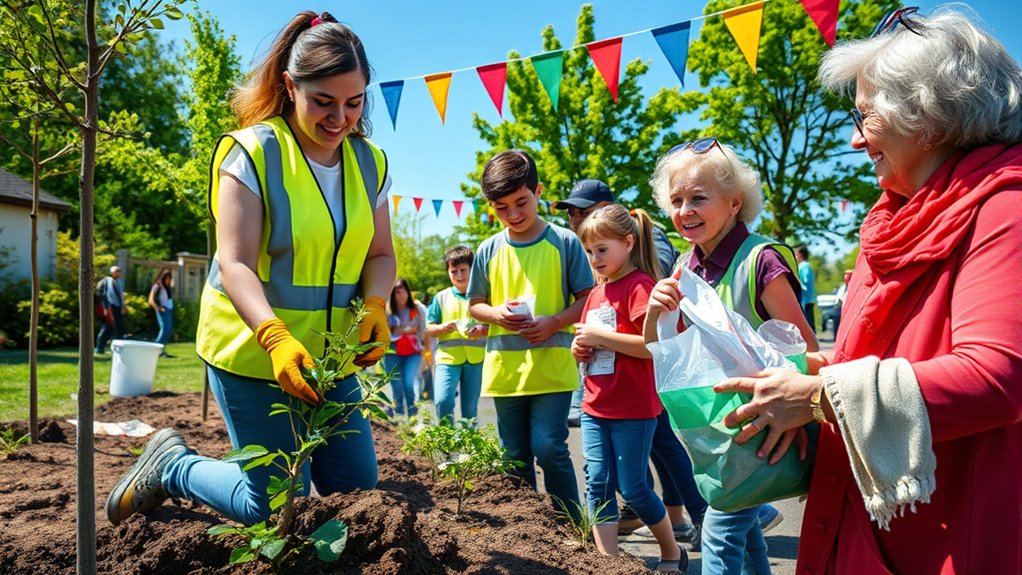
Have you ever considered how volunteering can transform your life and the community around you? When you decide to become a volunteer, you step into a role that offers more than just helping others—you gain a sense of purpose, develop new skills, and forge meaningful connections. Volunteering isn’t just about giving back; it’s about growth, both personally and professionally. As a volunteer, your responsibilities can vary widely depending on the organization and the needs they aim to address. You might be assisting at events, providing administrative support, mentoring youth, or participating in community clean-up projects. Whatever your role, your contribution becomes a crucial part of a larger effort to create positive change.
Discover how volunteering can enrich your life and community through purpose, skills, and connection.
To prepare you for these responsibilities, most volunteer programs include training sessions that equip you with the knowledge and skills you need to succeed. Training can range from basic orientation about the organization’s mission and policies to specialized instruction related to specific tasks. For example, if you’re working with vulnerable populations, you might learn about confidentiality and trauma-informed care. If your role involves event coordination, you may be trained in logistics and communication strategies. These sessions are designed to guarantee you’re confident in your duties and understand the impact of your work. The training also fosters a sense of community among volunteers, helping you connect with others who share your commitment to making a difference. Engaging in comprehensive training sessions ensures that volunteers are well-prepared and confident in their roles.
Top picks for "volunteer program train"
Open Amazon search results for this keyword.
As an affiliate, we earn on qualifying purchases.
Frequently Asked Questions
How Are Volunteer Roles Matched to Individual Skills?
You get matched to volunteer roles based on your skills, interests, and experience. The program reviews your application, conducts interviews or assessments, and considers your preferences. Staff then align your strengths with specific tasks, ensuring you’re well-suited for the role. This personalized approach helps you contribute effectively, stay motivated, and enjoy your volunteering experience while making a meaningful impact.
What Is the Typical Duration of Volunteer Commitments?
Most volunteer commitments last anywhere from a few hours a week to several months, depending on the role and organization. You might find some programs offer short-term projects that take just a few weeks, while others encourage ongoing involvement spanning a year or more. It’s best to clarify the expected time commitment upfront so you can plan accordingly and confirm your availability aligns with the volunteer opportunities you’re interested in.
Are There Opportunities for Remote Volunteer Work?
Yes, there are opportunities for remote volunteer work, allowing you to make a difference from anywhere. Like a digital bridge, these roles connect you with organizations needing support without geographic limits. You can assist with tasks such as mentoring, content creation, or administrative help. Many programs offer flexible schedules, so you can contribute when it suits you best. Embrace this chance to give back, no matter where you are.
How Is Volunteer Performance Evaluated?
You’re evaluated based on your ability to meet specific goals and deadlines set for your role. Supervisors observe your performance during tasks, provide feedback, and track your progress regularly. Your communication skills and teamwork are also considered. Additionally, you might complete self-assessments or submit reports highlighting your contributions. This extensive approach helps guarantee your performance aligns with the program’s standards and objectives, fostering continuous growth and impact.
What Incentives or Recognition Do Volunteers Receive?
You might be surprised to learn that volunteers often receive heartfelt recognition and meaningful incentives like certificates, public acknowledgment, or special events. These gestures boost your motivation, making you feel truly valued. Sometimes, unexpected rewards like exclusive training or leadership opportunities come your way, inspiring you to stay engaged. It’s a powerful reminder that your efforts don’t go unnoticed—they create ripples that inspire others and foster a stronger, more connected community.
Conclusion
Joining a volunteer program is like planting a seed that grows into a powerful force for change. Your role, training, and dedication can transform lives and communities alike. Remember, even a small act of kindness can ripple outward, creating waves of positive impact. So, step up and embrace the opportunity to make a difference—your efforts are the spark that ignites hope and brightens the world around you.