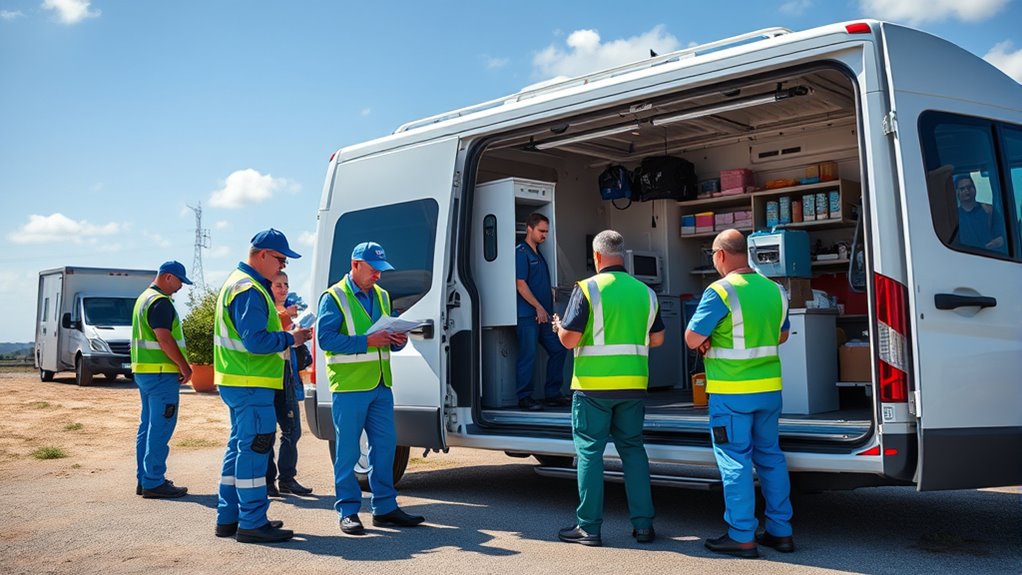

Medical response teams set up on-site clinics with clear protocols to swiftly handle emergencies. They focus on rapid assessment, stabilization, and efficient resource management to save lives. Effective teamwork, coordination, and regular drills ensure they respond smoothly even in chaos. These protocols help minimize errors and adapt to changing situations. If you want to understand how these protocols are designed and implemented, keep exploring—there’s a lot more to learn about their strategies and operations.

Get movie nights delivered free with Prime
- Fast, free delivery on millions of items
- Prime Video, Amazon Music and more included
- Member-only deals all year
Key Takeaways
- Effective on-site clinics require structured protocols for rapid assessment, treatment, and resource management during emergencies.
- Regular training and drills enhance team coordination and ensure familiarity with emergency procedures.
- Clear communication channels and predefined roles support swift, organized responses in crisis situations.
- Incorporating fraud prevention tools safeguards operations and maintains trust during critical incidents.
- Flexibility and adaptability in protocols allow on-site clinics to respond efficiently to evolving emergency conditions.
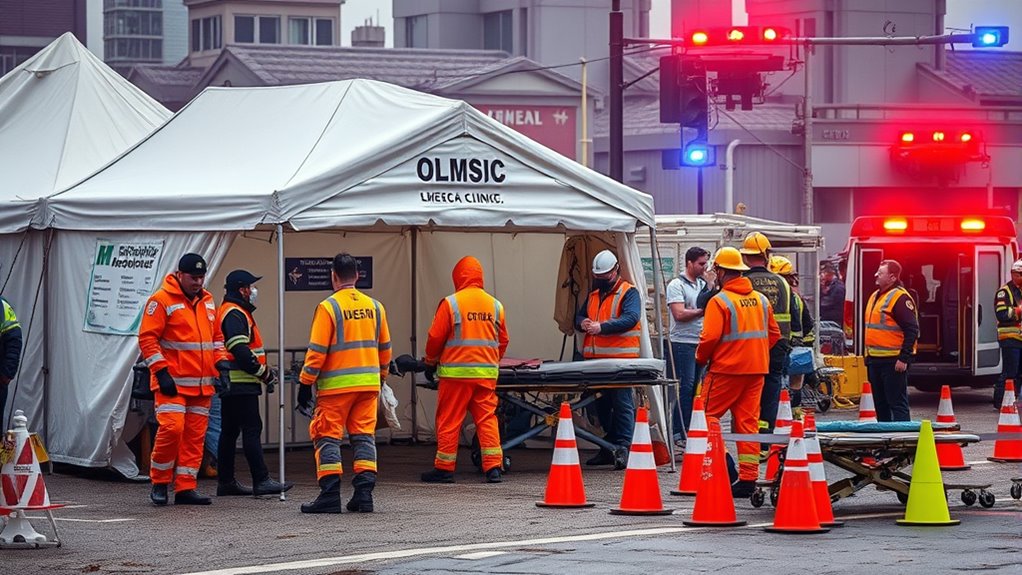
Medical response teams play a crucial role in saving lives during emergencies by providing rapid, specialized care at the scene of accidents, natural disasters, and other crises. Your ability to act swiftly and efficiently hinges on thorough emergency preparedness and seamless team coordination. When disaster strikes, every second counts, and having a well-trained team ready to respond can make the difference between life and death. Proper emergency preparedness involves more than just knowing first aid; it requires detailed planning, regular drills, and clear protocols so your team can function cohesively under pressure. These preparations ensure that each member understands their specific role, the equipment they need, and how to communicate effectively with other responders and medical facilities. Incorporating effective fraud prevention tools can help safeguard your operations from disruptions and ensure resources are utilized appropriately during critical moments.
Team coordination is the backbone of an effective response. During a crisis, chaos can quickly ensue, but your team’s ability to work together smoothly minimizes confusion and delays. Before an emergency, you should conduct regular training exercises that simulate real scenarios, helping everyone familiarize themselves with procedures and foster trust among team members. Clear communication channels, whether through radios or designated signals, are essential to coordinate efforts—whether it’s stabilizing a patient, managing resources, or providing transport. When each responder knows their responsibilities and how to support others, your entire operation becomes more efficient and effective.
In on-site clinics, your team’s focus extends beyond immediate medical treatment to logistical support and resource management. You’ll need to quickly assess the situation, prioritize care based on severity, and adapt to evolving conditions. This requires sharp situational awareness and the ability to make rapid decisions, all while maintaining calm and order. The protocols you follow should be flexible enough to accommodate different types of emergencies but structured enough to ensure consistency in care delivery. Being proactive with emergency preparedness drills and fostering strong team coordination helps you anticipate potential issues, streamline responses, and reduce errors.
Ultimately, your success depends on how well your team can operate as a unified unit under pressure. Continuous training, clear protocols, and proactive planning are your best tools to ensure that when disaster hits, your response is swift, organized, and effective. By emphasizing emergency preparedness and team coordination, you create a resilient response capable of saving lives and mitigating the impacts of any crisis.
As an affiliate, we earn on qualifying purchases.
Frequently Asked Questions
How Are Medical Response Teams Staffed and Trained?
You’re responsible for staffing medical response teams using effective staffing strategies, ensuring the right mix of skills and experience. Crew training is essential; team members undergo regular drills, certifications, and updates on protocols to stay prepared. You select team members based on their expertise, ensuring coverage at all times. Continuous training and strategic staffing help your team respond swiftly and efficiently during emergencies, safeguarding everyone on-site.
What Types of Emergencies Do On-Site Clinics Typically Handle?
Like a safety net catching falling leaves, on-site clinics handle various emergencies, including minor injuries, sudden illnesses, and first aid needs. You’re responsible for injury prevention and immediate response, ensuring quick treatment for cuts, burns, sprains, or allergic reactions. These clinics are essential for maintaining safety, providing prompt care, and reducing the severity of accidents. Your preparedness helps keep everyone safe and minimizes disruptions during unexpected health incidents.
How Are Protocols Updated for Evolving Medical Situations?
You should regularly conduct protocol reviews to guarantee your procedures stay current with evolving medical situations. Continuous education for your team is essential, as it keeps everyone updated on the latest guidelines and best practices. By integrating feedback from real incidents and new research, you can adapt protocols effectively, ensuring your on-site clinic responds swiftly and appropriately to any emerging medical challenges.
What Equipment Is Essential for an Effective On-Site Clinic?
You need crucial equipment like first aid supplies, including bandages, antiseptics, and splints, to handle emergencies effectively. Diagnostic tools such as blood pressure monitors, thermometers, and pulse oximeters are indispensable for accurate assessments. Additionally, having oxygen tanks, AEDs, and gloves ensures safety and proper care. This equipment enables your on-site clinic to respond swiftly and efficiently to a variety of medical situations.
How Do Response Teams Coordinate With Local Emergency Services?
You coordinate with local emergency services through clear community outreach and inter-agency communication, guaranteeing everyone stays informed and prepared. You establish protocols beforehand, sharing contact information and response plans. During incidents, you maintain open lines, update teams regularly, and collaborate seamlessly to provide quick, effective care. This proactive approach helps streamline efforts, minimizes confusion, and ensures a coordinated response that benefits everyone involved.
medical response team communication radios
As an affiliate, we earn on qualifying purchases.
As an affiliate, we earn on qualifying purchases.
Conclusion
Your presence on-site is like a beacon of hope amidst chaos. Medical response teams serve as the steady lighthouse guiding those lost in the storm, their clinics and protocols the unwavering beacon of safety. Remember, in every moment of crisis, your swift action and preparedness symbolize hope’s flame, illuminating the path to recovery. Stay vigilant, because in your readiness lies the promise of safety—true beacons in the darkness.
As an affiliate, we earn on qualifying purchases.
disaster response medical supplies
As an affiliate, we earn on qualifying purchases.
As an affiliate, we earn on qualifying purchases.
Halloween Picks
halloween
As an affiliate, we earn on qualifying purchases.