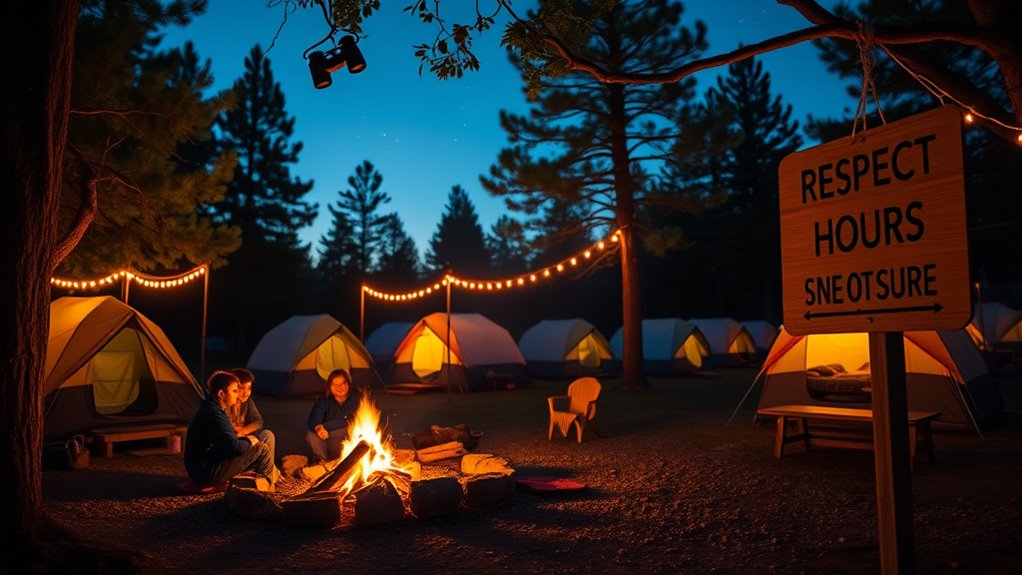

In sound camps, it’s important to keep noise levels respectful by managing decibels so you don’t disturb others or wildlife. Observe quiet hours, usually late evening to early morning, and lower music or switch to headphones during these times. Show consideration by respecting personal space, asking permission before sharing gear, and disposing of waste properly. Balancing music, technology, and environment creates a positive vibe—stay tuned to learn more about how to keep every moment enjoyable and safe.
Key Takeaways
- Set and respect decibel limits to prevent noise pollution and avoid disturbing others or wildlife.
- Observe quiet hours, typically late evening to early morning, by lowering volume or using headphones.
- Always seek permission before sharing equipment or collaborating to maintain mutual respect.
- Properly dispose of waste and minimize environmental impact to ensure safety and cleanliness.
- Foster a community environment by being considerate, attentive, and balancing music, technology, and nature.
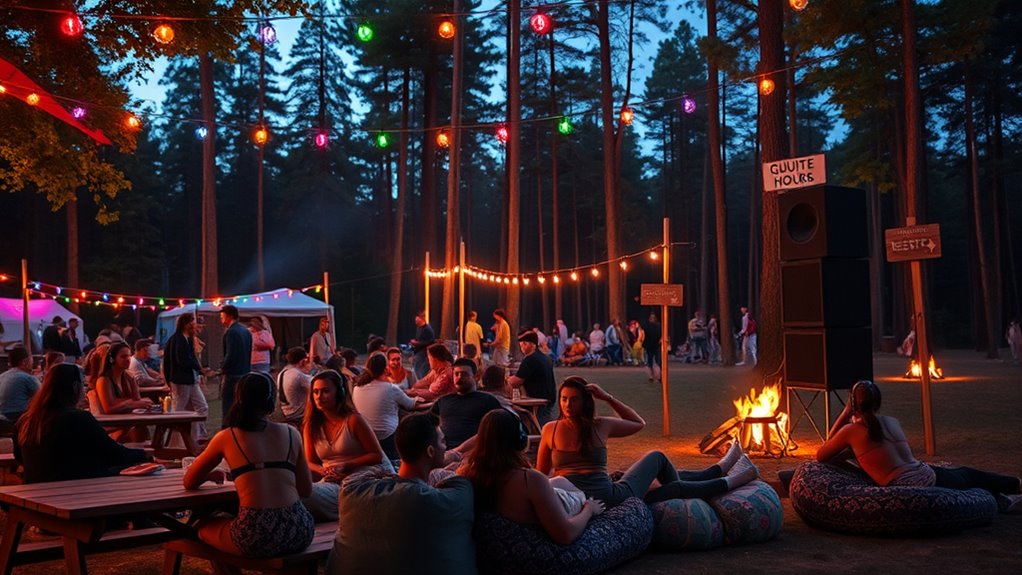
Sound camps are immersive environments designed to blend music, technology, and nature into a unique sensory experience. When you step into these spaces, you’re surrounded by pulsating beats, innovative sound systems, and the natural sounds of the environment, all working together to create a mesmerizing atmosphere. But with this powerful combination comes a responsibility to maintain respect for fellow attendees and the environment. Managing decibel levels, observing quiet hours, and respecting others’ space are vital to ensuring everyone has a positive experience.
Sound camps blend music, tech, and nature into immersive, respectful experiences for all.
You should be mindful of how loud you play your music or how intensely you engage with the sound systems. While it’s tempting to crank up the volume and get lost in the rhythm, excessive decibels can disturb others nearby, especially during late hours. Many sound camps set specific decibel limits to prevent noise pollution and preserve the tranquility of the surroundings. Keeping your volume at a reasonable level not only shows respect but also helps prevent complaints or conflicts. Remember, loud music can travel far and affect both fellow campers and wildlife, so adjusting your sound levels accordingly is essential.
Quiet hours are often established to give everyone a chance to rest and enjoy the natural environment without disruption. These hours typically start late in the evening and extend into the early morning. During this time, you should lower your music volume or switch to headphones. Respecting quiet hours isn’t just about avoiding noise; it’s about being considerate of others who are trying to sleep or unwind. If you’re hosting or participating in late-night activities, do so in designated areas or use soundproofing measures to minimize disturbance. Being conscious of your noise footprint demonstrates community spirit and helps foster a respectful environment.
Respect is key to the integrity of sound camps. It involves more than just managing noise levels—it’s about being attentive to your surroundings and considerate of fellow participants. Avoid encroaching on others’ personal space and ask for permission if you want to share equipment or collaborate. Also, be mindful of the natural environment by disposing of waste properly and avoiding damage to flora and fauna. Studies indicate that indoor air quality can be significantly affected by the environment, so minimizing pollution and disturbance is essential for everyone’s health and comfort. By practicing these habits, you contribute to a safe, inclusive, and enjoyable atmosphere for everyone.
Ultimately, sound camps thrive on mutual respect and shared enjoyment. When you control your decibel output, honor quiet hours, and show consideration for others, you help create an experience that’s memorable for all the right reasons. Respecting the delicate balance between music, technology, and nature ensures that sound camps remain vibrant and welcoming spaces for future adventures.

Decibel Meter, TopTes TS-501B Sound Level Meter with 2.25” Backlit LCD Screen, Portable SPL Tester with A/C Weighted, Range 30-130dB, MAX/MIN, Data Hold, Use for Home, Noisy Neighbor, Factory – Orange
- Large Backlit LCD Screen: Easy-to-read 2.25-inch display with backlight
- Accurate Sound Measurement: Measures 30-130dB with A/C weighting
- Wide Frequency Range: Captures sounds from 30 to 8000Hz
As an affiliate, we earn on qualifying purchases.
As an affiliate, we earn on qualifying purchases.
Frequently Asked Questions
How Are Decibel Levels Monitored at Sound Camps?
You can expect decibel levels at sound camps to be monitored using handheld sound level meters. Event staff or designated safety personnel regularly check the noise levels, especially during peak hours. They make sure the music stays within permissible limits to prevent disturbance and protect everyone’s hearing. If levels get too high, they’ll ask you to lower the volume or adjust your setup to stay compliant and keep the environment enjoyable for all.
What Penalties Exist for Noise Violations?
If you violate noise rules, you could face penalties like warnings, fines, or even being asked to leave the event. Event organizers often monitor decibel levels and enforce quiet hours strictly. When you break these rules, authorities may issue citations or require you to reduce volume immediately. To avoid penalties, respect the established noise limits and quiet hours, ensuring everyone can enjoy the event safely and comfortably.
Can Campers Request Sound Level Adjustments?
Did you know that noise complaints increase by 30% during peak festival hours? Yes, you can request sound level adjustments at campsites. Just approach the staff politely and specify your concerns. Most camps aim to maintain a comfortable environment, so they’re usually willing to help. Remember, respecting quiet hours and fellow campers fosters a positive experience for everyone, so don’t hesitate to communicate your needs kindly.
How Are Quiet Hours Enforced Across Different Camps?
You usually find quiet hours enforced through designated times posted at each camp and monitored by staff or volunteers. They walk around to ensure noise levels stay low and address any disturbances promptly. Campers are encouraged to respect these hours, and some camps may have rules or penalties for violations. By following these guidelines, you help uphold a peaceful environment for everyone to enjoy, especially during late-night hours.
What Equipment Is Used to Control Sound Levels?
Think of sound level equipment as the gatekeepers of peace at your camp. You use decibel meters to measure noise, ensuring levels stay within safe limits. Sound level controllers, like amplifiers with built-in volume limits, help regulate loudness. Sometimes, loudspeakers have automatic cut-off features. These tools work together to keep the environment respectful and safe, allowing everyone to enjoy the vibe without disturbing others or breaking quiet hours.

ProCase Hearing Protection Ear Muffs SNR 33dB, Noise Cancelling Headphones
- Hearing Protection Rating: NRR 28 dB, ANSI S3.19 certified
- Adjustable Headband: Fits most head sizes comfortably
- Universal Compatibility: Compatible with most eyeglasses
As an affiliate, we earn on qualifying purchases.
As an affiliate, we earn on qualifying purchases.
Conclusion
As you leave the sound camp, remember it’s more than just quiet hours—it’s a garden you nurture with respect. Your choices are like gentle watering, helping harmony grow amidst the noise. By balancing decibels and kindness, you create a sanctuary where everyone can thrive. Respect transforms chaos into a symphony, where silence and sound coexist in perfect rhythm. Carry this symbol of harmony with you, and let it echo long after you’ve gone.

Go Time Gear Ultralight Mylar Survival Tent, 2-Person, Orange, 1-Pack
- Reliable Emergency Shelter: Durable protection in adverse conditions
- Lightweight and Portable: Weighs only 8.7 ounces for easy carry
- Versatile Shelter Options: Secures with rocks or trees for stability
As an affiliate, we earn on qualifying purchases.
As an affiliate, we earn on qualifying purchases.
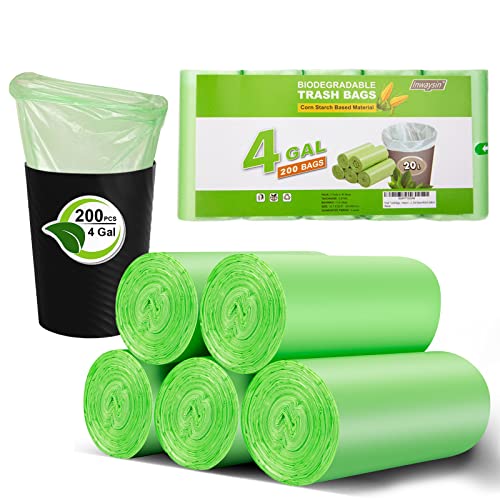
Small Trash Bags 4-6 Gallon, Inwaysin 200 Count Biodegradable Trash Bags 4 Gallon, Extra Strong Small Garbage Bags Unscented, Size Expanded, Green, for Bathroom Bedroom Office Kitchen Trash Can
- Eco-friendly Material: Cornstarch-based biodegradable plastic
- Enhanced Durability: 20% thicker and larger for strength
- Leak-proof Design: Star sealed bottom for secure disposal
As an affiliate, we earn on qualifying purchases.
As an affiliate, we earn on qualifying purchases.