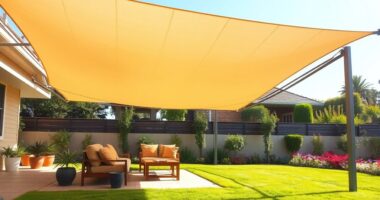
To stay safe from UV rays on site, use shade whenever you can, especially during peak hours between 10 a.m. and 4 p.m. Schedule outdoor tasks early or late in the day to reduce exposure. Apply broad-spectrum sunscreen with at least SPF 30 every two hours, covering all exposed skin. Wear protective clothing and sunglasses for added defense. Keep hydrated and take breaks in shaded areas—these strategies work best when combined, so find out more to stay protected.
Key Takeaways
- Schedule outdoor tasks during early morning or late afternoon to avoid peak UV hours between 10 a.m. and 4 p.m.
- Seek shaded areas for breaks and rest to reduce direct sun exposure.
- Wear protective clothing, wide-brimmed hats, and UV-protective sunglasses to physically block UV rays.
- Apply broad-spectrum sunscreen with at least SPF 30, reapplying every two hours or after sweating.
- Stay well-hydrated by drinking water regularly to prevent dehydration and heat-related illnesses.

When working outdoors, protecting yourself from the sun is essential to prevent heat-related illnesses and long-term skin damage. One of the most effective ways to do this is by wearing protective clothing. Choose lightweight, long-sleeved shirts and long pants made from tightly woven fabrics to block out harmful UV rays. A wide-brimmed hat can shield your face, neck, and ears, while UV-protective sunglasses help safeguard your eyes from sun damage. Remember, clothing acts as a physical barrier, reducing direct exposure and helping to keep your body cooler.
In addition to clothing, adopting proper hydration strategies is vital. The sun can quickly dehydrate you, especially if you’re sweating heavily. Make sure to drink water regularly throughout the day, even if you don’t feel thirsty yet. Avoid sugary drinks and alcohol, as they can contribute to dehydration. Keep a reusable water bottle handy and take frequent sips, aiming for at least one cup every 15-20 minutes. Proper hydration not only keeps your body temperature in check but also maintains your energy levels and helps your skin recover from sun exposure.
Timing your outdoor activities is another key aspect of sun safety. Whenever possible, schedule strenuous work early in the morning or later in the afternoon, avoiding peak sun hours between 10 a.m. and 4 p.m. When you do have to be outside during these times, seek shade whenever possible to minimize direct UV exposure. Rest breaks in shaded areas give your body a chance to cool down and reduce the risk of heat exhaustion or heatstroke.
Using sunscreen complements your protective clothing and shade strategies. Apply broad-spectrum sunscreen with at least SPF 30 to all exposed skin, and reapply every two hours or immediately after sweating or swimming. Don’t forget areas like your ears, the back of your neck, and your hands. Combining these measures—wearing protective clothing, practicing good hydration strategies, timing your outdoor work, and applying sunscreen—creates an all-encompassing shield against the sun’s harmful rays. Additionally, understanding the significance of contrast ratio in your sun protection choices can help you better evaluate the effectiveness of different sunscreens and protective gear.
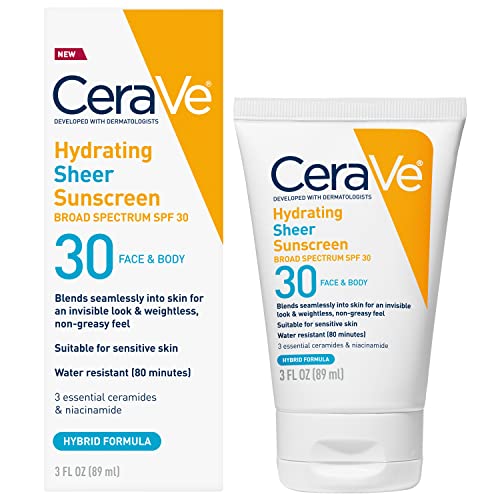
CeraVe Hydrating Sheer Sunscreen with SPF 30 for Face and Body, Mineral & Chemical Sunscreen for Men & Women with Zinc Oxide, Hyaluronic Acid and Ceramides, Paraben-Free + Fragrance-Free, 3 Ounces
[ FACE SUNSCREEN & BODY SUNSCREEN WITH SPF 30 ] CeraVe sunblock helps protect your skin against harmful…
As an affiliate, we earn on qualifying purchases.
As an affiliate, we earn on qualifying purchases.
Frequently Asked Questions
How Often Should I Reapply Sunscreen During the Day?
You should reapply sunscreen every two hours to maintain its effectiveness and guarantee proper protection. If you’re sweating heavily or swimming, reapply more frequently, ideally immediately after these activities. Keep in mind that sunscreen longevity varies depending on the product and exposure conditions, so it’s best to reapply regularly to stay protected. Don’t forget to cover all exposed skin and use a broad-spectrum sunscreen with at least SPF 30.
Are There Specific Clothing Materials Better for Sun Protection?
You should choose clothing made from UV blocking, breathable fabrics for better sun protection. These materials help prevent UV rays from reaching your skin while keeping you cool and comfortable. Look for tightly woven fabrics like polyester or nylon, which are known for their UV blocking properties. Avoid lightweight, loose-knit materials that let sunlight through. Wearing such clothing guarantees you stay protected and comfortable during outdoor activities.
What Are the Signs of Sunstroke or Heat Exhaustion?
If you experience symptoms of sunstroke, you might feel dizzy, headache, nausea, or confusion. Signs of heat exhaustion include heavy sweating, weakness, rapid pulse, or dizziness. You may also have cold, clammy skin or muscle cramps. If these symptoms occur, it’s vital to move to a cool place, hydrate, and seek medical help if symptoms worsen. Acting quickly can prevent serious health complications.
Can Sunglasses Completely Protect My Eyes From UV Rays?
Sunglasses can substantially improve your UV protection and eye safety, but they can’t completely block all UV rays. Look for sunglasses labeled as 100% UV protection to guarantee ideal eye safety. Wearing sunglasses along with other sun safety measures, like hats and staying in shaded areas, helps reduce UV exposure. Remember, even on cloudy days, UV rays can reach your eyes, so consistent protection is key.
Is It Safe to Be in the Sun During Peak Hours?
You shouldn’t be in the sun during peak hours, as the risks are real. Sun exposure guidelines warn that UV rays are strongest between 10 a.m. and 4 p.m., increasing the chance of skin damage and eye problems. If you must be outside, seek shade, wear protective clothing, and apply sunscreen. Don’t ignore peak hour risks — your skin and eyes will thank you for it.

Leotruny Women Super Wide Brim Sun Hat UPF50+ Waterproof Bucket Hat for Fishing, Hiking, Camping (C02-light Grey)
UPF 50+:Sun UV protection hat features a floppy wide brim and UPF 50+ sun protection; Its large brim…
As an affiliate, we earn on qualifying purchases.
As an affiliate, we earn on qualifying purchases.
Conclusion
Remember, staying safe in the sun is like shielding yourself with an umbrella in a storm—you protect your skin and health. Use shade, apply sunscreen, and plan your activities wisely to avoid peak sun hours. By taking these simple steps, you’ll keep your skin happy and healthy, just as a sturdy umbrella keeps you dry. Don’t wait until it’s too late—your well-being is worth every bit of effort. Stay safe and enjoy your time outdoors!
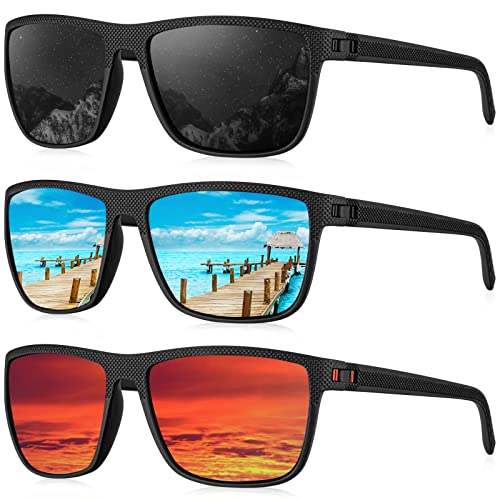
KALIYADI Polarized Sunglasses Men, Lightweight Mens Sunglasses Polarized UV Protection Driving Fishing Golf (Black/Ice Blue/Red)
HD Polarized Lens: To prevent your eyes from the harmful UV rays, all of KALIYADI mens sunglasses polarized…
As an affiliate, we earn on qualifying purchases.
As an affiliate, we earn on qualifying purchases.

SUNNY GUARD Sun Shade Sail 10' x 13' Rectangle Sand UV Block Sunshade for Backyard Yard Deck Patio Garden Outdoor Activities and Facility(We Make Custom Size)
【UV Protection & Cooling】Made of 100% brand new High Density Polyethylene material and eliminate the use of splicing…
As an affiliate, we earn on qualifying purchases.
As an affiliate, we earn on qualifying purchases.