
TL;DR
Pop culture collectibles are objects tied to entertainment, sports, gaming, or fandom, from toys and trading cards to comics and movie props. Their appeal depends on demand, condition, authenticity, and cultural meaning; rarity alone does not set value. Start with an item you enjoy, check recent completed sales, and protect it from damage.
A dusty action figure can be worth more to you than a glass case full of things you bought because someone called them a smart investment. That gap between personal meaning and market price is at the heart of collecting pop culture.

Get movie nights delivered free with Prime
- Fast, free delivery on millions of items
- Prime Video, Amazon Music and more included
- Member-only deals all year
Pop culture collectibles are objects connected to entertainment, sports, gaming, and fandom. They range from mass-market toys and trading cards to comic books, movie props, autographs, and digital items. People collect them for nostalgia, community, historical interest, or the simple pleasure of seeing a favorite character on a shelf.
This guide explains what makes an item collectible, why condition and proof of authenticity matter, and how to buy without confusing an asking price with a real sale. You’ll also get practical steps for storing your finds and deciding whether grading is worth the fee. Think of it like choosing a record: the story matters, but you still want to know what you’re holding.
A collectible is an object people seek out and preserve; the label alone does not promise market value.
Check recent completed sales for the exact edition and condition rather than copying an active listing’s asking price.
For costly or suspicious memorabilia, look for reliable provenance and ask a specialist about authenticity.
Grade an item only after comparing the likely benefit with service fees and buyer preferences in that category.
Keep collectibles away from direct sunlight, moisture, heat, and unnecessary handling.
What Makes an Everyday Object a Pop Culture Collectible?
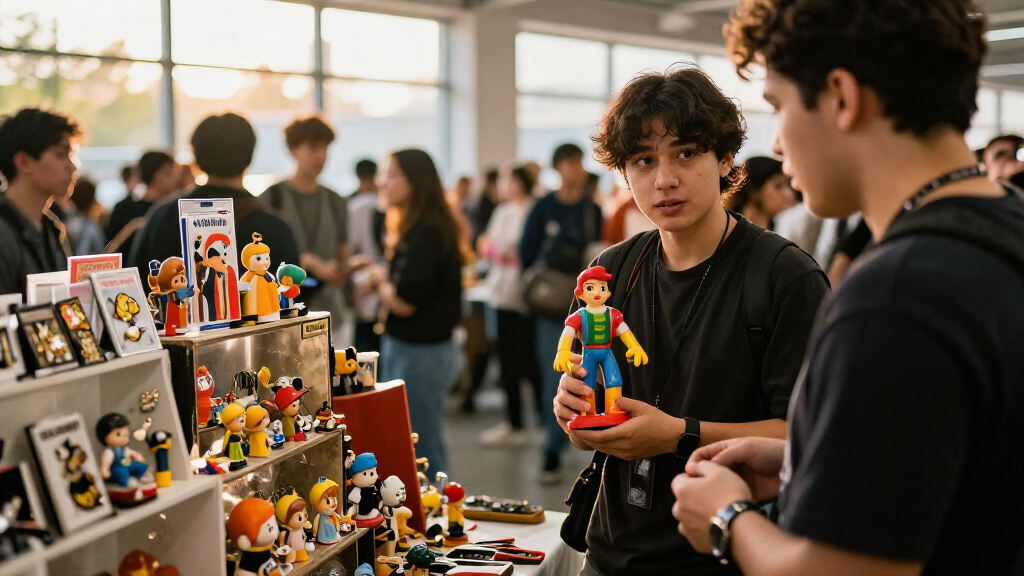
Pop culture collectibles are objects tied to entertainment, sports, gaming, or fandom that people seek out, preserve, and trade. They can be mass-produced or rare, expensive or affordable. A figure from a favorite series, a concert poster, a rookie trading card, and a well-loved video game can all belong in the same broad category.
The object often carries more than its material value. A fan might collect a particular character because they watched the show with a sibling every Saturday morning. Someone else might preserve a team pennant because it reminds them of a championship game they attended. That story can make a modest item feel priceless to its owner, even if few buyers would pay a premium for it.
Four forces shape how collectors respond to an item: cultural significance, scarcity, condition, and demand. A prop from a landmark film may have strong cultural appeal, while a rare variant may attract a small group of specialists. An intact toy with its original accessories can appeal to more buyers than the same toy missing a helmet or instruction sheet.
Use the phrase “collectible” as a description of interest, not a promise of value. A limited run may sit untouched in storage if the fandom moves on; a widely sold game can stay loved for decades. For example, the number of people seeking a particular card matters more than the number printed on its packaging.
Popular right now

TCL 55-Inch F7D Series QLED 4K UHD Smart Fire TV (2026)

Breville Barista Pro Espresso Machine with Grinder, Brushed Stainless Steel

De'Longhi Magnifica Duo Fully Automatic Espresso Machine with Milk Frother, Silver
As an affiliate, we earn on qualifying purchases.
Why Rarity Alone Won’t Tell You What an Item Is Worth
An item’s market value depends on buyers, condition, authenticity, and recent sales—not scarcity by itself. “Only 500 made” sounds exciting, but if few collectors want that character, the edition count may not lead to strong prices. Meanwhile, a mass-market toy from a beloved series could draw steady interest years after shops stopped carrying it.
Imagine two collectors eyeing the same vintage figure. One listing says “rare” and asks $400, but the paint has chips and the original accessory is missing. Another figure sold recently for $230 in clean condition with its accessory and packaging. The completed sale gives you a clearer clue than the higher asking price, which only shows what one seller hopes to receive.
Demand can shift when a franchise gets a new film, anniversary, or reboot. That attention may bring new buyers, but it can also prompt a flood of newly licensed merchandise. More supply can make collecting easier for fans while splitting attention among many releases. Popularity today does not guarantee a higher price tomorrow.
When you research an item, match the exact edition, variant, and condition as closely as possible. A sealed edition and an opened one are not interchangeable comparisons. Check several recent completed sales, and account for fees, shipping, and taxes before treating a sale price as a likely return.
How to Check a Collectible Before You Buy
You can make a safer purchase by identifying the exact item, checking its condition and history, and comparing completed sales. This process matters most when a listing uses vague labels like “rare,” offers only one blurry photo, or asks for a large sum. A few minutes of checking can keep a bargain from turning into an expensive disappointment.
- Identify the edition. Look for a product number, release year, variant name, or printing detail. A small mark on a card or toy can separate one edition from another.
- Inspect condition and completeness. Ask about scratches, repairs, missing parts, packaging, and inserts. Request clear photos from several angles.
- Check authenticity and provenance. Compare the item with known genuine examples. For a signed poster or film prop, ask what documents establish its history.
- Compare completed sales. Find examples that match the edition and condition, then account for selling costs and delivery.
- Review the seller’s terms. Check ratings, return rules, buyer protections, and how the seller will pack the item.
Say you find a signed poster from a favorite band at a convention. The seller’s story may sound convincing, but a photograph of the signing or reputable authentication can give you stronger support. If the price is high and the documentation is thin, ask a specialist before you buy. A confident seller should be able to answer reasonable questions.
Online marketplaces and fan groups make it easier to find and compare items, but they also put counterfeits and misleading listings within easy reach. Good photos, verifiable details, and a sensible return policy are useful signs; none replaces your own research. Trust the evidence you can check.
When Grading Helps—and When It Adds Little
Grading can give buyers a shared description of condition or authenticity, but it costs money and does not guarantee a higher sale price. Third-party services grade some trading cards, comics, and memorabilia. A label or sealed case may make an item easier to compare, but collectors in different categories do not all value grading the same way.
Consider a collector who finds a trading card in a clean sleeve. If comparable graded copies regularly sell for enough more to cover the grading fee, insurance, and shipping, grading may make sense. If the card is common, has a visible crease, or sells well in its raw condition, the added expense might not pay off.
Grading also changes how you handle an object. A card sealed in a case is easier to display and protect from casual handling, but you may prefer the feel of an ungraded card in your binder. Comic fans can face a similar tradeoff: a graded book is preserved for display, while an ungraded copy is easier to open and read.
Before sending anything away, check what the service assesses, how long the process takes, what fees apply, and whether buyers in that niche actually look for graded pieces. A grade is a tool for description, not a universal score for how much joy or value an item should have. For a family comic you want to read again, a protective sleeve may be all you need.
How to Protect Your Collection from Sunlight, Heat, and Handling
Clean, stable storage helps preserve a collectible’s condition, appearance, and resale options. Sunlight can fade artwork and packaging, while humidity and temperature swings may damage paper, cardboard, and some plastics. A careful storage setup does not need to look like a museum; it needs to suit the object.
Imagine setting a boxed figure on a sunny windowsill because the colors look great there. Months later, the box has faded on one side and the plastic window has yellowed. A shelf away from direct sun, dusted gently and kept dry, gives you a better display without hiding the figure in a dark closet.
Choose protection based on the item. A card benefits from a sleeve and sturdy holder, while a poster needs a suitable tube or frame. Keep paper collectibles away from damp basements, avoid stacking heavy objects on fragile packaging, and handle items with clean, dry hands. Collectors who own higher-value pieces can photograph them and keep purchase records for insurance purposes.
Storage has a cost, too. A display case, archival materials, or climate-controlled space may not be worthwhile for every low-cost item. Start with simple steps: keep items out of direct sun, reduce dust, avoid moisture, and limit unnecessary handling. If your favorite game cartridge lives beside a radiator, moving it to a cooler shelf is an easy improvement.
How to Build a Collection You’ll Still Enjoy Next Year
A satisfying collection starts with a clear interest and a budget you can stick to. You might focus on one character, one era of video games, concert posters from local venues, or trading cards from a particular team. A theme gives you a reason to say yes to some finds and pass on others.
Think of a collector at a convention with $100 to spend. They could buy one pricey item because a seller predicts a price jump, or choose a few affordable pieces from a series they already love. The second approach gives them more to enjoy right away and less pressure to guess what the market will do. Neither choice is automatically right; the key is knowing what you want from the purchase.
Keep a simple record of what you paid, where you bought it, and any details about condition or provenance. It helps you understand your actual costs and can make future sales or insurance claims easier. Remember that storage, grading, shipping, taxes, and selling fees can add up beyond the price tag.
Collecting can be a hobby first and a possible investment second. Items can fall in price, take time to sell, or attract only a small group of buyers. Online communities can help you identify variants and arrange trades, though you should still check strong price claims against completed sales. Set a limit for each month and leave room for a surprise find that makes you grin.
Frequently Asked Questions
What kinds of objects count as pop culture collectibles?
Common examples include figures, toys, trading cards, comics, posters, records, video games, props, costumes, autographs, and licensed memorabilia. The category is broad: an object becomes collectible when people seek it out, preserve it, or trade it. A scratched game cartridge can still matter to its owner even when it is not a high-priced rarity.
How can I tell whether a collectible is valuable?
First identify the exact edition, variant, and condition, then compare recent completed sales for similar items. Rarity alone does not create a price; buyer demand, authenticity, and completeness matter too. An active listing asking $500 shows what a seller wants, while a completed sale shows what a buyer recently paid.
Are collectibles a good investment?
Some collectibles rise in value, but returns are uncertain and selling can take time. Storage, grading, shipping, taxes, and selling fees can reduce what you keep. Collecting for enjoyment makes the hobby less dependent on predicting whether a reboot or anniversary will lift prices.
Should I get my trading card or comic graded?
Grading may help buyers compare condition or authenticity, especially for some cards and comics, but the fee does not guarantee a higher sale price. Compare the likely sale difference with grading, shipping, and insurance costs. If you want to read the comic or handle the card, an ungraded copy may suit you better.
How can I avoid buying a fake collectible?
Research the seller, request detailed photos, compare the item with known genuine examples, and ask for documentation when provenance matters. For an expensive autograph or prop, consider a reputable authentication service or specialist. A thin backstory and one blurry photo are good reasons to pause.
How should I store my collectibles?
Keep items clean, dry, and out of direct sunlight and temperature swings. Use protective materials suited to the object, avoid unnecessary handling, and record valuable pieces for insurance. A boxed figure on a shady shelf may need little more than dusting, while a paper poster benefits from protection against moisture and bending.
Conclusion
Start with a piece of pop culture you already care about, then check its edition, condition, authenticity, and recent sales before you spend. That habit keeps the fun close and makes it harder for a loud price tag or a seller’s “rare” label to steer your decision.
A collection should tell your story when you walk past it. Let the cards, figures, posters, or games on your shelf bring a little color back into an ordinary Tuesday.