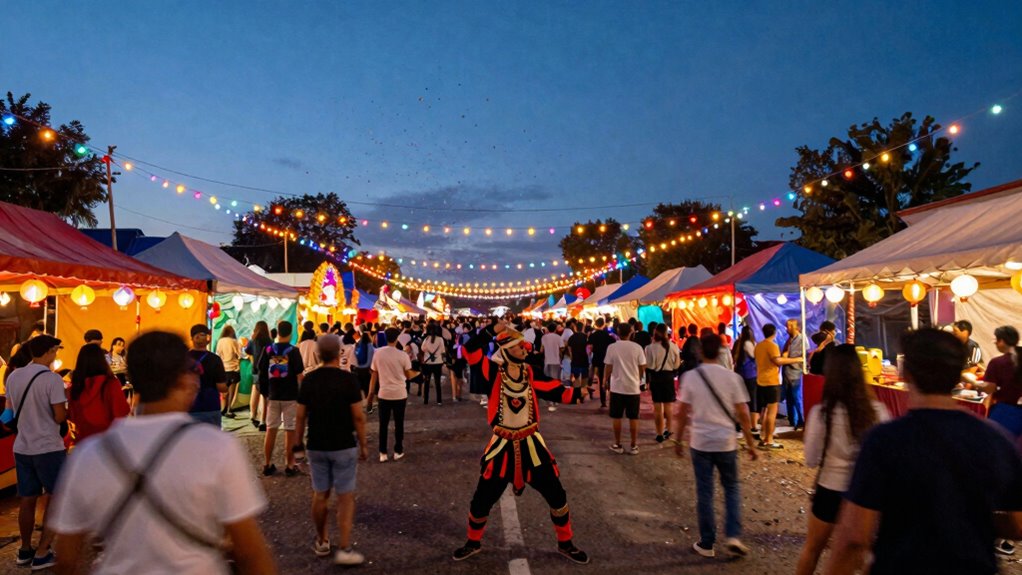
Using a 360 camera for festival content can considerably boost viewer engagement by offering immersive, interactive experiences. It lets your audience explore scenes from different angles, creating a deeper emotional connection and making your coverage stand out. Proper planning and technical setup are essential to capture high-quality footage. If you’re interested in innovative ways to showcase your event and differentiate your content, exploring what 360 cameras offer could be a game-changer for you.
Key Takeaways
- 360 cameras enhance viewer engagement by allowing independent exploration of festival scenes, creating a more immersive experience.
- They help differentiate your festival coverage by offering innovative, immersive digital content aligned with current publishing trends.
- Proper technical planning, including camera placement and lighting, is essential to capture high-quality, vibrant footage.
- Immersive content can deepen emotional connection, making festival experiences more memorable and impactful for viewers.
- The investment in 360 filming can be justified by increased audience involvement and the unique storytelling opportunities it offers.
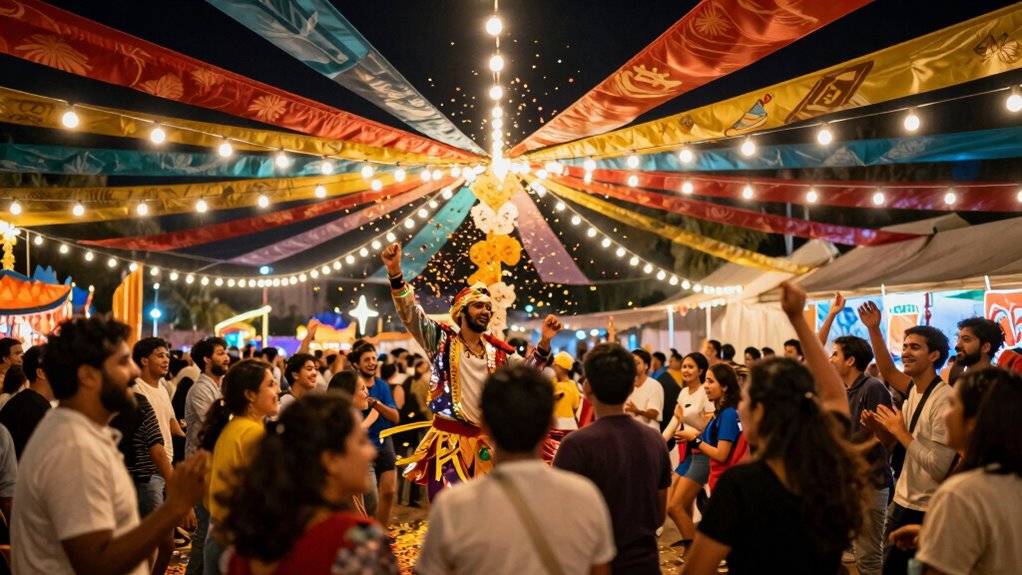
Using a 360 camera can elevate your festival coverage by encouraging audience engagement. Traditional footage often limits viewers to a fixed perspective, but with a 360-degree shot, they can explore the scene on their own. They can look around, focus on the bands, the crowd, or the art installations—whatever catches their interest. This freedom increases their emotional connection to the content because they’re not just watching; they’re exploring. It’s akin to giving them a virtual ticket to the festival, but with the added benefit of control over what they see. Additionally, understanding the emerging trends in digital publishing can help you better integrate innovative formats like 360 content into your strategy. However, it’s important to think about the technical aspects. 360 cameras often require more planning, especially for capturing good VR content. You need to think about camera placement, lighting, and how to handle audio, since sound plays a crucial role in creating a convincing VR environment. Proper content calibration ensures accurate color and image quality, which is vital for an immersive experience. Additionally, editing 360 footage demands specific software and skills, which might be a learning curve if you’re new to the technology. Incorporating spirituality insights can also enhance the way you present your content, fostering deeper emotional engagement with viewers. Despite these challenges, many creators find that the payoff—delivering a truly immersive festival experience—is worth the extra effort. Ultimately, whether a 360 camera is right for your festival content depends on your goals. If you aim to boost audience engagement and provide an immersive VR experience, investing in one can be a game-changer. It allows viewers to explore scenes actively rather than passively watching, which enhances their emotional connection and recall of the event. While it may require more preparation and some technical learning, the ability to create compelling, immersive content can set your coverage apart in a crowded digital landscape.
360 camera for festival coverage
As an affiliate, we earn on qualifying purchases.
As an affiliate, we earn on qualifying purchases.
Frequently Asked Questions
How Do 360 Cameras Handle Low-Light Festival Environments?
In low-light festival environments, 360 cameras handle the situation with varying effectiveness. Their low light performance depends heavily on sensor sensitivity, which determines how well they can capture details in dim conditions. Some models have larger sensors or specialized features that improve performance in low light. However, you might still notice graininess or noise, so choosing a camera with high sensor sensitivity and good low-light capabilities is essential for clear, vibrant footage.
What Is the Average Cost of a Quality 360 Camera?
A quality 360 camera typically costs between $300 and $1,000, depending on features and brand. With this investment, you can create virtual tours and immersive experiences that captivate your audience. Higher-end models offer better image quality and stabilization, making your festival content more engaging. Whether you’re showcasing a lively event or capturing detailed moments, a good 360 camera helps you deliver a dynamic perspective that draws viewers into the scene.
Are 360 Cameras Suitable for Live Streaming Festivals?
Yes, 360 cameras are suitable for live streaming festivals, enhancing virtual reality experiences and boosting audience engagement. You can capture immersive, panoramic views that make remote viewers feel like they’re part of the event. By using a 360 camera, you provide an interactive experience, allowing your audience to explore different angles and moments, making your festival coverage more dynamic and engaging for viewers tuning in virtually.
How Difficult Is It to Edit 360 Festival Footage?
Editing 360 festival footage can be challenging, but it’s manageable once you understand the post-production workflow. You’ll need compatible editing software like Adobe Premiere Pro or Final Cut Pro, which support 360-degree formats. The process involves stitching, color correction, and adding effects, which might take longer than traditional editing. However, with practice and the right tools, you can create immersive content that captures the festival’s energy beautifully.
Do 360 Cameras Require Special Storage or Handling?
Yes, 360 cameras do require special handling and storage considerations. Their storage requirements are higher because of large video files, so you’ll need ample memory cards or external drives. Handle them carefully to avoid damage to delicate lenses and sensors, especially in crowded festival environments. Always keep the camera in a protective case when not in use, and avoid exposure to extreme temperatures or moisture to guarantee peak performance.
best 360 degree camera for video
As an affiliate, we earn on qualifying purchases.
As an affiliate, we earn on qualifying purchases.
Conclusion
So, is a 360 camera your ticket to unforgettable festival content? It could be, but the decision isn’t just about gear—it’s about capturing the vibe, the energy, the moments that matter most. Will you risk missing out on that immersive experience, or will you seize the opportunity to create something truly extraordinary? The choice is yours. But remember, the right shot can change everything—are you ready to discover what’s possible?
VR 360 camera for events
As an affiliate, we earn on qualifying purchases.
As an affiliate, we earn on qualifying purchases.
immersive 360 camera equipment
As an affiliate, we earn on qualifying purchases.
As an affiliate, we earn on qualifying purchases.