
To plan a festival aftermovie from first shot to final cut, start by scouting the venue and creating a shot list focused on capturing crowd energy, authentic reactions, and key moments. Use varied angles, compositions, and movement to add visual interest. Film more footage than needed, stay flexible during the event, and prioritize genuine festival spirit. When editing, combine dynamic shots with storytelling to craft an immersive, energetic final product. Exploring further will reveal how to turn your footage into an unforgettable festival story.
Key Takeaways
- Scout the venue and develop a shot list focusing on crowd energy, key moments, and dynamic angles.
- Capture authentic reactions and active participation to convey festival atmosphere effectively.
- Use varied shot compositions, including wide and close-up shots, to tell a compelling visual story.
- Record more footage than needed, maintaining flexibility to adapt to spontaneous moments.
- In post-production, select vibrant, impactful clips, and craft a lively, emotionally resonant final cut.
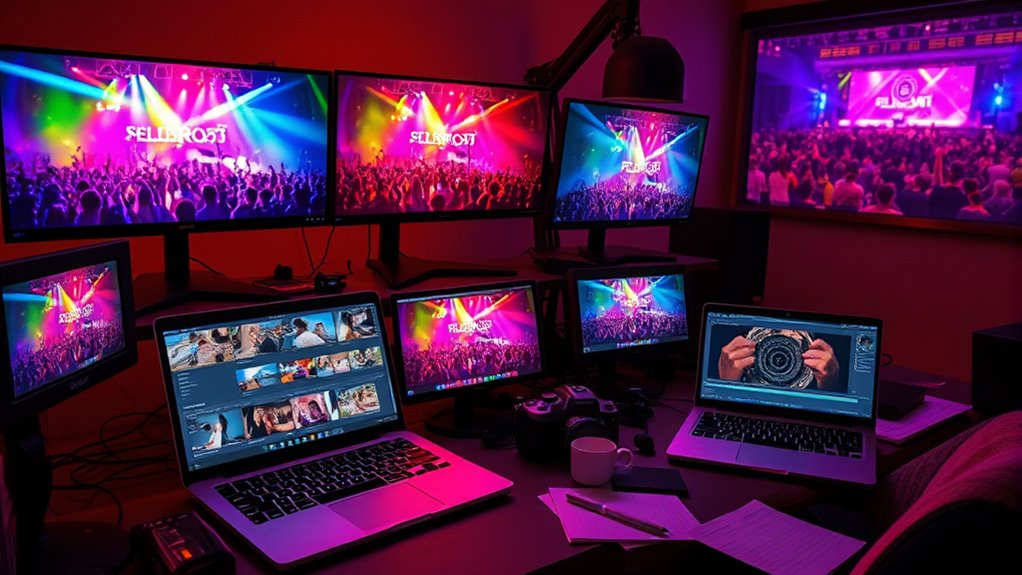
Creating a compelling festival aftermovie starts with careful planning. From the moment you arrive at the event, you need to think about how you’ll capture the energy and essence of the festival in your footage. One of your top priorities should be crowd engagement. You want viewers to feel like they’re right there, experiencing the excitement firsthand. To do this, focus on filming moments when the crowd is actively participating—dancing, cheering, or interacting with performers. These scenes will convey the festival’s vibe and make your aftermovie more lively and authentic. Keep your camera ready to catch genuine reactions, spontaneous interactions, and dynamic group shots that illustrate the crowd’s enthusiasm. Remember, the more you can showcase crowd engagement, the more compelling your final product will be.
Next, pay close attention to shot composition. Good shot composition is essential for creating a visually appealing and engaging aftermovie. Think about framing your shots deliberately—use the rule of thirds to position key elements, ensure your subjects are in focus, and avoid cluttered backgrounds that distract viewers. When capturing performers, wide shots can convey scale, while close-ups reveal emotion and detail. For crowd scenes, try to include a mix of wide-angle shots that show the size of the audience and tighter shots of individuals or small groups to add intimacy. Use movement intentionally—panning across the scene to follow the action or zooming in on a crowd’s reaction at a peak moment. Proper shot composition helps tell a story within your footage, guiding viewers through the festival experience naturally and effectively. Additionally, understanding the contrast ratio of your footage can significantly impact the perceived vibrancy and clarity of your scenes, especially in varying lighting conditions.
Planning your shot list ahead of time can streamline this process. Scout the venue beforehand to identify the best spots for capturing crowd engagement and interesting compositions. During the event, stay flexible but stick to your plan as much as possible. Use different angles, perspectives, and focal lengths to add variety and visual interest. It’s also important to record more footage than you think you’ll need—this gives you options during editing. Keep in mind that good shot composition isn’t just about aesthetics; it’s about storytelling. Each frame should serve a purpose, whether it’s highlighting a key moment, showcasing the crowd’s energy, or emphasizing the performers’ passion. When you combine crowd engagement with carefully crafted shot composition, your aftermovie will resonate more deeply with viewers and authentically capture the festival’s spirit.

Goopow Kids Camera Toys for 3-8 Year Old Girls Boys,Children Digital Video Camcorder Camera with Cartoon Soft Cover, Best Chritmas Birthday Festival Gift for Kids – 32G SD Card Included
【Best Gift Camera for Kids】- This kids camera is an ideal camera as a Christmas gift birthday gift…
As an affiliate, we earn on qualifying purchases.
As an affiliate, we earn on qualifying purchases.
Frequently Asked Questions
What Legal Considerations Are Involved in Filming at Festivals?
When filming at festivals, you need to address permitting requirements and copyright issues. Make sure you obtain all necessary permits from festival organizers to avoid legal trouble. Respect copyright laws by securing rights for music, images, and footage you plan to use. Always get releases from identifiable individuals on camera. Staying compliant with these legal considerations helps you create your aftermovie smoothly and avoids potential lawsuits or disputes.
How Do I Select the Best Music for the Aftermovie?
You should choose music that matches the mood of your festival footage, enhancing the overall vibe. Make sure you have proper music licensing to avoid legal issues, especially if you plan to share widely. Focus on tracks that evoke the energy, emotions, or atmosphere you want viewers to experience. By selecting music that fits the scene and securing the right licenses, your aftermovie will feel authentic and enthralling.
What Equipment Is Essential for Capturing High-Quality Footage?
Your camera gear is your superhero—without it, capturing epic festival moments is impossible. You need a reliable camera with excellent stabilization to keep footage steady during lively action. Don’t forget lighting equipment to brighten scenes and enhance colors, especially in low-light settings. A good tripod and portable gimbal help maintain smooth shots. With these essentials, you’ll create a high-quality footage that truly captures the festival’s energy.
How Can I Involve Festival Attendees in the Aftermovie?
You can involve festival attendees in the aftermovie by conducting quick attendee interviews, capturing their reactions, and sharing their stories. Encourage them to share their favorite moments on social media using specific hashtags, which you can then incorporate into the final edit. This not only adds authenticity but also boosts engagement, making viewers feel connected to the festival experience and increasing the aftermovie’s reach.
What Are Common Post-Production Challenges and How to Overcome Them?
You might face post-production challenges like editing delays and color grading issues. To overcome editing delays, set clear deadlines and break the project into manageable sections. For color grading, use consistent presets and double-check footage for uniformity. Staying organized and communicating with your team helps guarantee smooth progress, so you can deliver a polished aftermovie that captures the festival’s vibe without unnecessary setbacks.
professional drone for filming festivals
As an affiliate, we earn on qualifying purchases.
As an affiliate, we earn on qualifying purchases.
Conclusion
Now that you’ve planned every shot and edited your footage, your festival aftermovie is almost ready to dazzle. Remember, even if you feel like you’re channeling a bit of Spielberg or Tarantino, trust your vision and have fun with it—after all, this is your masterpiece. Don’t forget to back up your files and stay flexible; sometimes, the best moments happen when you least expect them. Just like the DeLorean, your film will transport viewers straight to the heart of the festival.
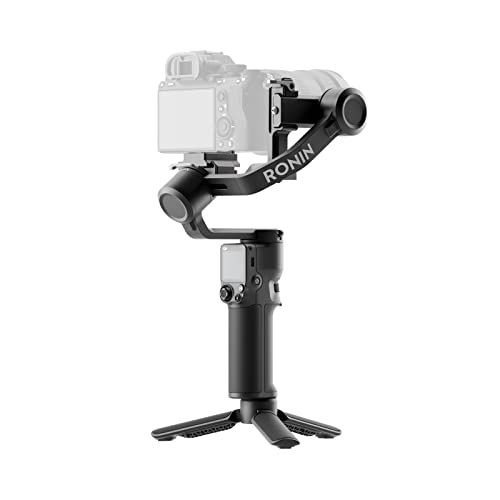
DJI RS 3 Mini, 3-Axis Gimbal Stabilizer for Cameras Canon/Sony/Panasonic/Nikon/Fujifilm, 2 kg (4.4 lbs) Tested Payload, Camera Gimbal with Native Vertical Shooting, Black
795g (1.75lbs) Lightweight and Portable – DJI RS 3 Mini is an ultra-compact gimbal stabilizer for camera convenient…
As an affiliate, we earn on qualifying purchases.
As an affiliate, we earn on qualifying purchases.

GoorDik Wireless Lavalier Microphone for iPhone, Android, USB C, PC, Camera Video Recording 4 in 1 Clip-on Mics with Rotatable Clip&Denoise Recording, for Vlog Tiktok YouTube Podcast Content Creator
Superior Sound with Active Denoise: Experience exceptional sound clarity with the GoorDik 4-in-1 wireless lavalier mic featuring advanced…
As an affiliate, we earn on qualifying purchases.
As an affiliate, we earn on qualifying purchases.