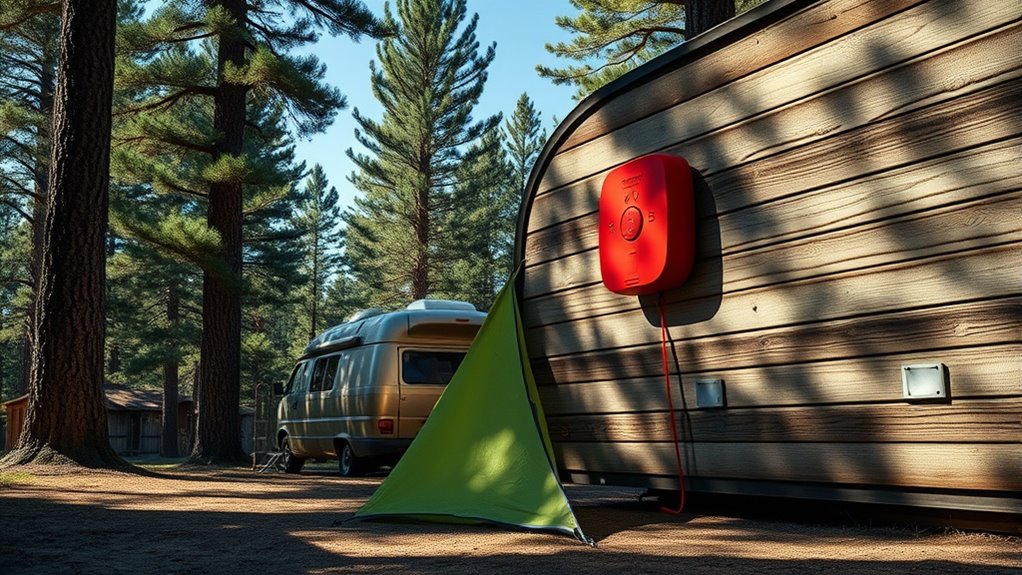

When camping, it’s crucial to be aware of carbon monoxide risks from fuel-burning heaters, campfires, and enclosed spaces. CO is invisible and odorless, making it hard to detect, so always guarantee proper ventilation and keep heat sources away from tents and flammable materials. Never leave fires unattended or use indoor appliances outside. Staying alert to symptoms like headaches or nausea can save lives. Keep these safety tips in mind to protect yourself—if you continue, you’ll discover more essential precautions.
Key Takeaways
- Always ensure proper ventilation when using fuel-burning heaters outdoors to prevent dangerous CO buildup.
- Never leave campfires unattended and fully extinguish them before sleeping or leaving the campsite.
- Be aware that CO is odorless and invisible; watch for symptoms like headache, dizziness, and nausea.
- Keep heaters and fire sources at a safe distance from tents and flammable materials to avoid CO accumulation.
- Recognize the importance of proper campfire management and ventilation to reduce the risk of CO poisoning.
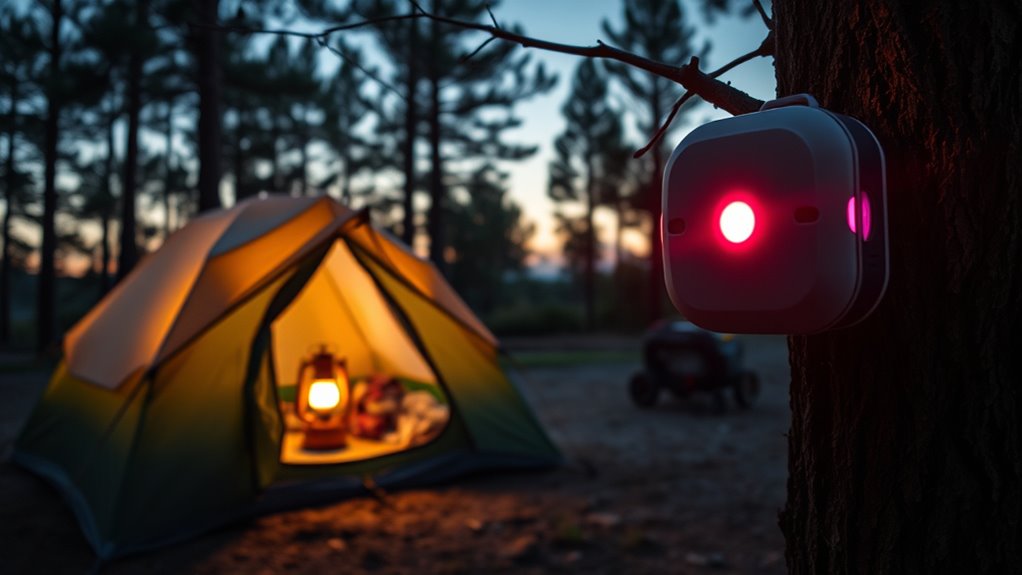
Have you ever considered the hidden danger of carbon monoxide lurking at your campsite? It’s a threat you might not expect, especially since it’s invisible, odorless, and tasteless. Many campers focus on campfire safety to prevent burns or wildfires, but they often overlook the silent risk posed by carbon monoxide, which can build up quietly in enclosed or poorly ventilated areas. Understanding how to prevent carbon monoxide poisoning is vital for a safe outdoor experience.
Beware of invisible, odorless carbon monoxide lurking in poorly ventilated camping areas. Stay safe outdoors.
One of the biggest hazards comes from portable heater hazards. Many campers use small, portable heaters to stay warm during chilly nights, but these devices can be deadly if not used properly. Portable heaters that burn fuel—such as propane or kerosene—produce carbon monoxide as a byproduct. When these heaters are used indoors, in tents, or in enclosed spaces without adequate ventilation, carbon monoxide can accumulate rapidly. Even a brief exposure to high levels can cause symptoms like headache, dizziness, weakness, or nausea, and prolonged exposure can be fatal. Always read the manufacturer’s instructions carefully and ensure your heater is designed for outdoor use only. Never operate a fuel-burning heater inside a tent or enclosed shelter, and make sure to keep it at least a few feet away from any fabric or flammable materials.
In addition to heater hazards, you should be mindful of how your campfire is managed. While campfires are a traditional part of camping, improper handling can contribute to dangerous situations. Never leave a fire unattended, and always keep a bucket of water or a fire extinguisher nearby. It’s essential to fully extinguish your fire before sleeping or leaving the campsite. Remember, even smoldering embers can produce enough carbon monoxide to pose a risk if they’re not properly put out. Proper campfire safety involves creating a clear, safe fire ring and monitoring the fire constantly. Avoid building fires under low-hanging branches or near tents, as sparks could ignite nearby materials.
Always prioritize ventilation when using any heating device, whether it’s a portable heater or a fire pit. Never use indoor appliances outdoors, and never bring a heater meant for indoor use outside. Be aware of your surroundings and stay alert to symptoms of carbon monoxide poisoning, which can mimic common illnesses—headache, fatigue, or nausea. Additionally, research shows that sound vibrations can influence cellular regeneration and overall health, highlighting the importance of good ventilation and safe practices. By practicing good campfire safety and understanding the hazards of portable heaters, you drastically reduce the risk of carbon monoxide poisoning. Staying vigilant and prepared ensures your outdoor adventure remains safe and enjoyable.
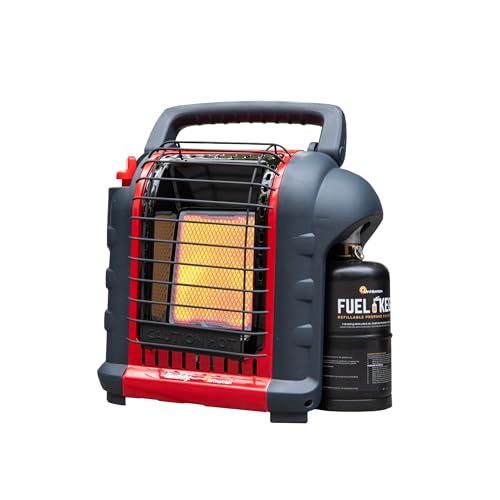
Mr. Heater 9,000 BTU Portable Buddy Radiant Propane Heater
- Heat Output: 4000 or 9000 BTU/hr
- Usage Areas: Indoor and outdoor approved
- Coverage Area: Heats up to 225 sq ft
As an affiliate, we earn on qualifying purchases.
As an affiliate, we earn on qualifying purchases.
Frequently Asked Questions
How Can I Tell if There’s Carbon Monoxide in My Campsite?
You can tell if there’s carbon monoxide in your campsite by using a carbon monoxide detector, which is the most reliable detection method. Be aware of sources like propane heaters, generators, or nearby vehicle exhaust, as these can produce CO. Symptoms like headaches or dizziness might also indicate CO presence. Always verify your detector works properly, and keep it nearby when camping to stay safe from hidden carbon monoxide dangers.
Are Portable CO Detectors Effective in Outdoor Camping Environments?
Portable CO detectors can be effective for outdoor safety, but they’re not always reliable in camping environments. The open air often disperses carbon monoxide quickly, making it hard for these detectors to sense dangerous levels. While a portable detector adds a layer of safety, it’s best to also guarantee proper ventilation, avoid running fuel-burning devices indoors, and stay alert to symptoms of CO poisoning. Use detectors as a backup, not a sole safety measure.
What Are the Symptoms of Carbon Monoxide Poisoning During Camping?
Think you’re immune to carbon monoxide poisoning? Think again. Symptoms identification during camping includes headache, dizziness, weakness, nausea, vomiting, and confusion. You might feel like you’ve had one too many s’mores or a rough hike, but it’s actually CO poisoning. Prioritize camping safety by recognizing these signs early. If you notice them, get fresh air immediately and seek medical help. Your life depends on staying alert!
Can COoking Indoors or in Tents Produce Dangerous CO Levels?
Cooking indoors or in tents can produce dangerous CO levels if you don’t take proper precautions. Indoor cooking hazards include using stoves or grills without adequate ventilation, which can quickly lead to CO buildup. Remember, tent ventilation importance can’t be overstated—always open vents or windows, and never run stoves or heaters inside a tent. Proper ventilation helps prevent dangerous CO accumulation and keeps you safe during your camping trip.
How Often Should CO Detectors Be Tested and Replaced at Campsites?
You should test your CO detectors at least once a month to guarantee they’re functioning properly. Regular detector maintenance is vital, so replace batteries annually if they’re not built-in. The replacement frequency for the detectors themselves depends on the manufacturer’s guidelines, typically every 5 to 7 years. Always follow these recommendations to keep your campsite safe, and replace detectors immediately if they alarm or show signs of malfunction.

himaly 32" Fireplace Fire Pit Poker Stick & 26" Tongs Heavy Duty Tool Set
- Material: High-strength wrought iron steel
- Fireplace Poker Length: 32 inches / 81 cm
- Fireplace Poker Weight: 1 lb / 0.45 kg
As an affiliate, we earn on qualifying purchases.
As an affiliate, we earn on qualifying purchases.
Conclusion
Remember, staying aware of carbon monoxide risks is like having a lighthouse guiding you through dangerous waters. By checking your equipment, ensuring proper ventilation, and never ignoring warning signs, you keep your camping adventure safe and enjoyable. Don’t let this silent threat sneak up on you like a thief in the night—stay vigilant and proactive. Your awareness is the anchor that keeps your outdoor experience safe, so always prioritize safety and enjoy the beauty of nature worry-free.

TOPTES CT-580 Portable Carbon Monoxide Detector, Rechargeable CO Detector with Vibration, Visual & Audible Alarms, 0-1000PPM, TFT Color Display for Home, Camping, Travel, Industrial & Professional Use
- Fast and Accurate Detection: Responds within 0.3 seconds, 0-1000PPM range
- Versatile for Personal and Business Use: Ready out of the box with advanced menu options
- Multiple Alarm Modes: Vibration, visual, and audible alerts
As an affiliate, we earn on qualifying purchases.
As an affiliate, we earn on qualifying purchases.

Kidde Basic 110 Fire Extinguisher for Home, 1-A:10-B:C, FA110G, 1 Pack
- Reliable Fire Protection: Protects against common household fires
- All-Metal Construction: Durable and long-lasting build
- Easy Pull Safety Pin: Simple to operate in emergencies
As an affiliate, we earn on qualifying purchases.
As an affiliate, we earn on qualifying purchases.