When you get bitten or stung, act fast by removing yourself from the insect’s reach and gently scraping out embedded stingers with tweezers or a fingernail. Wash the area thoroughly, then apply a cold compress for 10-15 minutes to ease pain and swelling. Use over-the-counter pain relievers, antihistamines, and topical treatments like hydrocortisone cream for relief. Keep an eye on symptoms, and if things worsen or signs of infection appear, seek medical help. Keep learning how to handle these situations effectively.

Get movie nights delivered free — and shop member deals
- Fast, free delivery on millions of items
- Access to Prime Big Deal Days deals on October 6–7
- Prime Video, Amazon Music and more included
Key Takeaways
- Remove the insect from contact immediately and gently scrape out embedded stingers without squeezing.
- Apply a cold compress for 10-15 minutes to reduce pain and swelling.
- Use over-the-counter pain relievers and antihistamines to manage symptoms promptly.
- Keep the area clean, monitor for signs of infection or allergic reactions, and seek medical help if symptoms worsen.
- Be prepared with first aid supplies and seek urgent care for severe reactions like difficulty breathing or extensive swelling.
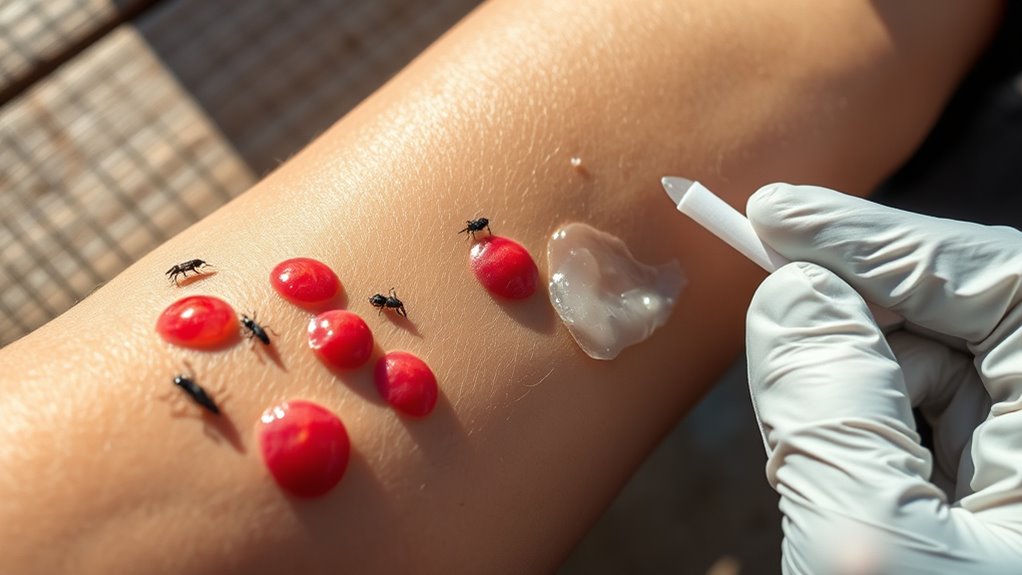
When you spend time outdoors, bug bites and stings are common nuisances that can cause discomfort or even health problems. Whether you’re hiking, picnicking, or simply relaxing in your yard, encountering insects is almost inevitable. The key is knowing how to respond quickly to minimize pain, swelling, and the risk of infection. Acting promptly can make a significant difference in your comfort and recovery.
The first step is to remove yourself from the insect’s reach if you notice a sting or bite happening. Once you’re safe, examine the area carefully. For bites, you might see a small bump, redness, or itching. For stings from bees or wasps, you may notice the stinger still embedded in your skin. If so, use a pair of tweezers or a fingernail to gently scrape it out. Avoid squeezing the stinger, as this can release more venom. After removal, wash the area thoroughly with soap and water to reduce the risk of infection.
Remove yourself from the insect and gently scrape out embedded stingers with tweezers to prevent further venom release.
Next, apply a cold compress or ice pack wrapped in a cloth to the affected area. This helps numb the pain and reduces swelling. Keep it in place for about 10 to 15 minutes, and repeat as needed. Over-the-counter pain relievers, like ibuprofen or acetaminophen, can also help alleviate discomfort. If you have antihistamines like diphenhydramine, taking them can help control itching and allergic reactions.
For itching and inflammation, topical treatments are effective. Apply an over-the-counter hydrocortisone cream or calamine lotion to soothe irritated skin. An antihistamine cream or oral medication can further reduce allergic symptoms if they are more severe. If you notice increased redness, swelling, or warmth around the bite or sting, or if you develop a fever or difficulty breathing, seek medical attention immediately. These could be signs of an infection or a severe allergic reaction requiring prompt treatment.
In addition, keep an eye on the bite or sting site over the following days. If it becomes increasingly painful, shows signs of pus, or if you develop a spreading rash, consult a healthcare professional. Remember, the sooner you act, the better your chances of avoiding complications. Staying calm during the process helps you think clearly and take the right steps. Being prepared with basic first aid supplies like tweezers, cold packs, and allergy medications can make your outdoor adventures safer and more enjoyable. Quick responses not only reduce discomfort but also help you avoid infections and other health issues that insect bites and stings can cause. Proper projector calibration and quick action are key to managing insect bites effectively.
bug bite and sting first aid kit
As an affiliate, we earn on qualifying purchases.
As an affiliate, we earn on qualifying purchases.
Frequently Asked Questions
When Should I See a Doctor for a Bug Bite or Sting?
You should see a doctor if you experience severe allergic reactions like difficulty breathing, swelling beyond the bite area, or dizziness. Also, seek medical help if the bite or sting gets worse over time, shows signs of infection such as pus or spreading redness, or if you develop a fever. If the bite was from a tick, or if you notice signs of illness after a sting, consult a healthcare professional promptly.
How Can I Prevent Bug Bites During Outdoor Activities?
To prevent bug bites during outdoor activities, you should dress smart—cover your skin with long sleeves and pants, and choose light-colored clothing so bugs can’t hide easily. Apply insect repellent generously, especially around ankles and wrists, because bugs love to attack those tempting spots. Stay away from standing water and shaded areas where mosquitoes hang out. Basically, act like a bug-fighting ninja, and you’ll stay bite-free—until you forget your repellent, that is.
Are There Natural Remedies Effective for Bug Bites?
Yes, natural remedies can be effective for bug bites. You might apply aloe vera gel to soothe itching and reduce inflammation. Using honey or tea tree oil can also help prevent infection due to their antibacterial properties. A paste of baking soda and water can relieve itching as well. Additionally, rubbing lemon or eucalyptus oil offers a natural repellent. Always test on a small skin area first and discontinue if irritation occurs.
What Are the Signs of an Allergic Reaction to a Sting?
When a sting triggers an allergic reaction, you might notice swelling around the sting site, difficulty breathing, dizziness, or a rapid heartbeat. You could also develop hives or feel nauseous. If you experience these signs, don’t wait for a “perfect storm”—seek emergency medical help immediately. Acting quickly can make all the difference, so stay alert and get help if your symptoms escalate or worsen.
Do Different Bugs Require Different Treatment Approaches?
Yes, different bugs require different treatment approaches. For example, bee or wasp stings often cause immediate pain and swelling, so you should remove the stinger and apply ice. Mosquito bites usually just cause itching and might need antihistamines or topical creams. Fungal bites like ticks may need antibiotics. Recognizing the specific bug helps you choose the right treatment, ensuring faster relief and reducing complications.
hydrocortisone cream for insect bites
As an affiliate, we earn on qualifying purchases.
As an affiliate, we earn on qualifying purchases.
Conclusion
Now that you know how to respond quickly to bug bites and stings, you’re better prepared to handle the discomfort. Some say that certain plants like aloe vera can magically heal bites, but science shows it’s mainly the cooling relief that helps. So, trust proven remedies and stay vigilant. With these tips, you’ll stay relaxed and confident, turning pesky bugs into minor annoyances rather than major problems. You’ve got this!
ice pack for insect sting swelling
As an affiliate, we earn on qualifying purchases.
As an affiliate, we earn on qualifying purchases.
tweezers for embedded stinger removal
As an affiliate, we earn on qualifying purchases.
As an affiliate, we earn on qualifying purchases.
Fall Picks
fall essentials
As an affiliate, we earn on qualifying purchases.