

Harm reduction helps you minimize health risks whether you choose to stay sober or not. It encourages practical steps like using clean needles, setting drinking limits, and practicing safe sex to protect your well-being. This approach focuses on safety, autonomy, and reducing stigma, so you can make informed choices without feeling judged. If you want to learn more about how harm reduction can support your goals, keep exploring these strategies further.

Get movie-night favorites delivered free — and shop member deals
- Fast, free delivery on millions of items
- Access to Prime Big Deal Days deals on October 6–7
- Prime Video, Amazon Music and more included
Key Takeaways
- Harm reduction prioritizes safety and health over complete abstinence, accommodating individuals at different readiness levels.
- Practical strategies include using clean needles, supervised consumption sites, and alcohol moderation to minimize health risks.
- Safer sex practices, like condom use and education, reduce transmission of infections without requiring abstinence.
- Harm reduction fosters supportive environments that reduce stigma, encouraging engagement with health resources.
- It empowers individuals to make informed choices, promoting dignity and well-being regardless of their sobriety status.
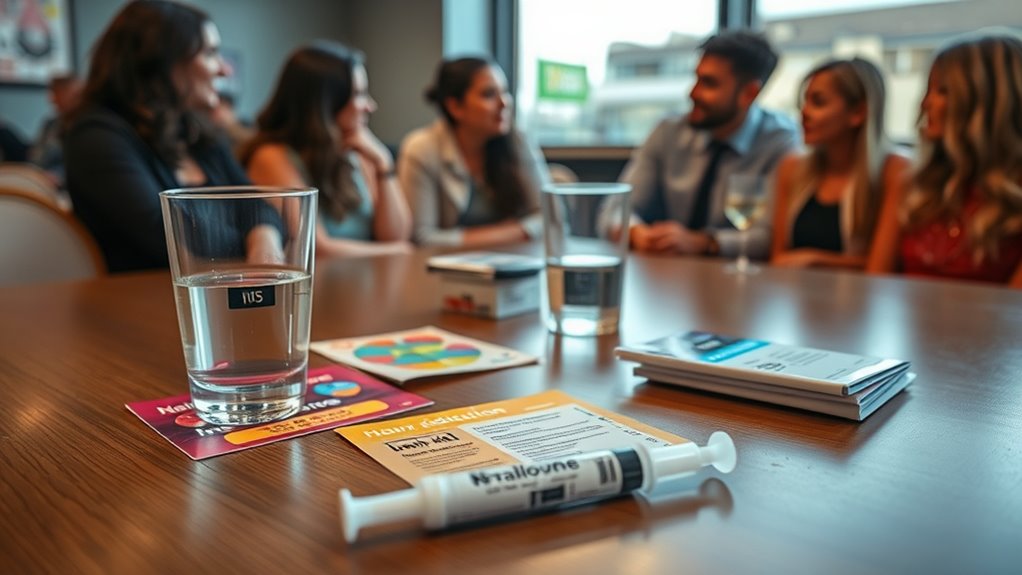
Have you ever wondered how public health professionals help reduce the negative consequences of risky behaviors? They do this through a strategy called harm reduction, which focuses on minimizing harm rather than insisting on complete abstinence. Instead of telling you to stop risky behaviors outright, professionals aim to make those behaviors safer if you choose to continue them. This approach recognizes that some people may not be ready or able to quit entirely, so it provides practical ways to lower the risks associated with things like drug use, alcohol consumption, or unsafe sex.
Harm reduction is about meeting you where you are. For example, if you’re using illegal drugs, professionals might recommend using clean needles or syringes to prevent the spread of diseases like HIV or hepatitis C. They also promote supervised consumption sites where you can use drugs safely under medical supervision. These services are designed to reduce the chance of overdose and other health complications. Instead of judgment, they offer support and resources that can help you make safer choices. The goal is not to shame or punish but to protect your health and well-being.
If alcohol is your concern, harm reduction can include strategies like setting limits on drinking or avoiding binge drinking sessions. Some programs distribute alcohol testers to help you gauge your blood alcohol content and prevent intoxication. For safer sex, distributing condoms or providing education about safe practices helps reduce the risk of sexually transmitted infections. In all these cases, the emphasis is on empowering you with tools and knowledge to make safer decisions, even if you continue risky behaviors. Additionally, incorporating cultural content like community-based education can improve engagement and trust in harm reduction efforts.
Public health professionals also work to reduce the stigma around these issues. When you feel judged or shamed, you’re less likely to seek help or use harm reduction services. Instead, they foster an environment of understanding and support, encouraging you to access resources without fear. This approach can lead to better health outcomes over time, as you’re more likely to engage with services that help you stay safe.
Ultimately, harm reduction isn’t about forcing you to stop risky behaviors but about giving you the tools to do them more safely. It recognizes your autonomy and respects your choices while prioritizing your health. By providing practical solutions and reducing negative consequences, public health professionals help you navigate the complexities of risky behaviors with dignity and support.
Frequently Asked Questions
How Effective Is Harm Reduction Compared to Abstinence?
Harm reduction is often more effective than abstinence because it meets you where you’re at, reducing risks without requiring total sobriety. It focuses on minimizing health and safety harms, which can lead to better long-term outcomes, especially if abstinence feels unachievable. While abstinence works for some, harm reduction offers a practical, compassionate approach that can help you stay healthier and safer, regardless of your current substance use.
Can Harm Reduction Strategies Be Applied to All Substances?
Harm reduction strategies can be applied to most substances, but their effectiveness varies. You can adapt these methods to reduce risks associated with alcohol, opioids, stimulants, and even cannabis. However, some substances require specialized approaches due to their unique effects and risks. It’s important to understand each substance’s specifics and work with professionals to develop tailored harm reduction plans that best suit your needs.
What Are the Potential Risks of Harm Reduction Approaches?
You might face risks like encouraging continued substance use, which could lead to dependency or health issues. There’s also a chance you’ll delay seeking treatment for underlying problems, or encounter unsafe practices if harm reduction isn’t properly implemented. Additionally, some may perceive harm reduction as condoning drug use, potentially affecting community perceptions or policies. To minimize these risks, make certain strategies are evidence-based and tailored to individual needs.
How Do Harm Reduction Programs Support Mental Health?
Harm reduction programs support your mental health by providing a nonjudgmental space where you can access resources, counseling, and support networks. They help reduce the stress and shame often linked to substance use, encouraging open communication. By prioritizing safety and connection, these programs can improve your emotional well-being, build resilience, and foster healthier coping strategies, ultimately promoting a more stable and positive mental state.
Are Harm Reduction Methods Legal in All Regions?
Harm reduction methods aren’t legal everywhere; laws vary widely depending on your region. You might find some areas where needle exchange programs or supervised consumption sites are permitted, while others ban them outright. It’s essential for you to check local regulations because illegal practices could lead to legal trouble. Staying informed helps you make safer choices and supports your health without unintentionally breaking the law.
Conclusion
Ultimately, choosing to walk a gentle path means steering clear of stormy seas. Harm reduction is like planting a sturdy tree—you may not make the weather perfect, but you create a safe haven for yourself. By tending to your journey with care and understanding, you build a peaceful grove where growth is possible, even amid the winds. Remember, sometimes the quietest streams carve the deepest valleys—small steps can lead to a calmer, more balanced life.
Halloween Picks
halloween
As an affiliate, we earn on qualifying purchases.