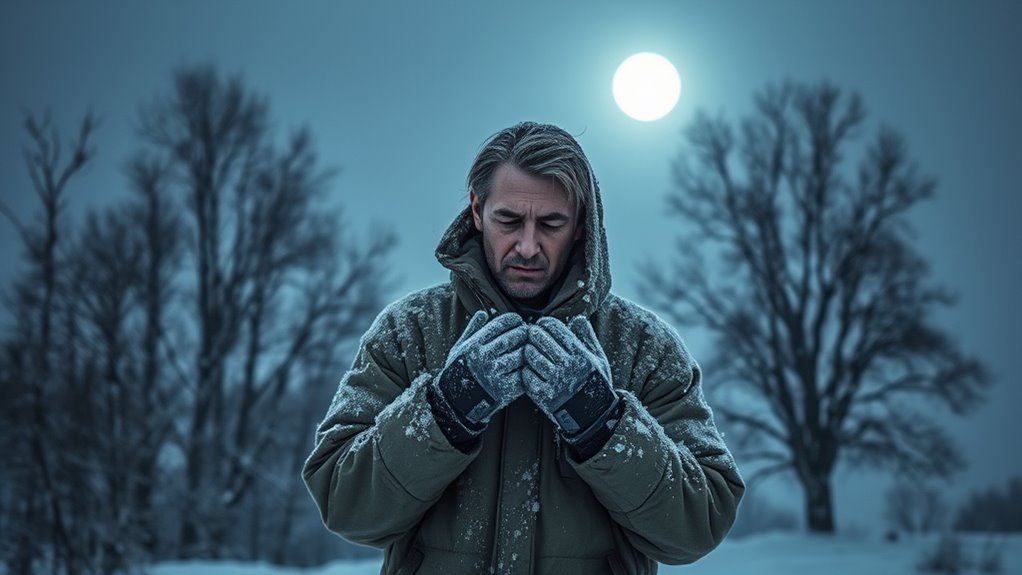

If you suspect hypothermia at night, look for warning signs like shivering, confusion, fatigue, or slurred speech. If these appear, get warm quickly by adding extra blankets, changing into dry clothes, and moving to a heated area. Avoid drafts and damp bedding, and keep emergency supplies nearby. Acting fast can save your life. Keep exploring to learn more about how to prevent and respond to nighttime hypothermia effectively.
Key Takeaways
- Recognize early signs such as shivering, confusion, and fatigue to identify hypothermia at night promptly.
- Move the affected person to a warmer environment and remove wet clothing to prevent further heat loss.
- Provide warm, dry blankets and layered clothing, focusing on core areas like the torso and neck.
- Offer warm beverages if the person is conscious and able to swallow to help raise body temperature.
- Seek emergency medical assistance immediately if symptoms worsen or do not improve.

Nighttime hypothermia occurs when your body temperature drops dangerously low while you sleep, often without realizing it. It can sneak up on you, especially if you’re not paying close attention to your clothing choices or prepared for cold conditions. Your clothing choices play a vital role in maintaining your body heat overnight. Wearing multiple layers, especially thermal or wool garments, helps trap heat and insulate your body. Avoid cotton, which retains moisture and can lead to rapid heat loss if you sweat or if your bedding gets damp. Instead, opt for moisture-wicking fabrics that keep you dry and warm. Ensuring your pajamas and bedding are appropriate for the expected temperatures is an easy way to prevent your body from cooling down too much during sleep. Using quality mattress toppers can also improve comfort and insulation, adding an extra barrier against the cold.
Wearing layered, moisture-wicking clothing prevents hypothermia while sleeping.
Emergency preparedness is equally essential in preventing hypothermia at night. If you’re camping or sleeping in an unfamiliar or cold environment, always carry extra blankets, thermal sleeping bags, and insulated mats. These items provide an added barrier against the cold ground and help preserve your body heat. It’s wise to have a plan in place for unexpected cold snaps, such as knowing how to quickly add layers or find shelter. Keeping a source of heat nearby, like hand warmers or portable heaters, can be lifesaving in extreme situations. Additionally, having a basic understanding of the signs of hypothermia can help you act swiftly if you or someone else starts to show symptoms.
You should also consider your surroundings when preparing for bed. Make sure your sleeping area is insulated from drafts and cold surfaces. Elevate your sleeping arrangement off the ground if possible, and use a tent or shelter that provides wind protection. These measures help you stay warm and reduce the risk of body heat loss throughout the night. In terms of emergency preparedness, it’s vital to have a survival kit accessible that includes warm clothing, emergency blankets, and a way to start a fire or generate heat if necessary.
Ultimately, preventing hypothermia at night involves a combination of good clothing choices and being prepared for emergencies. Always think ahead about the environment you’re sleeping in and pack accordingly. By doing so, you’ll considerably lower your risk of suffering from dangerously low body temperatures while you sleep. Staying warm isn’t just about comfort; it’s about protecting your health and life, especially in unpredictable conditions.

FARLAND Sleeping Bag for Adults, Cold Weather & Warm Plush Fleece-Lined Interior – Portable Waterproof Windproof with Compression Sack for Camping Hiking Traveling Indoor & Outdoor
Each Cold Weather Sleeping Bag measures 86.6 by 32.68 inches; Ideal for Most Users: Comfortably accommodates users up…
As an affiliate, we earn on qualifying purchases.
As an affiliate, we earn on qualifying purchases.
Frequently Asked Questions
Can Hypothermia Occur Indoors During Winter Nights?
Yes, hypothermia can occur indoors during winter nights if your home isn’t properly heated or if cold drafts seep in. You might not notice the cold initially, but prolonged exposure to low temperatures can lower your body temperature dangerously. To prevent this, make certain your indoor heating is adequate, seal drafts, and wear warm clothing. Staying vigilant helps protect you from hypothermia, even inside your house.
What Is the Fastest Way to Warm up Someone With Hypothermia?
When it’s a race against time, you need to act fast. To rapidly warm someone with hypothermia, start with emergency rewarming methods like wrapping them in warm blankets and applying warm packs to their core. Avoid direct heat, which can cause shock. You can also use rapid warming techniques such as warm, dry clothing and heated, non-alcoholic beverages if they’re conscious. Every second counts to bring their core temperature back up.
How Does Alcohol Consumption Affect Hypothermia Risk at Night?
Alcohol effects can increase hypothermia risks at night because it causes blood vessels to dilate, making you lose body heat faster. You might feel warm initially, but your core temperature drops quickly, raising your chances of hypothermia. Drinking alcohol in cold environments impairs judgment and slows your ability to recognize warning signs, so you may not seek shelter or warmth when you need it most, putting you at greater danger.
Are Certain Age Groups More Vulnerable to Nocturnal Hypothermia?
You might be surprised, but elderly individuals are more vulnerable to nocturnal hypothermia due to thinner skin and less effective thermoregulation. Children are also at increased risk because their bodies heat up and cool down faster, making them susceptible to temperature drops. If you’re caring for these groups, pay extra attention to warmth and shelter at night. Recognizing their vulnerability helps you prevent dangerous hypothermia episodes.
Can Medications Influence Hypothermia Symptoms or Risk?
Yes, medications can influence hypothermia symptoms and risk. You might experience medication side effects like dizziness or drowsiness, which can impair your ability to recognize early hypothermia signs. Additionally, drug interactions can alter your body’s temperature regulation, increasing vulnerability at night. Always check with your healthcare provider about your medications’ effects, especially if you’re exposed to cold environments, to help prevent hypothermia.

TEEPIRE Women 's Thermal Underwear Set with Lightweight Ultra Soft Fleece Lined,Long John Set, Moisture-Wicking Skiing Base Layer (Medium) Black
【More snug and warmer】Teepire ’s long john set become more snug &warmer after upgraded the fabric combination,with 92%…
As an affiliate, we earn on qualifying purchases.
As an affiliate, we earn on qualifying purchases.
Conclusion
Remember, staying alert to hypothermia signs can save your life, even in this brave new world of constant connectivity. If you notice shivering, confusion, or cold skin, act quickly—don’t wait for a sci-fi AI to tell you what’s wrong. Keep warm, seek shelter, and don’t forget your vintage hand-crank radio; it might be your lifeline in a crisis. Stay safe tonight, and tomorrow’s adventures will thank you for it.
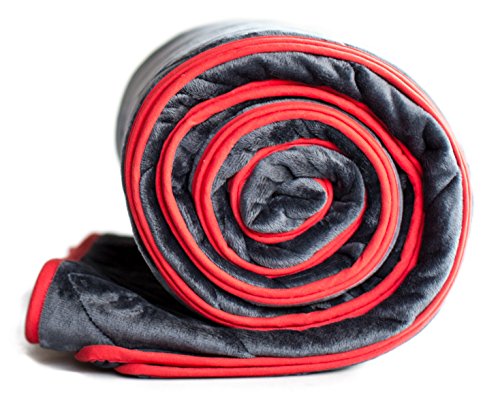
Alki Twilight Thermal Mattress Topper – Indoor or Outdoor Sleeping Pad Cover – Queen Mattress Topper – Insulated to Keep You Warm Naturally – Great for Camping, Hiking, Outdoors – 80 x 60 Inches
Insulated Mattress Pad – This body heat insulating mattress pad features reflective metallic insulation to capture your body…
As an affiliate, we earn on qualifying purchases.
As an affiliate, we earn on qualifying purchases.

Large Hand & Body Warmers (45 Count) – Up to 18 Hours of Heat, Super Long Lasting – Easy, All Natural – Air Activated, for Body, Hands & Toes – Odorless Hot Hand Warmer – Sport Temp (45 Pack)
CONTAINS: 45 individual packed warmers.
As an affiliate, we earn on qualifying purchases.
As an affiliate, we earn on qualifying purchases.