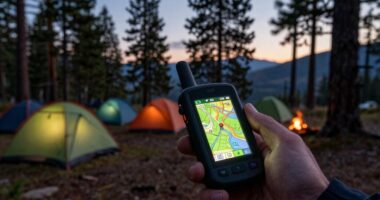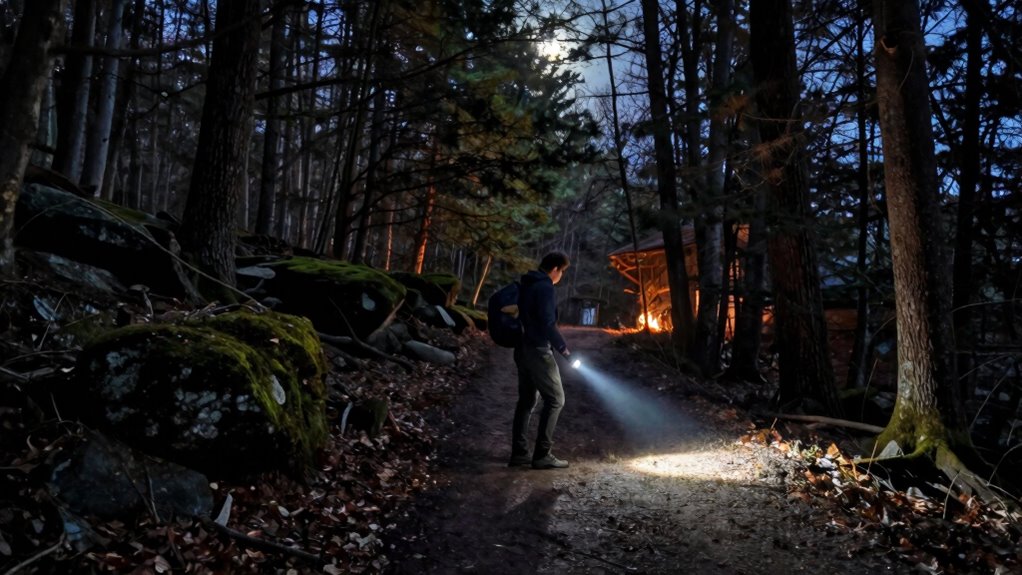

To stay safe walking back to camp at night, carry a reliable flashlight and keep it handy to illuminate your path without startling wildlife. Stay on established trails, avoid wearing strong scents, and maintain a safe distance if you see animals. Keep emergency tools like a whistle or deterrents nearby, and inform someone of your route and expected arrival time. Being aware of your surroundings and knowing how to respond can make all the difference if an unexpected situation arises. If you’d like to learn more, there’s valuable safety advice to take into account.

Get movie nights delivered free with Prime
- Fast, free delivery on millions of items
- Prime Video, Amazon Music and more included
- Member-only deals all year
Key Takeaways
- Carry a reliable flashlight and use it to light your path without startling wildlife.
- Stay on established trails and avoid shortcuts to reduce encounter risks.
- Maintain a safe distance and remain calm if wildlife is nearby; do not run.
- Inform someone of your route, expected return time, and carry emergency signaling devices.
- Move deliberately, stay alert, and avoid wearing scented products to prevent attracting animals.
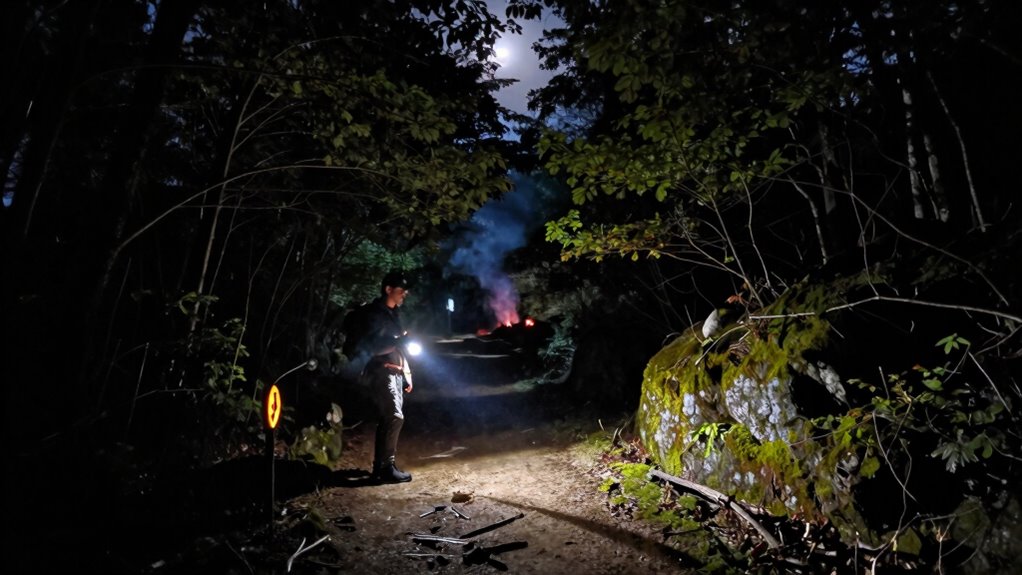
Walking back to camp at night can be risky, but with the right precautions, you can stay safe and avoid trouble. Darkness limits your visibility, making it harder to spot obstacles or potential threats. One of the most important things you can do is stay alert and keep your senses sharp. Keep your flashlight handy, and make sure it’s working well before you head out. Use it to illuminate your path, but avoid shining it directly into wildlife or across open spaces, as sudden bright lights can startle animals or attract unwanted attention.
Wildlife encounters are a real concern after dark. Animals like bears, mountain lions, or even smaller creatures can feel threatened or curious, depending on the species. To reduce the risk, avoid wearing strong scents like perfumes or scented toiletries, and keep a safe distance if you see any wildlife. If you do encounter an animal, don’t run; instead, stand tall, speak calmly, and slowly back away. If you’re worried about potential encounters, consider carrying bear spray or other deterrents. Staying on established trails and sticking to familiar routes can also help you avoid surprise encounters with wildlife, especially in unfamiliar terrain. Additionally, understanding wildlife behavior can better prepare you to react appropriately if you come across animals during your night walk. Being aware of how animals react to humans can help you maintain safe distances and avoid provoking aggression.
Avoid strong scents and stay on familiar trails to reduce wildlife encounter risks after dark.
Emergency signaling is critical if you find yourself in trouble or lost. Carrying a whistle is a simple yet effective way to attract attention if needed. Three short blasts is a universal distress signal and can alert others nearby that you need assistance. If you have a cell phone, keep it charged and within reach, but don’t rely solely on it—coverage can be spotty in remote areas. Consider carrying a personal locator beacon (PLB) or satellite messenger if you’re venturing into more isolated regions. These devices can send emergency signals with your GPS location to rescue services, greatly increasing your chances of being found quickly.
Another key tip is to plan your route carefully before dark falls. Use maps or GPS devices to stay on marked trails, and let someone know your expected return time and route. If you get disoriented, stop and assess your surroundings rather than wandering aimlessly. Use your emergency signaling tools if you need help, and stay calm. Remember, the goal is to minimize risks by being prepared, staying aware of your environment, and knowing how to communicate if trouble arises. Being familiar with outdoor safety tips and understanding the environment around you can significantly enhance your chances of staying safe in the wilderness. Additionally, familiarizing yourself with wildlife behavior patterns can help you anticipate animal reactions and reduce the likelihood of dangerous encounters.
As an affiliate, we earn on qualifying purchases.
Frequently Asked Questions
What Should I Do if I Encounter Wildlife on My Way Back?
If you encounter wildlife on your way back, stay calm and avoid sudden movements. Observe their behavior; most animals prefer to avoid humans. Use emergency deterrents like bear spray if they approach aggressively. Make yourself look bigger by raising your arms or backpack, and speak loudly to deter them. Never turn your back or run. Remember, understanding wildlife behavior helps you stay safe, and emergency deterrents are your best defense if they get too close.
How Can I Improve My Visibility in Low-Light Conditions?
To truly see in near-total darkness, you need superhero-level visibility! Wear reflective clothing that glows like a beacon and master flashlight techniques—like sweeping the beam side to side and using your body as a shield to maximize light. These tricks turn your surroundings into a well-lit stage, helping you spot hazards early. With these tips, you’ll navigate even the darkest night with confidence and safety.
What Emergency Supplies Should I Carry for Night Walks?
You should carry flashlight essentials like a reliable flashlight or headlamp to illuminate your path clearly. An emergency whistle is also vital; it can attract attention if you get lost or need help. Additionally, pack a small first aid kit, a multi-tool, and some extra batteries. These supplies guarantee you’re prepared for unexpected situations, keeping you safe and confident during night walks back to camp.
How Do I Recognize and Avoid Dangerous Areas?
Keep your eyes peeled for lighting hazards and unsafe shortcuts, as they’re often signs of danger. Trust your instincts—if an area looks sketchy or poorly lit, it’s best to steer clear. Stick to well-lit, populated paths and avoid shortcuts through dense woods or overgrown areas. Recognizing these signs helps you steer clear of trouble, ensuring you stay safe while making your way back to camp after dark.
What Are the Best Signaling Methods if I Get Lost?
If you get lost, use whistle signaling by blowing three short blasts to attract attention. You can also use mirror signals, flashing sunlight with a mirror toward rescuers or aircraft by creating flashes. Both methods are effective and simple to remember. Keep your whistle handy and practice mirror signaling if possible. These signals help rescuers locate you quickly, increasing your chances of safe recovery.
As an affiliate, we earn on qualifying purchases.
Conclusion
Staying safe on your walk back to camp at night is like steering through a dark forest with a trusty flashlight—you need to stay alert and aware of your surroundings. Trust your instincts, stick to well-lit paths, and avoid distractions. Keep your phone handy in case of emergencies. By staying cautious and prepared, you’ll navigate the night safely, just as a seasoned hiker finds their way through the woods—confident and in control.
As an affiliate, we earn on qualifying purchases.
As an affiliate, we earn on qualifying purchases.
Halloween Picks
halloween
As an affiliate, we earn on qualifying purchases.