

If your vehicle is stuck in sand, start by slightly deflating your tires to improve traction, aiming for around 15-20 PSI. Use traction aids like mats, sturdy branches, or rocks placed in front of the drive wheels, then drive forward slowly, avoiding sudden acceleration. Employ a gentle rocking motion between drive and reverse if needed. Keep calm and patient, and don’t forget to re-inflate your tires after freeing the vehicle—more tips await if you look further into effective recovery methods.
Key Takeaways
- Slightly deflate tires to 15-20 PSI to increase traction, then re-inflate after recovery.
- Use traction aids like mats or sturdy natural materials to prevent tires from sinking further.
- Drive slowly with gentle throttle, employing a rocking motion between drive and reverse for momentum.
- Reduce vehicle weight inside to minimize sinking and improve chances of freeing the vehicle.
- Maintain a calm, steady approach, avoiding sudden movements or over-spinning to ensure safe recovery.

Getting your vehicle unstuck in sand can be challenging, but with the right approach, you can recover it quickly and safely. The key is to minimize the vehicle’s sinking and maximize traction. One effective method is tire deflation. Before attempting to drive out, slightly deflate your tires—reducing the air pressure increases the tire’s footprint, providing a larger contact patch with the sand. This helps your tires grip better and prevents them from spinning uselessly. Be cautious not to deflate too much; around 15-20 PSI is usually sufficient, but always follow your vehicle manufacturer’s guidelines. Once the tires are deflated, carefully attempt to drive forward slowly and steadily, avoiding sudden acceleration which can cause the tires to spin and dig deeper. If you find yourself still stuck, consider using traction mats, which are portable, lightweight devices designed to provide a firm surface for your tires to grip. Place these mats directly in front of the drive wheels, ensuring they are positioned securely and flat against the sand. Then, gently accelerate onto the mats, giving your tires a solid surface to push against. Traction mats are particularly useful because they prevent your tires from digging into loose sand, offering an immediate improvement in traction. As you progress, keep your wheel spin minimal; avoid aggressive throttle inputs that can dig your tires further down or cause wheel spin. If the vehicle begins to move but is still struggling, try rocking it back and forth, shifting between drive and reverse, to build momentum gradually. Always remember to re-inflate your tires to their normal pressure once you’re free, to ensure safe driving and tire longevity. If you’re in an area where traction mats aren’t available, you can improvise with sturdy materials like branches or flat rocks, but be cautious to ensure they won’t damage your tires or undercarriage. Additionally, reducing weight inside the vehicle can also help, so lighten your load if possible. Keep a calm and steady approach, avoiding frantic movements, which can cause more sinking or tire damage. Preparing ahead of time with a set of traction mats and understanding proper tire deflation techniques can make all the difference when you’re caught in loose sand. Remember, patience and gentle, consistent effort are your best tools for successful recovery. With these techniques, you’ll be better equipped to handle sandy terrain and get back on your way swiftly and safely.

BUNKER INDUST Off-Road Traction Boards with Jack Base,Pair Recovery Track 4X4 Jeep Truck Emergency Tire Traction Mat with Bag -Sand, Mud, Snow Tracks Black Traction Pad (Gen 7th)
Jack Base Function: Designed with unique jack base in the center of the traction board is for emergency…
As an affiliate, we earn on qualifying purchases.
As an affiliate, we earn on qualifying purchases.
Frequently Asked Questions
What Safety Precautions Should I Take Before Attempting Recovery?
Before attempting recovery, you should wear proper safety gear like gloves and sturdy boots to protect yourself. Make sure you have emergency contacts handy in case something goes wrong. Check your vehicle and surroundings for hazards, and communicate your plans to someone outside your group. Always work slowly and carefully, and avoid putting yourself in a risky position. Being prepared helps prevent accidents and guarantees a safer recovery process.
How Can I Prevent My Vehicle From Getting Stuck in Sand?
To prevent your vehicle from getting stuck in sand, choose the right tire selection, such as wider, low-pressure tires that increase surface area and traction. Consider vehicle modifications like adding sand-specific tires or lug tires, and reduce tire pressure before driving on sandy terrain to improve grip. Always plan your route, carry recovery gear, and stay aware of changing conditions to avoid getting stuck altogether.
Are Special Tools or Equipment Necessary for Sand Recovery?
Think of recovery equipment as your vehicle’s rescue squad—essential for freeing it from sandy traps. Yes, special tools like a shovel, traction mats, and a winch are often necessary. These recovery tools help you dig out, gain traction, and pull your vehicle free efficiently. Having the right equipment on hand turns a formidable stuck situation into a manageable challenge, ensuring you’re prepared before you hit the dunes.
What Are Common Mistakes to Avoid During Recovery?
You should avoid common pitfalls like spinning your wheels excessively, which can dig the vehicle deeper. Recovery errors such as using the wrong equipment or not securing the vehicle properly can cause accidents or damage. Always assess the situation carefully, use appropriate tools, and follow proper procedures. Don’t rush the process—patience and correct techniques prevent further issues and guarantee a safe, successful recovery.
How Does Tire Pressure Affect Vehicle Traction in Sand?
Lowering your tire pressure increases your tire’s surface area, which improves traction control on sand. When your tires are deflated, they grip the loose surface better, helping you avoid getting stuck. Just be careful not to deflate too much, as it can damage the tires or rims. Maintaining ideal, reduced tire pressure ensures better traction, giving you more control and reducing the risk of further getting stuck in sandy conditions.

ALL-TOP Adjustable Auto-Stop Tire Deflator Valve Kit (10-30 PSI) 4 PCS Screw-on Tyre Air Down Tool for Offroad 4×4 (with 5 Valve caps)
【CREATIVE】 This kit allows you to Air Down tires in a short period and you do not have…
As an affiliate, we earn on qualifying purchases.
As an affiliate, we earn on qualifying purchases.
Conclusion
Remember, staying calm and using the right recovery techniques can save you time and frustration. For example, if your vehicle gets stuck in soft sand, try lowering your tire pressure and gently rocking back and forth to gain traction. Think of it like this: with patience and the right approach, you can turn a stuck vehicle into a quick recovery, just like someone successfully freeing their car from a sandy trap on a weekend adventure.
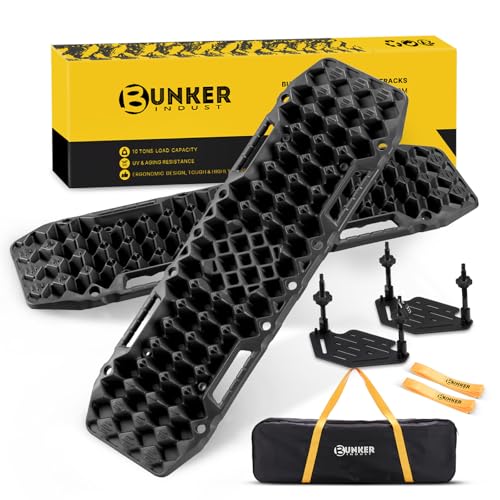
BUNKER INDUST Gen 7th Traction Boards with Mounting Kit, Pair Offroad Recovery Tracks with Jack Base for 4X4 Jeep Truck Tire Traction-Sand,Mud, Snow Ramps (Black)
All-in-One Kit: No need to hunt for separate accessories—this all-in-one traction board kit includes 2 heavy-duty recovery boards,…
As an affiliate, we earn on qualifying purchases.
As an affiliate, we earn on qualifying purchases.
sturdy vehicle recovery branches and rocks
As an affiliate, we earn on qualifying purchases.
As an affiliate, we earn on qualifying purchases.