To choose the best method for water treatment—boiling, filtering, or using chemicals—you need to take into account water source and safety needs. Boiling is effective against bacteria and viruses, but it doesn’t remove chemicals or particulates. Filters can eliminate particulates, chemicals, and some microbes, while chemical disinfectants like chlorine kill a broad range of microorganisms and offer residual protection. Combining these methods often provides the safest water. If you want to learn more about each approach, continue exploring your options.
Key Takeaways
- Boiling effectively kills bacteria, viruses, and parasites but does not remove chemicals or particulates.
- Filtration can remove sediments, chemicals, and some microorganisms, depending on filter type and pore size.
- Chemical disinfection, like chlorination, provides residual protection but may affect taste and produce byproducts.
- Combining filtration and chemical treatment offers comprehensive safety, especially for contaminated or chemical-laden water.
- UV purification inactivates pathogens without chemicals, ideal after filtration for chemical-free disinfection.

Water Treatment
Have you ever wondered how clean, safe drinking water reaches your faucet? It’s a complex process that guarantees contaminants are removed and water is safe for consumption. One essential step in water treatment involves various disinfection methods, such as UV purification and chemical disinfectants. These techniques work together to destroy harmful bacteria, viruses, and other pathogens that may be present in raw water sources. Understanding how they function helps you make informed decisions about your water safety.
UV purification is a modern, chemical-free method gaining popularity for its effectiveness and environmental benefits. When water passes through a UV purifier, ultraviolet light disrupts the DNA of microorganisms, rendering them unable to reproduce or cause illness. This process is quick, efficient, and leaves no chemical residues behind, making it an attractive choice for residential use. It’s especially useful when you want to avoid adding chemicals to your water, preserving its taste and purity. However, UV purification is only effective against microorganisms and doesn’t remove chemical contaminants or particulates, so it’s often used in conjunction with other treatment steps like filtration.
UV purification is a chemical-free, effective method that preserves water taste by targeting microorganisms without residues.
Chemical disinfectants, on the other hand, have been used in water treatment for decades. Chlorine is the most common, added to kill bacteria, viruses, and other microbes. It’s reliable, inexpensive, and provides a residual effect, meaning it continues to disinfect water as it travels through pipes. Other chemicals, like chloramine or ozone, are also used depending on local regulations and water quality issues. While chemical disinfectants are effective, they can sometimes leave taste or odor issues, and there’s ongoing concern about byproducts formed during chemical reactions, which may pose health risks if not carefully managed. That’s why some households prefer UV purification, especially if they’re concerned about chemical residues.
In many treatment systems, these methods are combined to maximize safety. For example, water might first go through filtration to remove debris and chemicals, then be disinfected with UV light to eliminate microorganisms. Alternatively, chemical disinfectants might be used initially to provide broad-spectrum microbial kill, with UV purification added later to target any remaining pathogens without introducing chemicals. This layered approach ensures comprehensive protection. As a consumer, you should consider your local water quality, taste preferences, and environmental concerns when choosing between these methods. Both UV purification and chemical disinfectants have their pros and cons, but together, they can deliver safe, clean water straight to your tap, giving you peace of mind every time you turn the faucet. Incorporating advanced disinfection techniques like UV light can further enhance the safety and quality of your drinking water.

Culligan with ZeroWater Technology 12-Cup Water Filter Pitcher – Includes 5-Stage Advanced Water Filter, IAPMO Certified to Reduce Lead, Total PFAS (Forever Chemicals), Mercury, Fluoride, and Chlorine
5-stage advanced water filter pitcher: Our filter’s 5-Stage Advanced Water Filtration technology removes 99.9% of dissolved solids –…
As an affiliate, we earn on qualifying purchases.
As an affiliate, we earn on qualifying purchases.
Frequently Asked Questions
Can Boiling Water Remove Chemical Contaminants Effectively?
Boiling water isn’t effective for removing chemical contaminants, so its boiling efficacy for chemical removal is limited. When you boil water, it kills bacteria and viruses but doesn’t eliminate chemicals like pesticides or heavy metals. To guarantee chemical removal, you should consider using specialized filters or chemical treatments. Boiling alone won’t make chemically contaminated water safe, so relying solely on it could pose health risks.
Are Portable Water Filters Safe for Long-Term Use?
Think of your portable water filter as a trusted shield protecting you on your adventures. Yes, they’re safe for long-term use if you prioritize durability and proper maintenance. Regularly replacing filters and cleaning components keep it strong against wear and tear. With diligent upkeep, your filter becomes a reliable guardian, ensuring clean, safe water wherever you go, turning every sip into a victory over contaminants.
How Do Chemical Disinfectants Impact Water Taste and Safety?
Chemical disinfectants can impact your water by leaving a chemical taste, which might be unpleasant. While they effectively kill bacteria and viruses, safety concerns arise if too much is used, potentially causing health issues. Always follow instructions carefully to balance safety and taste. Proper use guarantees your water remains safe to drink without an overpowering chemical flavor, giving you peace of mind about its safety and quality.
What Are the Environmental Effects of Chemical Water Treatments?
Ever wonder if chemical water treatments harm the environment? They can cause chemical runoff, which contaminates soil and water sources nearby. This runoff disrupts aquatic ecosystems, harming fish and plant life. You’re responsible for understanding that, while these chemicals improve water safety, they can also pose risks to nature. Reducing chemical use or opting for eco-friendly alternatives helps protect aquatic ecosystems and keeps our environment healthy for everyone.
How Often Should Household Water Filters Be Replaced?
You should replace your household water filter every 2 to 6 months, depending on the filter’s lifespan and usage. Check the manufacturer’s recommendations for ideal replacement frequency, as filters can become less effective over time. Regularly replacing your filter ensures clean water, prevents bacterial growth, and maintains the quality of your water supply. Be attentive to signs like reduced flow or taste changes, which indicate it’s time for a replacement.

HQUA-TWS-12 Ultraviolet Water Purifier Filter for Whole House Water Purification,12GPM 120V, 1 Extra UV Lamp + 1 Extra Quartz Sleeve
12GPM 55W 21 inch long and 3.5 inch diameter. MNPT Inlet/Outlet: 3/4" Inch.
As an affiliate, we earn on qualifying purchases.
As an affiliate, we earn on qualifying purchases.
Conclusion
When it comes to water treatment, your choice depends on your needs and resources. Boiling is simple and effective, filters offer convenience, and chemicals can provide quick results. Remember, choosing the right method can be the difference between drinking water as clear as crystal or risking your health. Don’t underestimate the power of these options—using the wrong one could turn your water from a life-saver to a life-ruiner. Stay safe and treat your water wisely!
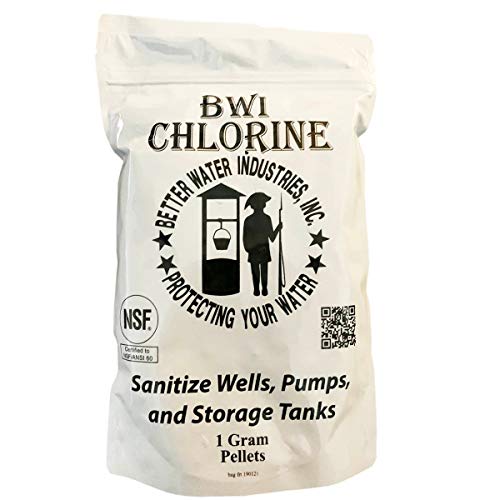
Better Water Industries C21044 Chlorine Pellets
Ideal for use with automatic chlorinators
As an affiliate, we earn on qualifying purchases.
As an affiliate, we earn on qualifying purchases.

iSpring RCC7AK, NSF Certified, 75 GPD, Alkaline 6-Stage Reverse Osmosis System, pH+ Remineralization RO Water Filter System Under Sink, Patented Top-Mounted Faucet Design for Easy Installation
PATENTED DESIGN – The top-mounted fastener allows for easy countertop installation entirely from above, eliminating the hassle of…
As an affiliate, we earn on qualifying purchases.
As an affiliate, we earn on qualifying purchases.