If you face an emergency outdoors or in a remote area, ask a ranger if it’s a wilderness or terrain issue—they’re first on the scene in parks or forests. For injuries or medical crises, call emergency services to get medics or paramedics who can provide on-the-spot care. Help teams, including dispatchers and rescue groups, coordinate overall efforts. Understanding who to ask helps you act confidently—keep going to learn more about when each responder is the right choice.

Get movie nights delivered free with Prime
- Fast, free delivery on millions of items
- Prime Video, Amazon Music and more included
- Member-only deals all year
Key Takeaways
- Ask rangers for wilderness or terrain-related emergencies in parks or forests.
- Contact medics for injuries, medical crises, or urgent health issues.
- Reach help teams or emergency dispatchers for coordination and complex rescue operations.
- Understand each responder’s role to direct the right assistance and stay calm.
- Use appropriate channels: call 911 for medical emergencies and park services for outdoor situations.
Have you ever wondered who steps in during emergencies to provide essential assistance? When disaster strikes, knowing who to turn to can make all the difference. Rangers, medics, and help teams each play pivotal roles, but understanding their distinct functions helps you respond more effectively.
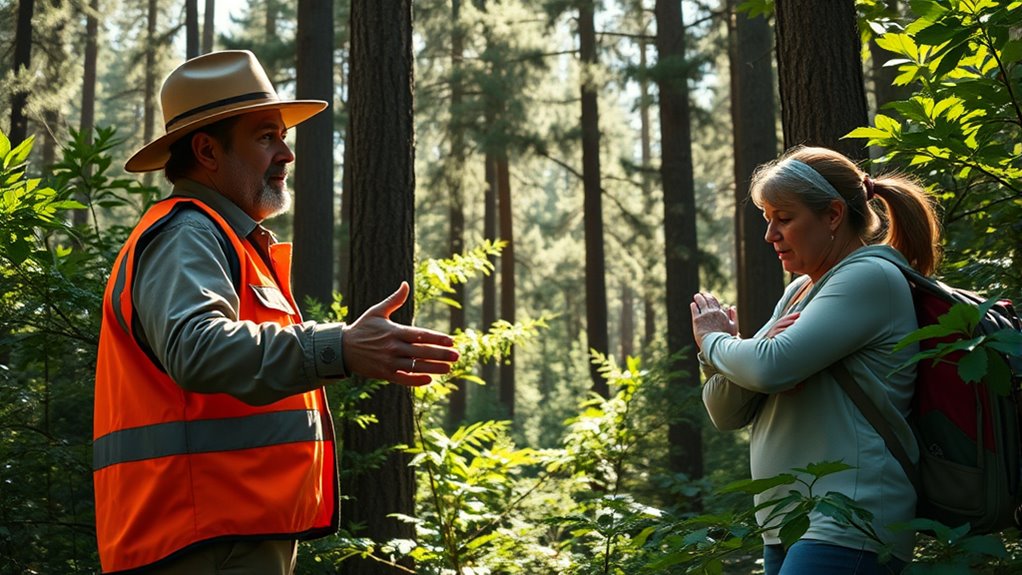
Rangers are often the first on the scene in outdoor or wilderness emergencies. They’re trained to handle situations in remote areas, whether it’s a lost hiker, a stranded camper, or someone injured deep in the forest. Their knowledge of the terrain, survival skills, and rescue techniques make them invaluable when help is needed in rugged environments. They’re usually part of national parks, forest services, or specialized rescue units. If you’re hiking or exploring in such areas and encounter someone in trouble, you’ll want to look for rangers, who can coordinate rescue efforts and provide immediate aid or guidance.
In wilderness emergencies, rangers are the first responders with essential survival and rescue skills.
Medics, on the other hand, are healthcare professionals trained specifically for medical emergencies. They include paramedics, emergency medical technicians (EMTs), and other trained responders. Their primary focus is on evaluating injuries, providing first aid, stabilizing victims, and preparing them for transport to medical facilities. When someone is injured in an accident—be it a car crash, a fall, or a medical crisis—medics are the ones who arrive swiftly to deliver lifesaving care. They carry advanced equipment and medications, enabling them to perform advanced airway management, control bleeding, or administer drugs on the scene. Their expertise ensures that injuries are managed properly until the patient reaches a hospital.
Help teams encompass a broad range of responders and resources. This includes emergency dispatchers, volunteer responders, community aid groups, and even specialized rescue units like search and rescue teams. When you call emergency services, the dispatcher evaluates your situation, provides instructions, and dispatches the appropriate help. Help teams coordinate efforts across different agencies, ensuring that the right personnel and equipment arrive swiftly. They might include firefighters, police officers, or specialized rescue teams depending on the nature of the emergency. They’re trained to manage complex situations, coordinate evacuations, and provide ongoing support until the emergency is under control. Additionally, understanding the roles of these responders can improve your safety during crises.
Knowing who to ask depends on the situation. If you’re in the wilderness, contact park rangers or rescue teams. For medical crises, call emergency services for medics. In general, dialing emergency numbers connects you with dispatchers who will send the right responders. Each plays a crucial role, and understanding their functions helps you stay calm and act appropriately during emergencies. Recognizing who’s who means you can provide clear information and assist responders in helping those in need more effectively.
As an affiliate, we earn on qualifying purchases.
Frequently Asked Questions
How Can I Find the Nearest Ranger Station?
To find the nearest ranger station, start by checking your park’s official website or app for maps and locations. You can also contact the park’s visitor center directly for directions. If you’re already outdoors, look for signs or ask other visitors nearby. Many parks have trailhead information boards that include ranger station locations. Planning ahead guarantees you’ll easily locate assistance when needed.
What Medical Supplies Do Medics Typically Carry?
Medics typically carry around 30 essential medical supplies, including bandages, antiseptics, pain relievers, and tourniquets. Did you know that quick access to these supplies can markedly improve survival chances in emergencies? You’ll find that medics prioritize portable, versatile items to handle everything from cuts and burns to fractures. They’re trained to quickly assess and treat injuries, ensuring you get immediate care when every second counts.
When Should I Contact Emergency Services Instead of a Ranger?
You should contact emergency services immediately if someone is seriously injured, unconscious, or showing signs of a life-threatening condition like heavy bleeding, chest pain, or difficulty breathing. If the situation is urgent and beyond basic first aid, don’t hesitate to call for professional medical help. Rangers are helpful for less critical issues, but emergencies require prompt contact with emergency services to guarantee rapid and appropriate care.
Are There Specific Protocols for Wilderness First Aid?
Yes, there are specific protocols for wilderness first aid that you should follow. You need to assess the situation quickly, check for responsiveness, and provide basic life support if necessary. Keep the victim comfortable, monitor their condition, and prioritize treatment based on severity. Always aim to stabilize injuries, prevent infection, and prepare for evacuation if needed. Remember, sticking to established protocols helps ensure safe and effective care until professional help arrives.
How Can I Volunteer to Become a Ranger or Medic?
Over 60% of parks rely on volunteer rangers and medics to keep visitors safe. To volunteer, start by researching local parks or wildlife agencies’ websites. Reach out to their volunteer coordinators, complete any required training, and submit an application. Some programs might ask for specific skills or background checks. You can also attend informational events or volunteer fairs to connect directly with program organizers and learn more about opportunities.
As an affiliate, we earn on qualifying purchases.
Conclusion
Remember, whether you’re seeking help from rangers, medics, or others, knowing who to ask can make all the difference. Statistically, over 80% of outdoor emergencies are resolved quickly when you reach out to the right person. So, don’t hesitate—trust your instincts, stay calm, and ask for help when you need it. Your safety depends on recognizing who’s best equipped to assist you in that moment. Stay prepared, stay safe.
emergency communication device for hiking
As an affiliate, we earn on qualifying purchases.
As an affiliate, we earn on qualifying purchases.
personal GPS tracker for outdoor adventures
As an affiliate, we earn on qualifying purchases.
As an affiliate, we earn on qualifying purchases.
Halloween Picks
halloween
As an affiliate, we earn on qualifying purchases.