
Effective metadata like tagging, timecodes, and notes can dramatically streamline your workflow. By tagging files accurately, you let yourself find what you need instantly, saving time and frustration. Using precise timecodes helps you jump directly to important moments in videos or documents, making editing and reviews faster. Adding detailed notes prevents miscommunication and keeps your projects organized. Keep exploring to discover how these practices can create a more efficient, stress-free approach to managing your assets.
Key Takeaways
- Consistent tagging categorizes files for quick filtering and easy retrieval, reducing search time.
- Incorporating timecodes allows instant access to specific moments, streamlining editing and review processes.
- Adding notes embeds context, instructions, and revision history, preventing misunderstandings and redundant work.
- Effective metadata practices enhance overall organization, boosting collaboration and project efficiency.
- Well-maintained metadata minimizes time spent searching, reworking, and managing assets, increasing productivity and focus.
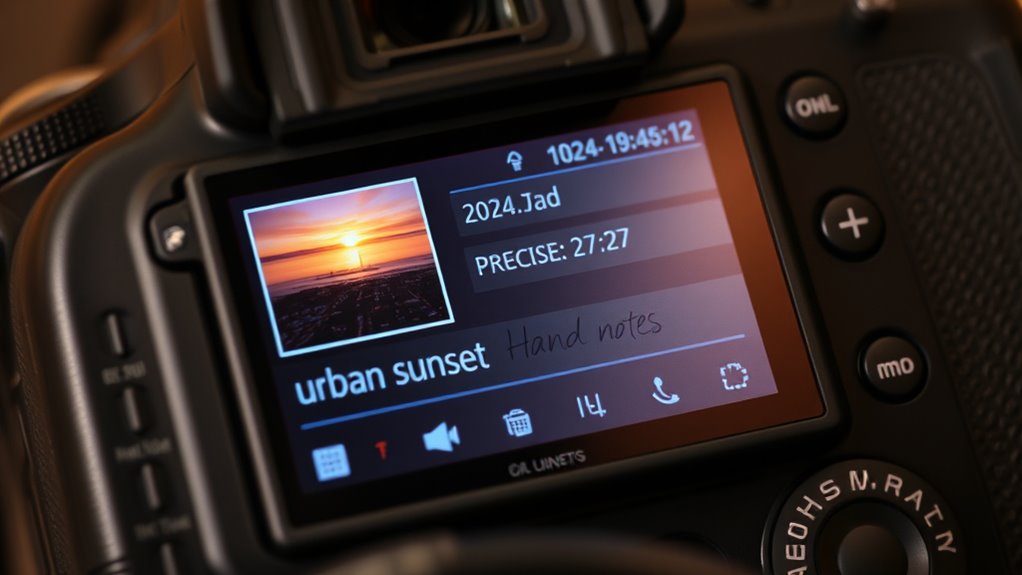
Have you ever lost valuable time digging through files or trying to recall details about a project? It’s frustrating to sift through countless folders or search for that one critical piece of information, especially when deadlines are looming. That’s where effective metadata comes into play, transforming chaos into clarity. By using consistent tagging, timecodes, and notes, you create a system that boosts keyword organization and enhances workflow efficiency. These small but powerful details make it easier to locate assets quickly, saving you precious time and mental energy.
Effective metadata transforms chaos into clarity, saving time with tags, timecodes, and notes for faster asset retrieval.
When you implement clear, descriptive tags, you’re giving your files an instant way to be categorized. Instead of relying on vague filenames, you assign keywords that relate directly to the content, project phase, or purpose. For example, tagging a video clip with “interview,” “product launch,” or “client meeting” allows you to filter and find what you need in seconds. This improves keyword organization, ensuring that every item is easily retrievable without endless searching. Over time, this organized approach streamlines your entire workflow, letting you focus on the creative or strategic parts instead of wasting time searching.
Adding timecodes to your media or documents offers another layer of organization. If you’re working with video, audio, or lengthy documents, noting specific timestamps helps you jump directly to key moments. Instead of scrolling through hours of footage or pages, you can click on a timecode and land right where you need to be. This is especially useful during editing, review sessions, or collaborative projects where multiple people need quick access to particular sections. Timecodes cut down on frustration, reduce repetitive work, and keep your project moving smoothly. They’re a simple yet effective way to keep your workflow efficient, allowing you to locate critical segments without delay.
Notes are equally valuable in creating a detailed metadata system. When you jot down quick observations, context, or instructions directly within a file’s metadata, you add a layer of understanding that’s accessible at any time. These notes can include details about revisions, client preferences, or next steps, which prevents miscommunication and redundant work. Instead of relying solely on memory or scattered emails, your notes stay embedded with the file, offering clarity and continuity. This reduces the chances of errors and rework, making your entire process more efficient and less stressful.
Together, these metadata elements—tags, timecodes, and notes—form a cohesive system that keeps your digital assets organized and your workflow efficient. They’re the secret tools that save you from wasting hours searching and redoing work, helping you stay focused on what truly matters: completing your projects with precision and confidence. When you prioritize good metadata practices, you lay the groundwork for smoother collaborations, faster turnarounds, and less frustration. It’s a small investment that yields big results in how you manage your workday.
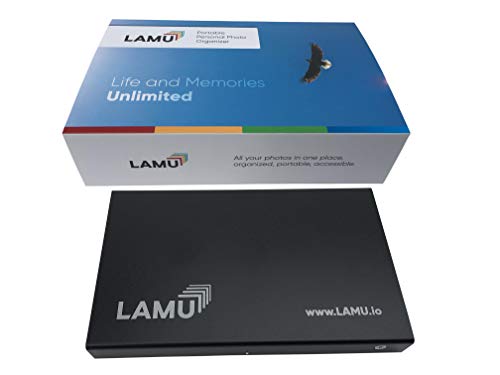
LAMU Portable Digital Photo Organizer – Digital Picture Manager for Windows – Software to Easily Organize Your Photos and Videos – Digital Photo Storage – 2 Terabytes (Charcoal Black)
- Advanced Organization Features: Automatically sorts by timeline, location, and more
- All-in-One Media Access: Store, access, and share photos and videos easily
- Plug and Play Compatibility: Works with Windows 7-11 via USB, 2TB storage
As an affiliate, we earn on qualifying purchases.
As an affiliate, we earn on qualifying purchases.
Frequently Asked Questions
How Can Metadata Improve Collaborative Workflows?
Metadata improves your collaborative workflow by boosting efficiency and ensuring consistency. When you tag files accurately and use consistent metadata, everyone can quickly find, sort, and organize assets. Timecodes and notes provide context, reducing misunderstandings and duplication. This streamlined approach helps your team work faster, stay aligned, and save time, making collaboration smoother and more effective overall.
What Tools Are Best for Automatic Metadata Tagging?
You can rely on tools like Adobe Sensei, Google Cloud Video Intelligence, and IBM Watson for automatic tagging. These platforms use AI metadata to analyze content and generate tags seamlessly. They’re proven effective, saving you time by automatically categorizing your media. With AI-powered metadata, you enhance searchability and streamline workflows, making collaboration smoother. Trust these tools to handle your automatic tagging needs efficiently, so you focus more on creating.
How Secure Is Metadata From Unauthorized Access?
Metadata security depends on how well you implement encryption and access control. You can protect it from unauthorized access by encrypting sensitive data, ensuring only authorized users can decrypt it. Strong access controls, like multi-factor authentication and permissions, further safeguard your metadata. While no system is foolproof, combining encryption with strict access policies markedly reduces risks, giving you better peace of mind about your metadata’s safety from unauthorized access.
Can Metadata Be Edited After Initial Creation?
Yes, metadata can be edited after initial creation. You have editing flexibility to correct metadata, add tags, or update notes as needed. This allows you to keep your data accurate and organized over time. Just make certain you use the right tools or software to make these corrections, which helps prevent errors and maintains the integrity of your metadata for future reference.
What Are the Privacy Implications of Metadata Sharing?
Sharing metadata can raise privacy concerns because it often contains sensitive information like location, timestamps, or personal details. If you don’t carefully control who access this data, it could lead to privacy breaches or unwanted tracking. To protect your data, guarantee proper data protection measures are in place, limit sharing to trusted parties, and regularly review your metadata settings to prevent exposing more than you intend.

Timecode Holder Nitze Timecode Holder for Deity TC-1 / Tentacle Sync E MKII Timecode
- Compatible Devices: Deity TC-1 and Tentacle Sync E MKII
- Material: Aluminum alloy for durability and lightweight
- Adjustable Clamp: Wingnut mechanism, 33mm to 41mm
As an affiliate, we earn on qualifying purchases.
As an affiliate, we earn on qualifying purchases.
Conclusion
By now, you see how essential proper metadata is—it keeps your projects organized and easily retrievable. Tagging, timecodes, and notes aren’t just details; they’re your secret weapons for efficiency. So, next time you save a file, ask yourself: will this metadata save me time and stress later? Embrace these tools now, and watch your workflow become smoother and more manageable. Why wait to make your future self’s life easier?

Ophaya Digital Smart Pen Smart Notebook and Board Writing Set for Note Taking | Gifts for Adults Women Men Coworkers Teachers Students Friends | Sync Paper Notes to Phone Instantly | Convert to Text
- Real-time Digital Syncing: Syncs handwritten notes to your phone instantly
- Searchable Handwritten Notes: Find specific words or phrases easily
- OCR Text Conversion: Converts handwritten notes into editable digital text
As an affiliate, we earn on qualifying purchases.
As an affiliate, we earn on qualifying purchases.

The DAM Book
- Condition: Used Book in Good Condition
As an affiliate, we earn on qualifying purchases.
As an affiliate, we earn on qualifying purchases.