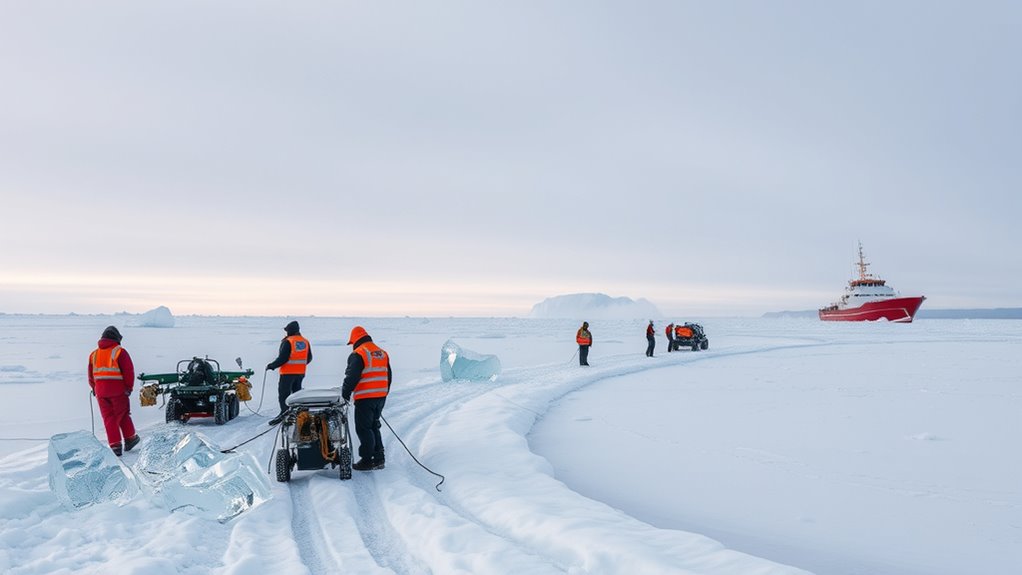

To keep everyone supplied, you need reliable water and ice operations that focus on efficient logistics, equipment maintenance, and cold-weather management. Coordinate routes, ensure water reaches all units, and prevent pipe freezing through insulation and de-icing solutions. Regularly inspect and troubleshoot equipment to avoid breakdowns. Staying proactive helps maintain mission safety and success. If you want to find out how to optimize these systems further, you’ll discover more tips ahead.

Get movie nights delivered free with Prime
- Fast, free delivery on millions of items
- Prime Video, Amazon Music and more included
- Member-only deals all year
Key Takeaways
- Coordinate logistics to ensure timely water and ice delivery despite harsh weather and limited access points.
- Maintain and troubleshoot equipment regularly to prevent failures that could disrupt supply.
- Implement insulation and de-icing strategies to prevent pipe freezing and equipment damage.
- Monitor water quality continuously to ensure safety and contamination prevention.
- Plan for backup systems and spare parts to sustain operations during equipment malfunctions.
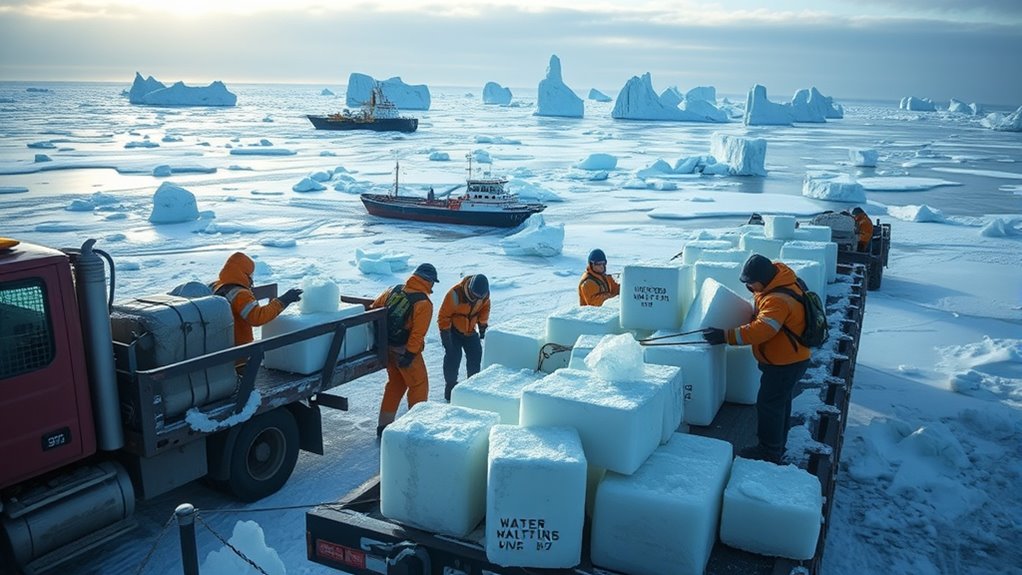
Water and ice operations are essential components of maintaining safety and logistical support in cold-weather environments. When you’re managing these operations, you understand that guaranteeing a steady supply of potable water and managing ice removal are fundamental for both safety and mission success. Your role involves coordinating distribution logistics carefully. You need to plan routes, schedules, and storage strategies to make sure water reaches all units efficiently, regardless of harsh weather conditions. This means accounting for frozen pipelines, limited access points, and unpredictable weather that can disrupt delivery. Proper logistical planning minimizes delays, prevents shortages, and keeps personnel hydrated and healthy in extreme environments.
Equipment maintenance plays a key role in keeping these operations running smoothly. Cold temperatures can cause equipment to malfunction or break down, so you must regularly inspect, service, and troubleshoot systems such as pumps, heaters, and ice removal tools. Guaranteeing that all machinery is in top condition reduces the risk of failures that could jeopardize water supply or compromise safety. You also need to be prepared with spare parts and backup systems, especially in remote locations where repairs can be more complicated. Preventive maintenance is your best defense against costly downtime, so routine checks, lubrication, and calibration are essential tasks in your daily operations.
In managing water and ice operations, you’re constantly balancing the demands of logistics with the realities of equipment wear and tear. You coordinate with teams responsible for transportation, storage, and infrastructure, making sure each element functions seamlessly. When cold weather causes pipes to freeze, you deploy de-icing solutions and insulate critical points to prevent disruptions. You also monitor water quality regularly, ensuring it remains safe for consumption despite the challenges posed by freezing temperatures and potential contamination sources. Additionally, understanding the properties of spoiled lemon juice and other liquids helps in assessing water safety and contamination risks in storage.
Your expertise is indispensable when it comes to troubleshooting equipment issues swiftly. Whether it’s a malfunctioning pump or a frozen valve, quick action can prevent larger problems that threaten the entire supply chain. You stay ahead of potential failures by implementing routine maintenance schedules and keeping detailed records of equipment performance. This proactive approach allows you to identify patterns and replace worn parts before they fail, maintaining a reliable water and ice system in even the most extreme conditions. By managing distribution logistics effectively and prioritizing equipment maintenance, you guarantee that everyone stays supplied, safe, and operational in challenging cold-weather environments.
As an affiliate, we earn on qualifying purchases.
Frequently Asked Questions
How Do Water and Ice Operations Adapt During Extreme Weather Events?
During extreme weather events, you adapt water and ice operations by prioritizing climate resilience and emergency preparedness. You quickly assess damage, reinforce infrastructure, and implement contingency plans to guarantee continuous supply. You coordinate with local agencies, utilize backup sources, and adjust delivery schedules. By staying flexible and proactive, you maintain essential services, minimize disruptions, and protect public health amid challenging conditions.
What Safety Protocols Are in Place for Workers Handling Water and Ice?
Think of yourself as a brave sailor steering icy waters. You wear protective gear like gloves, helmets, and insulated clothing to stay safe. Emergency training is your compass, guiding you through unexpected storms. Follow strict safety protocols, communicate clearly, and stay alert. These measures protect you from hazards, ensuring you can perform your duties safely while keeping everyone supplied, even in the harshest conditions.
How Do Water Supplies Remain Uncontaminated During Ice Formation?
You guarantee water supplies stay uncontaminated during ice formation by implementing strict contamination prevention measures. You regularly test water quality, using sanitized equipment and clean surfaces to prevent pollutants from entering the water. You also monitor environmental conditions, such as temperature and hygiene practices, to maintain high water quality standards. By following these procedures, you keep the ice safe, pure, and free from contaminants, safeguarding everyone who relies on it.
What Innovations Are Improving Efficiency in Water and Ice Distribution?
You can improve efficiency in water and ice distribution by leveraging smart sensors and automated routing systems. Smart sensors monitor real-time conditions, ensuring ideal flow and preventing contamination. Automated routing dynamically adjusts delivery paths based on demand, reducing waste and delays. This combination streamlines operations, enhances accuracy, and speeds up supply, helping you deliver water and ice more reliably and effectively to those who need it most.
How Is Public Communication Managed During Water or Ice Shortages?
You’re often the first to know through targeted communication strategies during water or ice shortages. Public awareness campaigns, social media updates, and emergency alerts keep you informed and prepared. Authorities manage this by coordinating messages across multiple channels, ensuring clarity and timeliness. This proactive approach minimizes confusion, encourages conservation, and builds trust, so you feel connected and supported even in shortages.
ice removal tools for cold environments
As an affiliate, we earn on qualifying purchases.
As an affiliate, we earn on qualifying purchases.
Conclusion
So, after all your efforts to keep everyone supplied with water and ice, it’s almost amusing how something so simple can become so complex. You’d think providing essentials would be straightforward, but nature and logistics often have other plans. Still, your dedication guarantees people stay hydrated and warm, even if it feels like an uphill battle. In the end, sometimes the greatest irony is that the smallest supplies make the biggest difference—proof that even water can be a paradox.
As an affiliate, we earn on qualifying purchases.
As an affiliate, we earn on qualifying purchases.
Halloween Picks
halloween
As an affiliate, we earn on qualifying purchases.