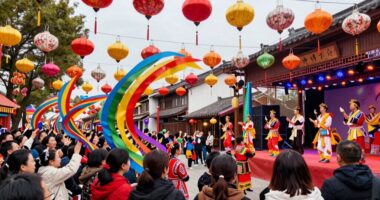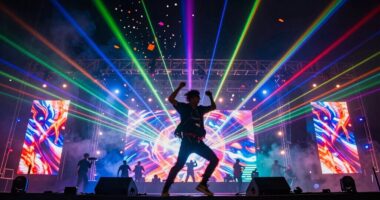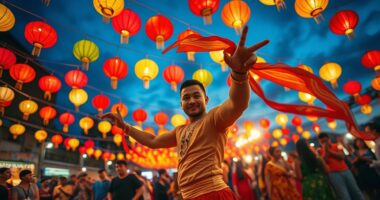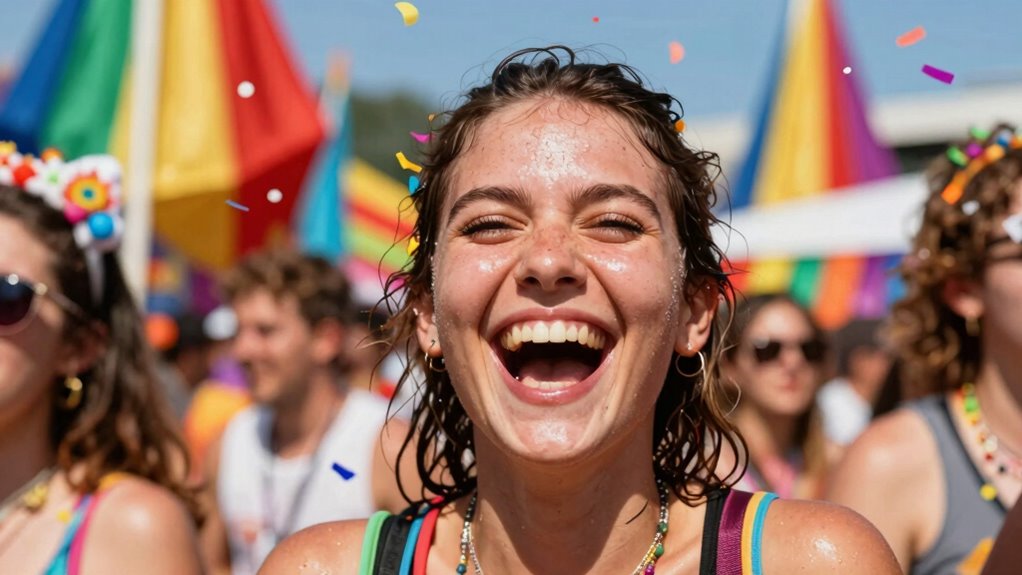
To capture compelling reaction shots for festival recaps, use soft, diffused lighting like reflectors or LED panels to highlight genuine expressions. Stay discreet and blend into the scene to keep subjects natural and uninhibited. Keep your camera focused on clear, well-lit faces with a shallow depth of field to draw attention to emotions. Manage harsh sunlight and shadows effectively to create an intimate mood. If you want to learn more tips, keep exploring how to elevate your footage.

Get movie nights delivered free with Prime
- Fast, free delivery on millions of items
- Prime Video, Amazon Music and more included
- Member-only deals all year
Key Takeaways
- Use soft, diffused lighting to highlight genuine facial expressions without harsh shadows or squinting.
- Frame close-up shots with shallow depth of field to emphasize emotions and minimize background distractions.
- Capture reactions discreetly and patiently to maintain natural, unfiltered responses.
- Ensure clear audio with good microphones to capture authentic vocal reactions.
- Adjust lighting and framing to create an intimate mood that enhances emotional impact.

Ever wondered how filmmakers capture genuine reactions that draw viewers into a story? The secret lies in mastering lighting techniques and having the right equipment essentials on hand. When filming reaction shots at festivals, lighting can make all the difference in highlighting authentic expressions and creating a compelling visual. You want your subjects’ faces to be well-lit enough to reveal emotion without appearing overly harsh or artificial. Soft, diffused light is your best friend here—think portable LED panels or reflectors that bounce natural light onto your subjects. Position your lights carefully to avoid unflattering shadows or squinting, and consider the time of day; golden hour lighting can add warmth and depth to reactions, making them feel more intimate and engaging.
Equally important are your equipment essentials. A compact, high-quality camera with good autofocus and stabilization allows you to capture spontaneous reactions smoothly. A versatile zoom lens can help you quickly switch between wide shots and close-ups, ensuring you don’t miss those genuine moments. Don’t forget a shotgun microphone or a lavalier mic to pick up clear audio, especially when capturing reactions in noisy festival environments. Clear sound amplifies the emotional impact, making viewers feel as if they’re right there with you. Carry extra batteries and memory cards so you’re always ready to shoot, since reaction moments happen unexpectedly and often last only seconds. Additionally, understanding lighting techniques can significantly improve how well your reaction shots stand out and convey emotion. Recognizing AI-powered camera features can also help automate focus and exposure adjustments, ensuring your footage stays sharp and well-lit even in dynamic outdoor settings. Being familiar with manual camera controls can give you greater creative flexibility in tricky lighting situations.
In addition, experimenting with different lighting control methods can help you adapt to various festival environments and achieve the mood you desire. When setting up for reaction shots, think about your framing. Keep your subject’s face in focus, using a shallow depth of field to blur distracting background elements. This directs viewers’ attention right where you want it—on their genuine, unfiltered emotions. Be patient and discreet, blending into the scene so your subjects remain natural and uninhibited. Sometimes, the best reactions come when people forget they’re being filmed, so avoid overly intrusive camera movements or constant zooming. Use your equipment essentials to keep the shot steady and clear, but remember that authenticity is your goal. A well-lit, crisp shot with natural reactions will resonate more deeply than overly staged or artificially lit footage. Incorporating light control techniques can also help you manage harsh sunlight or shadows, further enhancing the quality of your reaction shots. By combining effective lighting techniques with reliable equipment essentials, you’ll be able to capture reaction shots that truly elevate your festival recaps and connect viewers to the event’s authentic energy.
portable LED panel lights for video
As an affiliate, we earn on qualifying purchases.
As an affiliate, we earn on qualifying purchases.
Frequently Asked Questions
What Equipment Is Best for Capturing Reaction Shots?
For capturing reaction shots, you should use a versatile camera with good autofocus and stabilization. Pair it with lighting techniques like diffused lights or bounce boards to guarantee clear, natural skin tones. Use different camera angles—close-ups, over-the-shoulder, and wide shots—to add variety. This combination helps convey genuine emotions, making your festival recap more engaging and dynamic for viewers.
How Do You Manage Crowd Control While Filming Reactions?
To manage crowd behavior while filming reactions, you should establish clear safety protocols and communicate them effectively. Use barriers or designated filming zones to keep spectators at a safe distance, and have staff or security present to enforce rules. Stay alert to changing crowd dynamics, and remain respectful of people’s space. This approach guarantees safety while capturing authentic reactions, helping you maintain control without disrupting the festival atmosphere.
What Are Common Mistakes to Avoid When Filming Reactions?
When filming reactions, avoid rushing emotion timing or losing focus consistency, as these are common mistakes. Don’t cut too early or too late, missing genuine expressions. Keep your camera steady and focused on the subject’s face, capturing authentic emotion. Also, avoid distracting background elements. By maintaining steady focus and timing reactions well, you guarantee your footage feels natural and compelling, enhancing your festival recap.
How Can You Capture Genuine Reactions in a Busy Setting?
You might worry that capturing genuine reactions in a busy setting is impossible, but with quick, discreet camera work, you can focus on authentic moments. Keep your camera at eye level and anticipate audience engagement by observing natural expressions. Use a wide lens to include surroundings and emotional storytelling, helping viewers connect. Stay alert, move smoothly, and respect the environment to guarantee your reaction shots authentically reflect the festival’s energy.
What’s the Ideal Distance for Shooting Reaction Shots?
You should shoot reaction shots from a close distance, about 3-5 feet, to capture genuine expressions clearly. Use camera angles that frame the subject’s face well, emphasizing their reactions, and keep lighting techniques consistent to highlight emotions without harsh shadows. Experiment with slightly different distances and angles to find the most natural, engaging shot, ensuring your footage feels intimate and authentic.
shotgun microphone for DSLR camera
As an affiliate, we earn on qualifying purchases.
As an affiliate, we earn on qualifying purchases.
Conclusion
Now, picture yourself amidst the vibrant festival crowd, camera in hand, ready to catch genuine smiles and awe-struck eyes. When you focus on capturing those authentic reactions—whether a burst of laughter or a look of wonder—you bring your recap to life. These fleeting moments, like sparks in a dark sky, turn your footage into a vivid tapestry of emotion. With each shot, you craft a story that immerses viewers right into the heart of the celebration.
compact zoom lens for festival filming
As an affiliate, we earn on qualifying purchases.
As an affiliate, we earn on qualifying purchases.
As an affiliate, we earn on qualifying purchases.
Evergreen bestsellers Picks
bestsellers
As an affiliate, we earn on qualifying purchases.