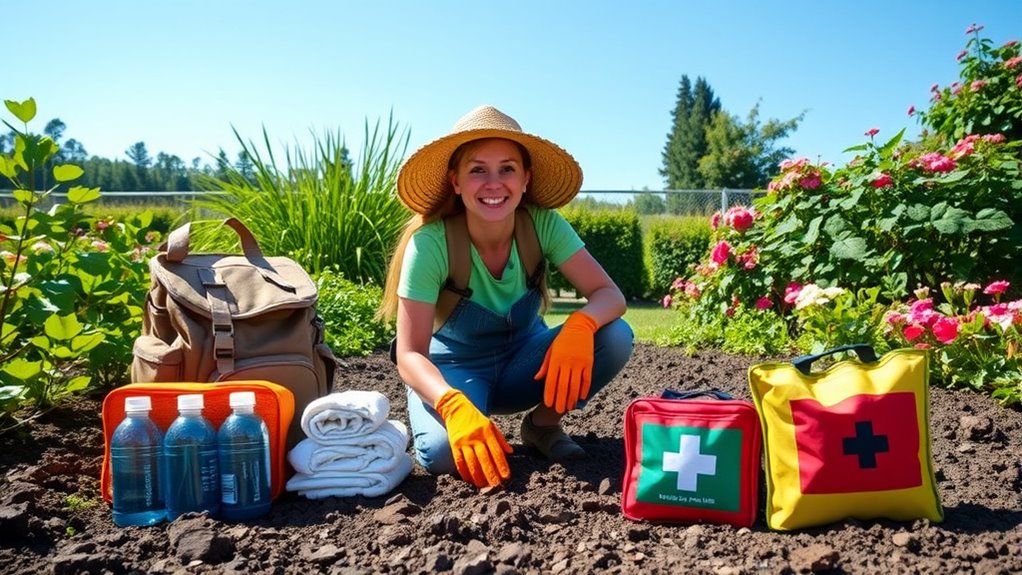

When volunteering abroad, you’ll experience new cultures and face safety precautions, so it’s important to research local customs and pack versatile clothing suited to the climate. Bring essentials like medications, chargers, and items not easily available onsite. Respect local traditions and stay adaptable to unfamiliar settings. Being well-prepared shows your commitment and helps you make a meaningful impact. To learn more about what to expect and how to pack, keep exploring the key tips for a successful volunteer adventure.
Key Takeaways
- Research local customs and social norms to ensure respectful behavior and appropriate attire during volunteering.
- Pack versatile clothing, necessary medications, chargers, and items not easily available onsite for comfort and safety.
- Be prepared to engage sincerely with the community, demonstrating cultural sensitivity and respect.
- Familiarize yourself with safety advisories, medical facilities, and local laws to maintain personal security.
- Approach the experience with an open mind, adaptability, and a focus on making a positive impact in the community.
Volunteering abroad can be a life-changing experience, but it also requires careful preparation. One of the most important aspects is understanding the cultural expectations of the place you’ll be visiting. Every community has its customs, traditions, and social norms, so taking the time to research and respect them can make your experience more meaningful and avoid misunderstandings. For example, dressing modestly might be expected in some cultures, while others may have specific protocols around greetings or gestures. Learning a few key phrases in the local language shows respect and helps build trust with the community. Being aware of these cultural nuances not only enriches your experience but also demonstrates your genuine commitment to the project.
Understanding local customs and language shows respect and enriches your volunteering abroad experience.
Alongside cultural awareness, safety precautions are paramount. Before you leave, familiarize yourself with any health advisories, vaccination requirements, and safety tips related to your destination. Carry essential medications and a basic first aid kit, and know how to access local medical services if needed. It’s wise to stay informed about current safety conditions — whether political, environmental, or social — and follow advice from local authorities or your volunteer organization. Always keep your belongings secure and be cautious about sharing personal information with strangers. Respect local laws and customs, even if they differ from your home country, to avoid unnecessary trouble.
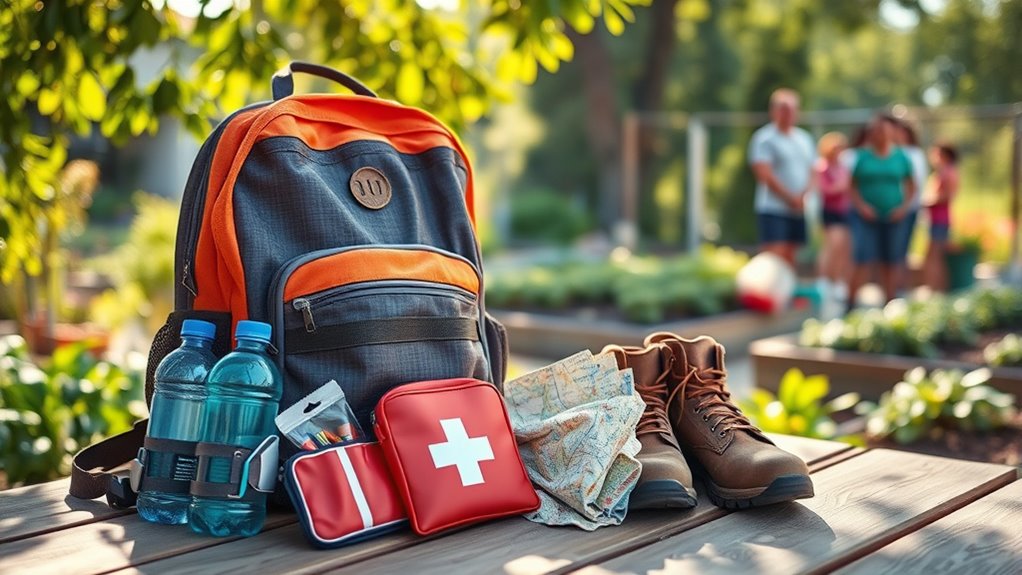
Packing smart is essential to ensure you’re prepared for the environment and the tasks ahead. Bring versatile clothing suited to the climate, including lightweight layers, rain gear, and comfortable shoes. Consider packing items that might not be readily available onsite, like insect repellent, sunscreen, or specific toiletries. Don’t forget chargers, adapters, and a power bank to keep your devices functional, especially if electricity supply can be inconsistent. It’s also helpful to bring a small notebook or journal to document your experiences, as well as any important contact information. Remember to pack a sense of adaptability and an open mind — these qualities will serve you well in unfamiliar settings. Additionally, understanding the importance of portability and compact design in your gear can make your experience more comfortable and efficient.
Ultimately, being well-prepared by understanding cultural expectations, practicing safety precautions, and packing thoughtfully will help you maximize your volunteer experience. With the right mindset and readiness, you’ll be able to focus on the impact you want to make, while immersing yourself fully in the local environment. This preparation not only protects you but also shows your respect for the community you’re serving, paving the way for a more successful and rewarding journey.
Frequently Asked Questions
How Do I Find Reputable Volunteer Opportunities?
To find reputable volunteer opportunities, start with background research on organizations that interest you. Look for reviews and testimonials online, and check if they’re registered or certified. Use volunteer matching platforms like VolunteerMatch or Idealist to connect with trusted opportunities. These platforms help you filter options based on your skills and location, ensuring you find reputable places where your efforts make a real impact.
Are Vaccinations Necessary Before Volunteering Abroad?
Think of vaccinations as your shield before venturing abroad. Yes, vaccinations are often necessary before volunteering abroad, depending on your destination. Health precautions and vaccination requirements vary by country, so check with your healthcare provider or travel clinic early. Staying up-to-date on vaccines like yellow fever, typhoid, or hepatitis guarantees you’re protected and helps prevent the spread of illnesses. Taking these steps keeps you healthy and ready to make a difference.
What Should I Do if I Get Sick While Volunteering?
If you get sick while volunteering, you should seek medical help immediately and adhere to your health precautions. Contact your emergency contacts to inform them about your situation and get guidance. Keep any necessary medications handy and stay hydrated. Make sure to inform your supervisor or local coordinator about your condition, so they can assist you in accessing appropriate care and ensure your safety during your volunteer work.
How Can I Prepare Emotionally for Volunteering Challenges?
To prepare emotionally for volunteering challenges, focus on building emotional resilience and practicing stress management techniques. You can do this by staying positive, setting realistic expectations, and taking deep breaths when things get tough. Remind yourself of your purpose and the impact you’re making. It’s also helpful to connect with fellow volunteers for support. These strategies help you stay strong and adaptable during difficult moments.
What Are the Cultural Etiquette Tips I Should Know?
Think of cultural etiquette as your secret map, guiding respectful communication. You should practice cultural sensitivity by learning local customs, greetings, and gestures—like bowing in Japan or removing shoes in homes. Avoid sensitive topics, and be patient if language barriers exist. Remember, showing genuine respect and curiosity helps build trust. A little research before you arrive shows you’re committed, and it makes your volunteer experience richer and more meaningful.
Conclusion
Don’t let worries about packing overwhelm you—remember, it’s all about being prepared, not perfect. Your attitude and willingness to help matter far more than extra gear. With just a few essentials, you’ll be ready to make a difference and enjoy the experience. So, embrace the journey, stay flexible, and trust that your enthusiasm will shine through. After all, the real value comes from your effort, not how much you bring along.