

If you’re often overwhelmed by busy environments, caring for your mental health means recognizing signs of overstimulation like irritability, fatigue, or difficulty focusing. Take breaks outdoors or in quiet spaces to reset your nervous system, and use calming techniques such as deep breathing or mindfulness. Communicating your needs and setting boundaries can help prevent burnout. To find out more about managing overstimulation and protecting your mental well-being, explore practical strategies designed to keep you balanced.
Key Takeaways
- Recognize signs of overstimulation, such as irritability and fatigue, to address mental health needs proactively.
- Incorporate regular breaks in quiet, calming spaces to reduce sensory overload and promote mental well-being.
- Encourage open communication about sensory limits and needs to foster supportive environments.
- Use mindfulness, deep breathing, or calming activities during breaks to help reset the nervous system.
- Implement environmental adjustments, like noise reduction and designated quiet zones, to minimize overstimulation on grounds.

Have you ever wondered how the busy environment of a school or workplace impacts mental health? The constant hum of conversations, ringing phones, notifications, and background noise can create an overstimulating atmosphere that wears you down over time. When you’re surrounded by so much sensory input, it’s easy to feel overwhelmed, anxious, or fatigued without even realizing why. This overload can lead to a sense of being mentally drained, making it harder to focus, process information, or stay calm. Recognizing how overstimulation affects you is the first step toward managing it effectively.
Your brain is designed to filter and process a lot of information, but when the environment bombards you with stimuli, it can push your cognitive resources to their limit. Think about how you feel after a day filled with back-to-back meetings, loud chatter, and constant interruptions. You might notice you’re more irritable or less productive than usual. That’s because your nervous system is working overtime to handle the sensory overload. Over time, this persistent overstimulation can contribute to stress, burnout, and even anxiety disorders if left unchecked. It’s not just about feeling tired; it can influence your overall mental health, making you feel more overwhelmed and less resilient to daily challenges.
Persistent overstimulation can lead to stress, burnout, and decreased mental resilience over time.
To counteract overstimulation, you need to be proactive in creating mental boundaries and taking care of your sensory environment. Simple actions like taking short breaks outside or finding a quiet space for a few minutes can help reset your nervous system. Deep breathing exercises, mindfulness, or even listening to calming music during breaks can also reduce stress levels. It’s important to recognize your personal limits and communicate them when needed. For instance, if you’re overwhelmed during a busy workday, politely stepping away or requesting a quieter workspace can make a significant difference. Incorporating these strategies into your routine helps buffer against the negative effects of overstimulation and promotes mental clarity.
Additionally, fostering a supportive environment where colleagues or classmates understand the importance of mental health can make a huge difference. Encouraging short, regular breaks and respecting quiet zones can help everyone manage their sensory load better. Recognizing that overstimulation is a common issue and addressing it can prevent long-term mental health consequences. Remember, mental health isn’t just about mental resilience; it’s also about creating environments that respect your need for space and calm. By paying attention to how overstimulation affects you and taking intentional steps to manage it, you’re actively supporting your well-being amid the chaos of busy grounds. Small adjustments can lead to noticeable improvements, allowing you to stay focused, calmer, and healthier in the long run.

ProCase Noise Reduction Ear Muffs, Sound Proof Ear Protection, NRR 28dB Noise Cancelling Headphones for Adults Kids Autism, Hearing Protection for Mowing -Black
Constructed by solid ABS shell and thickened foam, the ear muffs achieve NRR 28 dB (SNR 34 dB)…
As an affiliate, we earn on qualifying purchases.
As an affiliate, we earn on qualifying purchases.
Frequently Asked Questions
How Can Staff Identify Overstimulation Signs Early?
You can identify overstimulation signs early by paying close attention to behaviors like fidgeting, covering ears, or avoiding eye contact. Notice if someone becomes unusually irritable, overwhelmed, or starts to withdraw. Changes in activity level or increased vocalizations also signal overstimulation. By observing these cues promptly, you can offer calming support, reduce sensory input, and help the individual regain control, preventing escalation.
What Specific Tools Assist in Overstimulation Care?
Think of overstimulation tools as your toolkit for calming busy minds. You can use noise-canceling headphones to block overwhelming sounds, sensory bottles to provide soothing visuals, and weighted blankets to offer gentle pressure. Visual aids like social stories and calming charts also help. These tools act like a safety net, catching signs of overload early and guiding you to support calmness efficiently.
How Do Outdoor Environments Affect Mental Health?
Outdoor environments boost your mental health by reducing stress and enhancing your mood. Fresh air, natural sunlight, and greenery help lower anxiety and improve focus. Spending time outside encourages physical activity and mindfulness, which can lift your spirits. You’ll feel more relaxed, energized, and connected to nature. Regular outdoor time acts as a natural therapy, helping you manage daily stressors and promoting overall emotional well-being.
Are There Age-Specific Overstimulation Management Strategies?
Yes, age-specific strategies are essential. Imagine a young child overwhelmed by noise like a delicate flower wilting; you’d shield them with quieter spaces and familiar routines. For teenagers, you might set boundaries on screen time to reduce sensory overload, while adults benefit from mindfulness and breaks. Tailoring approaches helps each age group manage overstimulation effectively, fostering a calmer, healthier environment for everyone.
How Does Overstimulation Impact Long-Term Mental Health?
Overstimulation can negatively affect your long-term mental health by increasing stress, anxiety, and emotional exhaustion. When you frequently experience overstimulation without proper coping, you might develop habits that lead to burnout or depression. It can also impair your ability to focus and regulate emotions over time. To protect your mental health, recognize early signs of overstimulation and implement calming strategies, ensuring you maintain emotional resilience and well-being.
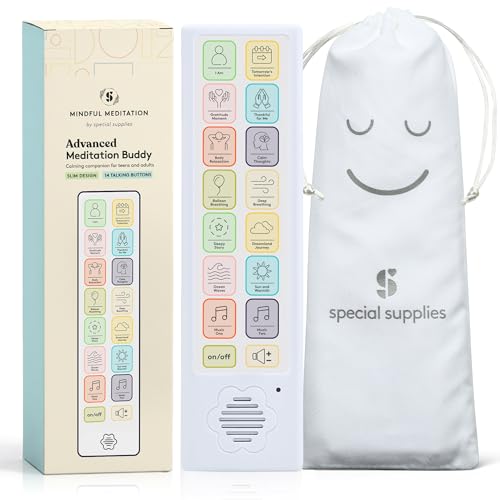
Special Supplies Meditation Buddy – Screen-Free Mindfulness & Breathing Device for Stress Relief, Daily Meditation, Anxiety Relief, Calm Focus & Emotional Balance for Kids and Adults (Adults)
Screen-Free Mindfulness Tool – Enjoy guided meditation, calm breathing, and daily mindfulness without apps, phones, or distractions. Perfect…
As an affiliate, we earn on qualifying purchases.
As an affiliate, we earn on qualifying purchases.
Conclusion
So, next time you find yourself overwhelmed by noise and chaos, ask yourself: are you giving your mind the rest it needs? Remember, taking small steps to quiet the overstimulation can make a big difference in your mental health. You deserve spaces that nurture and restore you, not drain you. Will you choose to prioritize your well-being and create moments of calm amid the chaos? Your mind will thank you for it.
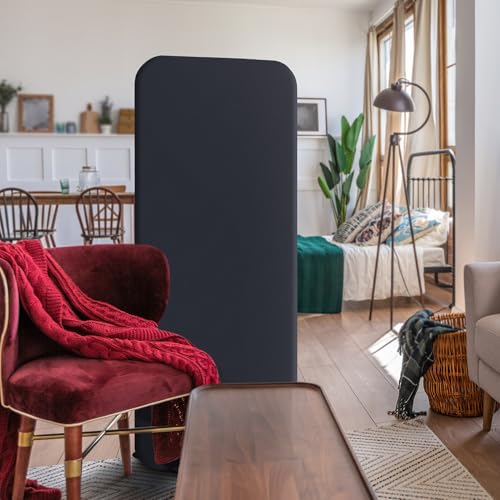
DECOLAB Standing Room Divider, Movable Space Partition Separator for Office, School, Living Space, Workspace, Scratch Resistance, 29"x65", Cobalt
EXPANDABLE DESIGN: Measures width 29”x height 65” per panel. Connect multiple panels using neodymium magnets (sold separately) for…
As an affiliate, we earn on qualifying purchases.
As an affiliate, we earn on qualifying purchases.
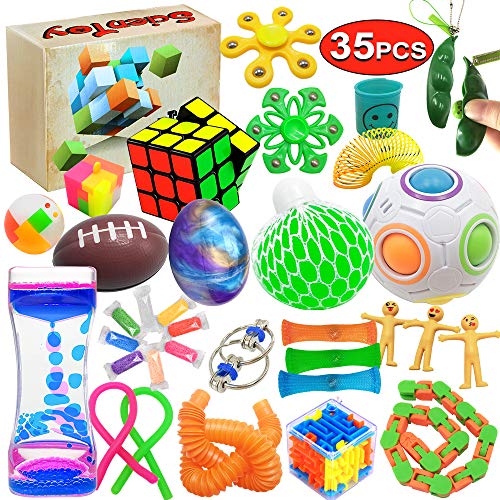
Scientoy Fidget Toy Set, 35 Pcs Sensory Toy for ADD, OCD, Autistic Children, Adults, Anxiety Autism to Stress Relief and Anti Anxiety with Motion Timer, Perfect for Classroom Reward with Gift Box
【Super-Value 35 Packed Fidget Toys】Scientoy sensory toy set includes 35 pcs of novelty toys with an update of…
As an affiliate, we earn on qualifying purchases.
As an affiliate, we earn on qualifying purchases.