
When sleeping in your vehicle, guarantee good ventilation by cracking windows slightly or running the A/C or heater to keep air flowing. Avoid idling too long and always park in safe, well-ventilated areas. Be mindful of carbon monoxide dangers and never leave a child unattended with the engine running. Proper maintenance of your exhaust system is essential. Staying aware of these safety tips helps protect everyone’s health, and more details can guide you further.
Key Takeaways
- Ensure proper ventilation by cracking windows slightly or using climate control to circulate fresh air during sleep.
- Never leave the engine running unattended, especially with a child inside, to prevent carbon monoxide buildup.
- Park in well-ventilated, safe areas away from exhaust leaks or external fumes that could enter the vehicle.
- Regularly maintain the vehicle’s exhaust system to reduce the risk of CO leaks while sleeping inside.
- Use approved sleeping arrangements and monitor temperature and comfort to create a safe, breathable environment for children.
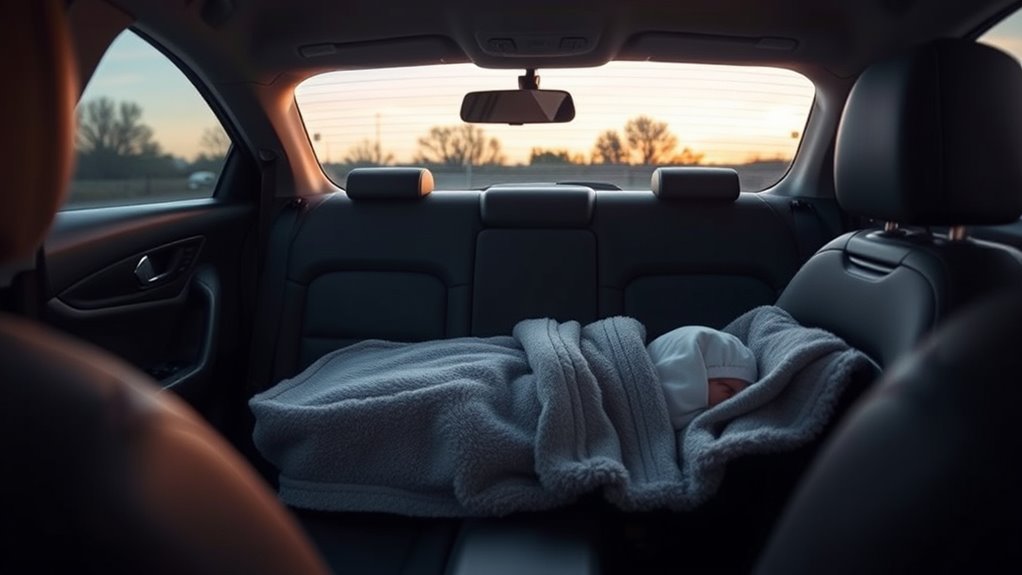
Have you ever wondered how to guarantee safe sleep for your child in a vehicle? Ensuring a safe sleep environment while traveling is vital, especially because many parents overlook the importance of proper ventilation and the risks associated with carbon monoxide (CO) buildup. Your primary goal should be to create a car safety setup that minimizes these hazards while providing a comfortable space for your little one. Though it might seem simple, the way your child sleeps in the car can greatly impact their safety and well-being.
First, focus on maintaining good ventilation inside the vehicle. A well-ventilated space helps prevent the buildup of harmful gases, particularly carbon monoxide, which can seep into the car if the engine runs or if there’s a leak in the exhaust system. Never leave your child unattended in a parked car with the engine running, especially in warm weather, as this can lead to dangerous CO concentrations. When the vehicle is stationary, crack a window slightly to allow fresh air to circulate. During longer trips, consider turning on the air conditioning or heater to keep the air moving without opening windows too wide, which could be a safety concern if your child tries to reach outside. Proper ventilation ensures the sleep environment remains safe, reducing the risk of CO exposure and keeping the air fresh and breathable.
Ensure proper ventilation by cracking windows or using A/C to prevent carbon monoxide buildup during car sleep.
Another important aspect is understanding the risks involved with sleeping in vehicles. Carbon monoxide is a silent threat, and it can enter the vehicle through exhaust leaks or if the engine runs in enclosed spaces. While the risk is lower when the car is turned off, it’s essential to never leave your child unattended for extended periods, especially if the engine is on or if you’re parked near sources of exhaust fumes. Always prioritize parking in safe, well-ventilated areas, and avoid idling the engine unnecessarily. Ensuring the vehicle’s exhaust system is well-maintained also contributes to a safer sleep environment. Regular checkups with a mechanic can help identify leaks or faults that might pose a risk.
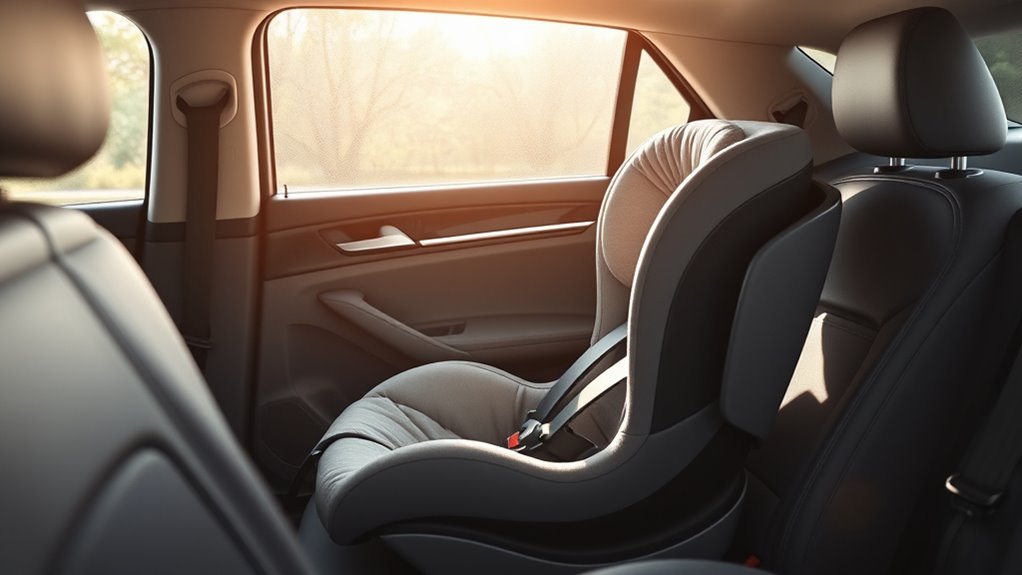
Additionally, consider the sleep environment in terms of comfort and safety. Make sure your child is in an approved car seat or sleeping arrangement that keeps them secure and upright if necessary. Never place your child in a seat that isn’t designed for sleeping or that can tip over easily. Keep the interior temperature comfortable, and avoid overdressing your child to prevent overheating. Using a breathable blanket can help regulate temperature, but always prioritize safety and comfort. It’s also advisable to be aware of local divorce statistics and regional resources if you’re navigating complex caregiving situations, as these can impact your overall planning and decision-making. By paying attention to these details, you’ll help create a sleep environment that’s not only cozy but also safe, minimizing risks related to ventilation and CO exposure during travel.

Window Visors Rain Guards for 2019-2026 Chevy Silverado/GMC Sierra 1500 Crew Cab, Out-Channel Window Vent Wind Deflectors Visors Shades for 20-26 Silverado/Sierra 2500HD 3500HD Crew Cab
【Perfect Fit】YQAUTEC Out-channel Window Visors Rain Guards Shield for 2019 2020 2021 2022 2023 2024 2025 2026 Chevrolet…
As an affiliate, we earn on qualifying purchases.
As an affiliate, we earn on qualifying purchases.
Frequently Asked Questions
How Long Can Someone Safely Sleep in a Vehicle With Proper Ventilation?
You can safely sleep in a vehicle with proper ventilation for about 1 to 2 hours, depending on ambient temperature and vehicle insulation. If it’s cold, the vehicle’s insulation helps retain heat, but prolonged sleep isn’t recommended. Make certain fresh air circulates regularly to prevent CO buildup, especially in colder environments. Always monitor the temperature and ventilation, and avoid sleeping longer than necessary for safety.
What Are the Early Signs of CO Poisoning During Vehicle Sleep?
If you’re sleeping in a vehicle, watch for early signs of CO poisoning, like headache, dizziness, nausea, or confusion. These carbon monoxide symptoms can develop quickly and are dangerous. To prevent poisoning, verify proper ventilation, never run the engine while sleeping, and install a CO detector. Recognizing these signs early helps you act fast, preventing severe health risks from carbon monoxide poisoning during vehicle sleep.
Does Vehicle Size or Type Affect Ventilation Effectiveness?
You might think a compact car offers better ventilation, but the vehicle’s interior design and airflow dynamics truly matter more. Larger vehicles with poor vent placement can trap CO, while smaller ones with strategic vents promote airflow, reducing risks. Vehicle size influences how air circulates, but it’s the design that determines ventilation effectiveness. Always guarantee proper ventilation, regardless of size, to keep CO risks at bay during sleep or rest inside your vehicle.
Are Certain Vehicle Models Safer for Sleeping Overnight?
Some vehicle models are safer for sleeping overnight due to better vehicle model safety features and thoughtful vehicle design considerations. Look for models with good ventilation options, sturdy construction, and safety ratings. Avoid older or poorly built vehicles that lack proper ventilation or safety features. By choosing a vehicle designed with safety in mind, you reduce risks related to ventilation and carbon monoxide while sleeping overnight.
How Often Should Ventilation Be Checked During Sleep in a Vehicle?
You should check your ventilation every 30 minutes, ensuring fresh air flows and air filtration remains effective. Keep an eye on noise levels too, as they can indicate changes in airflow or potential CO buildup. Regular checks help maintain a safe environment, preventing suffocation or poisoning. By staying vigilant, you protect yourself from hidden dangers, ensuring your sleep remains safe, secure, and comfortable throughout the night.

Pure Enrichment PureZone Mini Portable Air Purifier – Cordless True HEPA Filter Cleans Air & Eliminates 99.97% of Dust, Odors, & Allergens Close to You – Cars, School, & Office (Black)
PERSONAL AIR PURIFIER: Designed for small space use, this convenient, portable travel air purifier cleans 6ft² of air…
As an affiliate, we earn on qualifying purchases.
As an affiliate, we earn on qualifying purchases.
Conclusion
Ensuring safe sleep in vehicles is vital for your child’s well-being. Proper ventilation and awareness of carbon monoxide risks can prevent tragedies. Did you know that vehicle-related carbon monoxide poisoning causes over 100 deaths annually in the U.S.? Always crack a window and never leave a child unattended in a parked car. By staying vigilant and informed, you can protect your little one from silent dangers and provide a safer environment when they rest.

AutoLine Pro HyperSmoke™ Automotive Smoke Machine EVAP Vacuum Leak Tester – Adjustable Pressure – OEM Approved Smoke Fluid – Built-in Air Compressor Motor – Includes Cone and Gas Cap EVAP Adapter.
HyperSmoke Technology – Creates Thick Visible Smoke for Easy Leak Testing. Adjustable Pressure. Infinite Smoke. Instant Warmup. Built-In…
As an affiliate, we earn on qualifying purchases.
As an affiliate, we earn on qualifying purchases.

KidsEmbrace 2-in-1 Car Seat | Forward-Facing Harness (26.5–65 lbs) & Booster Mode (40–100 lbs) | Latch | Premium Fit with Multi-Position Headrest, Harness & Recline – Disney Cinderella (Blue)
5-POINT HARNESS SECURITY: Forward-facing seat with a strong 5-point harness system for children 26.5–65 lbs. and 29"–49" tall,…
As an affiliate, we earn on qualifying purchases.
As an affiliate, we earn on qualifying purchases.