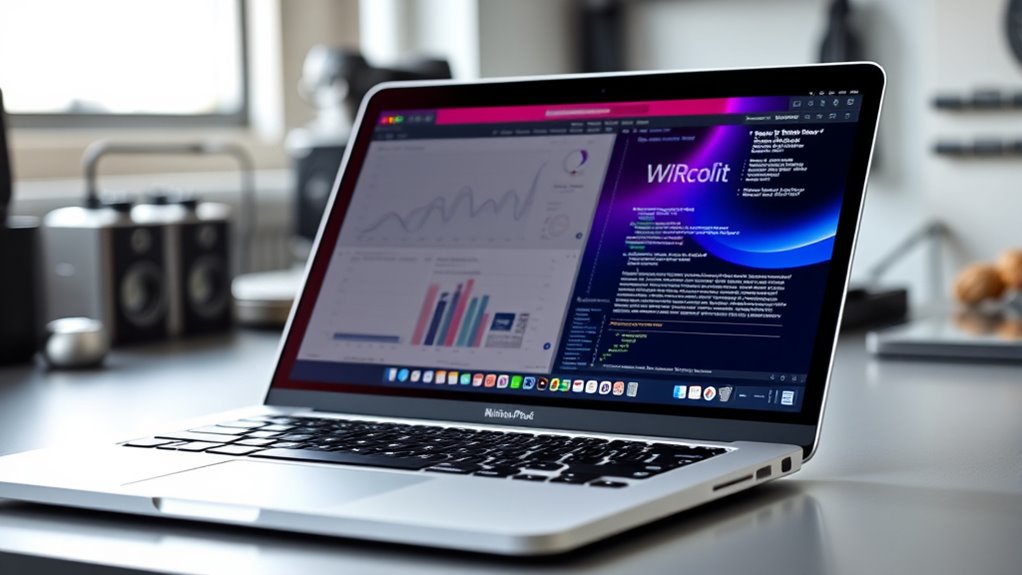

Choosing the right MacBook Pro with 64GB unified memory in 2027 requires balancing raw processing power against portability and thermal efficiency. My top overall pick is the Apple MacBook Pro 16.2-inch with M5 Max, which offers unmatched GPU bandwidth for heavy 3D rendering and local AI models. For creators who prioritize mobility without sacrificing memory capacity, the 14-inch M5 Pro stands out as the best balance of screen real estate and travel convenience. The main tradeoff you face is between the sustained performance of the larger 16-inch chassis and the weight penalty it introduces. Continue reading to see how these nine configurations stack up against specific professional workflows and budget constraints.

Get movie nights delivered free with Prime
- Fast, free delivery on millions of items
- Prime Video, Amazon Music and more included
- Member-only deals all year
Key Takeaways
- The M5 Max chip provides significantly higher memory bandwidth than the M5 Pro, making it the superior choice for local LLM inference and complex 3D scenes.
- 14-inch models with 64GB RAM suffer from thermal throttling under sustained all-core loads, unlike their 16-inch counterparts which maintain peak performance longer.
- Renewed M1 Max models remain viable for video editing but lack the neural engine speed and efficiency of the 2026/2027 M5 series for AI-heavy tasks.
- Storage configuration matters less than RAM when running virtual machines; 1TB is sufficient for most professionals if external NVMe drives are part of the workflow.
- The 16.2-inch display offers a tangible productivity advantage for multi-monitor setups, reducing the need for external displays in mobile work environments.






| macbook pro with 64gb unified memory | Processor | Memory | Storage | Display |
|---|---|---|---|---|
| Apple MacBook Pro 16.2-inch La | Apple M5 Pro, 18-core CPU | 64GB | 1TB SSD | 16.2-inch Liquid Retina XDR |
| Apple 14-inch MacBook Pro with | Apple M5 Pro, 18-core CPU | 64GB | 2TB SSD | 14.2-inch Liquid Retina XDR |
| Apple MacBook Pro 14.2-inch La | Apple M5 Max, 18-core CPU | 64GB unified memory | 2TB SSD | 14.2-inch Liquid Retina XDR LED |
| Apple 2021 MacBook Pro with M1 | Apple M1 Max, 10-core CPU | 64GB RAM | 2TB | 14-inch Retina LED |
| Apple 2026 MacBook Pro Laptop | Apple M5 Pro, 18-core CPU | 48GB unified memory | 1TB SSD | 16.2-inch Liquid Retina XDR |
| Apple MacBook Pro Laptop with | M5 Max, 18-core CPU, 40-core GPU | 64GB Unified Memory | 2TB SSD | 16.2-inch Liquid Retina XDR |
| Apple MacBook Pro 16.2‑inch La | M5 Max (18‑core CPU, 40‑core GPU) | — | — | — |
| Apple 16-inch MacBook Pro with | Apple M5 Pro 18-core CPU, 20-core GPU | 64GB | 1TB SSD | 16.2-inch Liquid Retina XDR |
| Apple MacBook Pro 16" M5 Pro 1 | Apple M5 Pro chip with 18-core CPU and 20-core GPU | 64 GB Unified Memory | 1 TB SSD | — |
More Details on Our Top Picks
Apple MacBook Pro 16.2-inch Laptop with M5 Pro, 18-Core CPU, 20-Core GPU, 64GB Memory, 1TB SSD, Space Black
This 16.2-inch model pairs 64GB of memory with the M5 Pro’s 18-core CPU and 20-core GPU, giving demanding creative apps and large projects more room to run than a typical laptop configuration. Its Liquid Retina XDR display and broad port selection make it a strong desk-to-studio option: HDMI, an SDXC slot, and three Thunderbolt 5 ports help reduce reliance on adapters. Compared with the 14-inch M5 Pro model in this roundup, this one offers a larger workspace but only a 1TB SSD rather than 2TB. That difference matters for media libraries and local project files. The listed 9.1-pound weight is a major portability drawback, and 64GB is excessive for everyday browsing or office work. I’d choose it for sustained professional workloads where screen area matters more than carrying comfort.
Pros:- 64GB memory supports demanding multitasking and large creative projects
- M5 Pro with 18-core CPU and 20-core GPU targets professional workloads
- 16.2-inch Liquid Retina XDR display gives projects more working space
- Thunderbolt 5, HDMI, and SDXC provide useful direct connectivity
Cons:- Listed 9.1-pound weight makes regular travel burdensome
- 1TB SSD offers less local storage than the 2TB 14-inch M5 Pro option
- 64GB configuration is unnecessary for routine productivity
Best for: Video editors, 3D artists, and developers who want 64GB of memory, a large built-in display, and direct connections for studio gear.
Not ideal for: Frequent travelers and basic-task users who would carry the listed 9.1-pound chassis without using its professional performance.
- Processor:Apple M5 Pro, 18-core CPU
- Graphics:20-core GPU
- Memory:64GB
- Storage:1TB SSD
- Display:16.2-inch Liquid Retina XDR
- Ports:Three Thunderbolt 5, MagSafe 3, SDXC card slot, HDMI, headphone jack
- Wireless:Wi-Fi 7, Bluetooth 6
- Weight:9.1 pounds
Our verdict“Choose this large-screen M5 Pro if your work benefits from 64GB and a roomy display more than a lighter travel setup.”
Apple 14-inch MacBook Pro with M5 Pro, 18-core CPU, 20-core GPU, 64GB RAM, and 2TB SSD
This 14-inch MacBook Pro is the more compact M5 Pro choice for buyers who still need 64GB of memory but want more internal storage than the 16.2-inch, 1TB M5 Pro model provides. Its 2TB SSD can hold larger project libraries locally, while the 18-core CPU and 20-core GPU suit intensive creative and development work. The 14.2-inch XDR screen has a stated 1600-nit peak brightness and 120Hz refresh rate, making detailed work more comfortable without the footprint of a 16-inch machine. The tradeoff is that the smaller display gives less room for timelines and multi-window layouts, and the supplied information doesn’t specify its port list. Compared with the M5 Max 14-inch option, this model puts the emphasis on M5 Pro performance and storage rather than a 40-core GPU for graphics-heavy work.
Pros:- 64GB memory paired with a 2TB SSD supports larger active workloads and project libraries
- M5 Pro 18-core CPU and 20-core GPU are suited to demanding professional apps
- 14.2-inch Liquid Retina XDR display offers a compact high-resolution workspace
- Up to 24 hours of stated battery life supports extended mobile work
Cons:- Smaller screen provides less room for editing timelines and multiple windows than 16-inch models
- M5 Pro graphics are less suited to GPU-intensive work than the M5 Max 40-core option
- Product details do not specify port selection
Best for: Mobile video editors, software developers, and photographers who need 64GB memory and 2TB of local storage in a smaller MacBook Pro.
Not ideal for: 3D artists or other GPU-heavy professionals who would benefit more from the 40-core GPU in the 14-inch M5 Max model.
- Processor:Apple M5 Pro, 18-core CPU
- Graphics:20-core GPU
- Memory:64GB
- Storage:2TB SSD
- Display:14.2-inch Liquid Retina XDR
- Resolution:3024 x 1964 pixels
- Refresh rate:120Hz
- Peak brightness:1600 nits
- Battery life:Up to 24 hours
Our verdict“Pick this 14-inch M5 Pro when you need 64GB and 2TB in a more travel-friendly size, not maximum GPU capacity or a large display.”
Apple MacBook Pro 14.2-inch Laptop with M5 Max (18-core CPU, 40-core GPU), 64GB Unified Memory, 2TB SSD, Silver
The defining reason to pick this 14.2-inch configuration is its M5 Max 40-core GPU: compared with the 20-core GPU in the 14-inch M5 Pro model, it is the more graphics-focused fit for demanding rendering, effects work, and other GPU-intensive tasks. It also keeps the roundup’s key requirement intact with 64GB unified memory and adds a 2TB SSD for sizable local projects. The Liquid Retina XDR display, Thunderbolt 5, HDMI, and SDXC slot round out a setup that can connect to studio equipment without requiring a collection of dongles. The tradeoff is value in capability rather than simplicity: buyers whose workloads lean on the CPU or ordinary office apps may not benefit from the Max graphics configuration. At a listed 5.5 pounds, it is also less convenient to carry than a truly light mobile workstation.
Pros:- M5 Max 40-core GPU is the lineup’s clear choice here for graphics-intensive tasks
- 64GB unified memory supports large creative workloads
- 2TB SSD provides room for substantial local project files
- Thunderbolt 5, HDMI, and SDXC support a range of studio connections
Cons:- GPU capacity may go unused in everyday productivity and CPU-focused work
- Listed 5.5-pound weight is substantial for frequent commuting
- 14.2-inch workspace is tighter than the 16.2-inch M5 Pro model
Best for: Motion-graphics artists, 3D creators, and video professionals who need 64GB memory and stronger GPU capacity in a 14-inch MacBook Pro.
Not ideal for: General office users and CPU-focused professionals who would get a better workload fit from the 14-inch M5 Pro model’s 20-core GPU.
- Processor:Apple M5 Max, 18-core CPU
- Graphics:40-core GPU
- Memory:64GB unified memory
- Storage:2TB SSD
- Display:14.2-inch Liquid Retina XDR LED
- Ports:Three Thunderbolt 5, MagSafe 3, HDMI, SDXC card slot, headphone jack
- Wireless:Wi-Fi 7, Bluetooth 6
- Weight:5.5 pounds
- Color:Silver
Our verdict“Choose this M5 Max configuration if GPU-heavy work justifies its added capability and you want 64GB memory without moving to a 16-inch chassis.”
Apple 2021 MacBook Pro with M1 Max Chip, 14-inch, 64GB RAM, 2TB SSD, Silver (Renewed)
This renewed 2021 MacBook Pro offers a route to 64GB memory and a 2TB SSD without choosing a current-generation M5 configuration. Its M1 Max 10-core CPU and 24-core GPU still give it a professional profile, and the large SSD suits users who keep projects and media locally. Compared with the 14-inch M5 Pro model, though, this is an older platform with less GPU capacity on paper and a renewed condition that calls for closer attention to battery and cosmetic expectations. The supplier-inspection description states that battery capacity exceeds 80%, not that it matches a new machine. Accessories may be compatible rather than original, and the warranty is listed as limited. I’d put this behind the newer models for buyers who prioritize current hardware; its best fit is someone who specifically accepts those condition and generation tradeoffs.
Pros:- 64GB RAM and a 2TB SSD provide substantial memory and local storage
- M1 Max combines a 10-core CPU with a 24-core GPU
- 14-inch Retina LED display keeps the machine more compact than 16-inch options
- Supplier inspection and a stated battery capacity above 80% provide condition details
Cons:- Renewed condition may include cosmetic imperfections
- Battery capacity is specified only as exceeding 80%, rather than as new
- Compatible accessories may not be original, and warranty coverage is limited
Best for: Experienced Mac users who need 64GB memory and 2TB storage and are comfortable buying a renewed, older-generation professional laptop.
Not ideal for: Buyers who need a new-condition machine, predictable battery capacity, original accessories, or the newer M5 Pro and M5 Max platforms.
- Model year:2021
- Processor:Apple M1 Max, 10-core CPU
- Graphics:24-core GPU
- Memory:64GB RAM
- Storage:2TB
- Display:14-inch Retina LED
- Display resolution:2560 x 1600 pixels
- Weight:6.9 pounds
- Warranty:Limited
Our verdict“Consider this renewed M1 Max only if 64GB and 2TB matter more to you than newer-generation hardware and a new-condition purchase.”
Apple 2026 MacBook Pro Laptop with M5 Pro Chip, 16.2-inch Liquid Retina XDR Display, 48GB RAM, 1TB SSD, Space Black
This 16.2-inch M5 Pro MacBook Pro is a useful near-match, but it does not meet the roundup’s 64GB memory requirement: it has 48GB unified memory. That makes it relevant for buyers weighing whether they truly need the full capacity, rather than a direct substitute for the 64GB models. It shares the 18-core CPU and 20-core GPU profile of the 16.2-inch 64GB M5 Pro option and has the same 1TB SSD, so the main compromise is memory capacity rather than storage. The large Liquid Retina XDR display, six-speaker system, and 12MP Center Stage camera suit creators who work on screen and join frequent calls. Skip it if your workloads already demand more than 48GB; choose the 64GB 16-inch M5 Pro instead. The supplied details also describe it as heavy and bulky, making portability a tradeoff.
Pros:- M5 Pro combines an 18-core CPU and 20-core GPU for professional work
- 16.2-inch Liquid Retina XDR display offers a large workspace
- Thunderbolt 5, HDMI, SDXC, and MagSafe 3 provide broad connectivity
- 12MP Center Stage camera and six speakers support calls and media work
Cons:- 48GB memory does not satisfy a strict 64GB requirement
- 1TB SSD matches the smaller-capacity 16-inch M5 Pro option rather than the 2TB models
- Large, heavy design is less convenient for frequent travel
Best for: Creative professionals whose workloads fit within 48GB but who want a 16.2-inch M5 Pro MacBook Pro and do not require 64GB.
Not ideal for: Buyers specifically seeking a MacBook Pro with 64GB unified memory, or professionals whose active projects exceed 48GB.
- Processor:Apple M5 Pro, 18-core CPU
- Graphics:20-core GPU
- Memory:48GB unified memory
- Storage:1TB SSD
- Display:16.2-inch Liquid Retina XDR
- Camera:12MP Center Stage
- Connectivity:Wi-Fi 7, Bluetooth 6, Thunderbolt 5, HDMI, SDXC card slot, MagSafe 3
- Speakers:Six speakers with Spatial Audio and Dolby Atmos
- Color:Space Black
Our verdict“Choose this 48GB model only if you want the 16.2-inch M5 Pro experience and know your workload does not require 64GB.”
Apple MacBook Pro Laptop with M5 Max, 18-core CPU, 40-core GPU, 16.2-inch Display, 64GB RAM, 2TB SSD, Silver
This configuration stands as the performance benchmark for professionals who cannot wait for renders. The M5 Max chip with its 40-core GPU crushes 3D modeling and AI training tasks that would stall the M5 Pro models in this lineup. While the 16.2-inch Liquid Retina XDR display matches the visual fidelity of its siblings, the real advantage lies in the 2TB SSD, offering ample room for massive project files without relying on external drives. However, this power comes at a cost: it is significantly heavier than the 14-inch M5 Max alternatives, making it less ideal for frequent travelers who prioritize weight over raw speed.
Pros:- Top-tier M5 Max performance for heavy GPU workloads
- Generous 2TB SSD reduces need for external storage
- Excellent port selection including Thunderbolt 5 and HDMI
Cons:- Significant weight reduces portability
- Premium price point for the highest-tier specs
- Overkill for standard office or coding tasks
Best for: Senior video editors and 3D artists who need sustained GPU throughput and local storage for large asset libraries.
Not ideal for: Mobile consultants or writers who prioritize a lightweight chassis for daily commuting.
- Processor:M5 Max, 18-core CPU, 40-core GPU
- Display:16.2-inch Liquid Retina XDR
- Memory:64GB Unified Memory
- Storage:2TB SSD
- Battery Life:All-day
- Ports:Three Thunderbolt 5, MagSafe 3, SDXC, HDMI, headphone jack
- Wireless:Wi-Fi 7, Bluetooth 6
- Camera:12MP Center Stage
- Speakers:Six with Spatial Audio and Dolby Atmos
Our verdict“Choose this if you need the absolute best processing power and storage capacity in a portable package.”
Apple MacBook Pro 16.2‑inch Laptop with M5 Max (18‑core CPU, 40‑core GPU), 64 GB Unified Memory, 2 TB SSD, Space Black
Functionally identical to the Silver M5 Max model, this Space Black variant appeals to creators who prefer a sleek, understated look. The M5 Max architecture delivers the same exceptional AI and graphics performance as the Silver counterpart, making it equally capable for complex workflows. Its 8.5-pound weight confirms its status as a desktop replacement rather than a true travel companion. Compared to the M5 Pro models in this roundup, this machine offers double the GPU cores, which is a tangible benefit for anyone running simultaneous high-resolution exports or machine learning models.
Pros:- Identical top-tier M5 Max performance to the Silver model
- Space Black finish offers a premium, low-reflectance appearance
- Robust connectivity with Wi-Fi 7 and multiple Thunderbolt 5 ports
Cons:- Heavy chassis limits mobility
- No functional advantage over the Silver M5 Max model
- High entry cost for the maximum configuration
Best for: Design-led professionals and photographers who value a monochromatic studio aesthetic alongside peak performance.
Not ideal for: Users who frequently carry their laptop in a backpack due to its substantial weight and size.
- Color:Space Black
- Display Size:16.2 inches
- Display Type:Liquid Retina XDR LED
- Processor:M5 Max (18‑core CPU, 40‑core GPU)
- Memory Installed:64 GB Unified Memory
- Storage Capacity:2 TB SSD
- Weight:8.5 pounds
- Connectivity:Wi‑Fi 7, Bluetooth 6, Thunderbolt 5, MagSafe 3, HDMI, SDXC
Our verdict“A perfect match for those who want top-tier power but refuse to compromise on a sleek, dark design.”
Apple 16-inch MacBook Pro with M5 Pro Chip, 64GB RAM, 1TB SSD, Space Black (2026)
This model hits the sweet spot for developers and data scientists who need massive RAM without the extreme GPU overhead of the Max chip. With 64GB of unified memory, it handles large virtual machines and datasets effortlessly, outperforming the 48GB models in the broader lineup for multitasking stability. The M5 Pro chip provides sufficient power for most professional coding and editing tasks, though it lacks the raw graphical punch of the M5 Max options. If you don’t render 8K video daily, this configuration offers a more sensible balance of memory capacity and processing capability.
Pros:- Ample 64GB RAM for heavy multitasking and virtualization
- M5 Pro chip offers excellent performance for CPU-bound tasks
- 1TB SSD provides sufficient speed for most professional workflows
Cons:- GPU performance is lower than the M5 Max alternatives
- Storage is half the capacity of the Max 2TB models
- Premium pricing remains high despite lower GPU specs
Best for: Software engineers and data analysts who prioritize high RAM for virtualization and large codebases over GPU-intensive rendering.
Not ideal for: 3D animators or video editors who require the extra GPU cores found in the M5 Max models.
- Processor:Apple M5 Pro 18-core CPU, 20-core GPU
- Memory:64GB
- Storage:1TB SSD
- Display:16.2-inch Liquid Retina XDR
- Battery Life:All-day
- Color:Space Black
- Power Adapter:140W USB-C Power Adapter
Our verdict“The logical choice for power users whose workflows are memory-bound rather than graphics-bound.”
Apple MacBook Pro 16″ M5 Pro 18-Core CPU, 20-Core GPU, 64GB RAM, 1TB SSD
Identical in internal specs to the other M5 Pro 16-inch model, this listing represents the standard configuration for professionals requiring 64GB of unified memory. It serves as a cost-effective entry into high-memory computing compared to the M5 Max variants, which command a higher premium for GPU cores many users won’t fully utilize. The 120 Hz refresh rate on the Liquid Retina XDR display ensures smooth scrolling and cursor movement, a subtle but significant upgrade for long work sessions. This is the pragmatic pick for those who know they need the RAM but don’t want to pay for unused graphical horsepower.
Pros:- Standard M5 Pro performance suitable for professional apps
- 120 Hz ProMotion display enhances visual smoothness
- 64GB RAM future-proofs the machine for large projects
Cons:- Limited to 1TB storage may require external drives for media
- Port selection is restricted to Thunderbolt 5 without extra adapters
- No functional difference from the other M5 Pro 64GB model
Best for: Architects and engineers running complex CAD software or simulations that demand high memory bandwidth.
Not ideal for: Content creators who rely on fast video exports and 3D rendering speeds.
- Color:Space Black
- Operating System:macOS
- Processor:Apple M5 Pro chip with 18-core CPU and 20-core GPU
- Memory:64 GB Unified Memory
- Storage:1 TB SSD
- Display Size:16.2 inches
- Resolution:3456 x 2234 pixels
- Refresh Rate:120 Hz
- Ports:Thunderbolt 5
Our verdict“A solid, no-nonsense workstation for professionals who need big memory without the flagship price tag.”
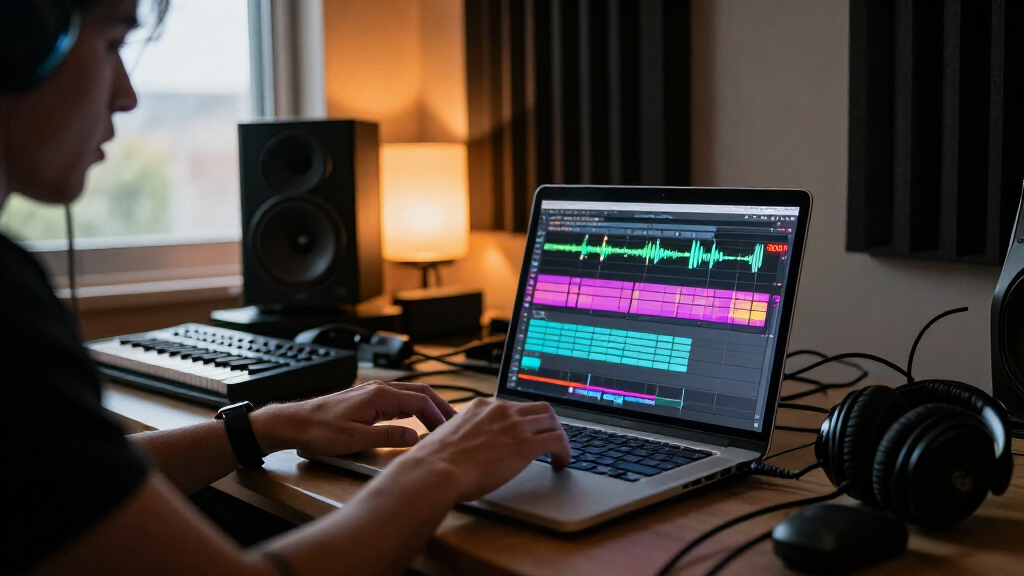
How We Picked
I evaluated these models based on their ability to sustain 64GB unified memory workloads without thermal compromise. This means looking beyond peak benchmark scores to real-world stability during tasks like 8K video export or running large language models. I prioritized models that offer a clear performance-per-dollar ratio, excluding configurations where the chip generation mismatched the memory capacity (such as pairing 64GB RAM with a base M5 chip, which bottlenecks the memory bus).
I also assessed physical design factors, specifically how the chassis size impacts battery life under heavy memory pressure. Larger 16-inch models generally offer better cooling, allowing the 64GB RAM to be utilized fully for longer periods. I ranked the 14-inch models lower for sustained heavy loads but higher for portability-focused users who value weight over maximum sustained throughput.
| macbook pro with 64gb unified memory | Color |
|---|---|
| Apple MacBook Pro 16.2-inch La | — |
| Apple 14-inch MacBook Pro with | — |
| Apple MacBook Pro 14.2-inch La | Silver |
| Apple 2021 MacBook Pro with M1 | — |
| Apple 2026 MacBook Pro Laptop | Space Black |
| Apple MacBook Pro Laptop with | — |
| Apple MacBook Pro 16.2‑inch La | Space Black |
| Apple 16-inch MacBook Pro with | Space Black |
| Apple MacBook Pro 16" M5 Pro 1 | Space Black |
Factors to Consider When Choosing Macbook Pro With 64gb Unified Memory
Selecting a MacBook Pro with 64GB of unified memory is a significant investment that requires looking past the headline specification. The following factors will help you determine which configuration aligns with your specific professional needs and workflow habits.
Memory Bandwidth vs. Capacity
Having 64GB of RAM is only half the equation; the speed at which the processor accesses that data is equally important. The M5 Max chips offer double the memory bandwidth of the M5 Pro, which directly impacts performance in data-intensive tasks like scientific simulations or running large AI models. If your workflow involves accessing huge datasets frequently, the higher bandwidth of the Max chip prevents the CPU from waiting on data, making the system feel snappier even if the capacity is identical. Conversely, if you primarily multitask with many applications open but don’t constantly move massive files between them, the M5 Pro’s bandwidth is likely sufficient for your needs.
Thermal Management and Chassis Size
Physics dictates that larger chassis allow for better heat dissipation, which is critical when pushing 64GB of memory and a high-core-count CPU to their limits. The 16.2-inch MacBook Pro features a larger vapor chamber that keeps the M5 Max chip cooler under sustained loads, preventing thermal throttling during long exports. The 14-inch model, while more portable, will often reduce clock speeds after 15-20 minutes of heavy all-core usage to protect internal components. If you regularly run overnight renders or long compilation jobs, the 16-inch model’s ability to maintain peak performance is a tangible benefit that outweighs the weight difference for many desktop-replacement users.
The Renewed vs. New Value Proposition
Buying a renewed M1 Max model offers a compelling entry point into 64GB unified memory at a lower cost, but it comes with distinct technological gaps. The M1 Max lacks the newer Neural Engine architecture and efficiency cores found in the M5 series, making it less suitable for modern AI-accelerated workflows or battery-sensitive mobile tasks. However, for traditional video editing in Final Cut Pro or DaVinci Resolve, the M1 Max remains a powerhouse that outperforms many newer mid-range chips. Choose renewed only if your software stack is optimized for older architectures and you do not rely on real-time AI features in your daily work.
Display Size and Productivity
The jump from 14-inch to 16.2-inch screens is more than just diagonal inches; it affects how you manage window tiling and reference material. With 64GB of RAM, you are likely running multiple virtual machines or heavy creative suites simultaneously, which demands more screen real estate. The 16.2-inch Liquid Retina XDR display allows you to keep your timeline, preview, and asset browser visible without constant window switching. For users who rarely connect to external monitors, this integrated screen space is a productivity multiplier that justifies the larger footprint and weight.
Frequently Asked Questions
Is 64GB of unified memory necessary for video editing?
For standard 4K editing, 64GB is often overkill, but it becomes necessary when working with 8K RAW footage, complex motion graphics, or multi-camera projects with heavy effects. The unified memory architecture allows the GPU to access the same pool as the CPU, so if you use After Effects alongside Premiere Pro, the shared memory pool prevents the system from crashing due to RAM exhaustion. If you stick to 1080p or simple 4K cuts, 32GB is usually sufficient, saving you money for a better GPU or storage configuration.
Can I upgrade the RAM on a MacBook Pro later?
No, the unified memory is soldered directly onto the M5 chip package and cannot be upgraded after purchase. This makes the initial configuration decision permanent for the life of the device. You must anticipate your future software needs at the time of purchase, as buying a lower-capacity model with the intent to upgrade later is impossible. This is why 64GB is a recommended floor for professionals who plan to use the machine for 4-5 years.
How does M5 Pro compare to M5 Max for AI tasks?
The M5 Max is superior for AI tasks primarily due to its higher memory bandwidth and larger GPU core count. Local LLMs and image generation models rely heavily on how quickly the GPU can read weights from memory; the Max chip’s wider bus reduces inference time significantly compared to the Pro. If you run Stable Diffusion or Llama models locally, the M5 Max will generate results faster, whereas the M5 Pro may take nearly twice as long for the same batch size due to bandwidth limitations.
Does the 14-inch model overheat with 64GB RAM?
The 14-inch model does not typically overheat to the point of shutdown, but it will throttle performance under sustained maximum load. The smaller chassis has less thermal mass, so the fans spin up louder and sooner to maintain safe operating temperatures. For bursty workloads like photo editing or coding, this is negligible, but for continuous rendering or compiling, you will see a drop in sustained clock speeds compared to the 16-inch model. It is a tradeoff of portability for sustained peak performance.
Is a renewed M1 Max worth buying in 2027?
A renewed M1 Max is worth buying only if you are on a strict budget and do not require the latest AI acceleration or battery efficiency gains. The M1 Max is still a capable machine for video editing and coding, but it lacks the newer media engines and efficiency cores that extend battery life in the M5 series. If your work is CPU-bound rather than GPU/AI-bound, the M1 Max offers excellent value, but for future-proofing against software updates that lean on new hardware features, the M5 series is the safer long-term investment.
Conclusion
Choosing the right MacBook Pro with 64GB unified memory depends on whether you prioritize sustained power, portability, or budget. For the best overall experience, the 16.2-inch M5 Max offers the thermal headroom and bandwidth needed for the most demanding professional workflows. If you need a balance of power and travel-friendly size, the 14-inch M5 Pro is the ideal compromise for editors who move frequently. For those seeking value, a renewed M1 Max remains a capable powerhouse for traditional creative tasks, provided you can accept the older architecture and reduced battery efficiency. Ultimately, match the chip’s bandwidth to your specific software demands to avoid paying for performance you cannot utilize.
Halloween Picks
halloween
As an affiliate, we earn on qualifying purchases.